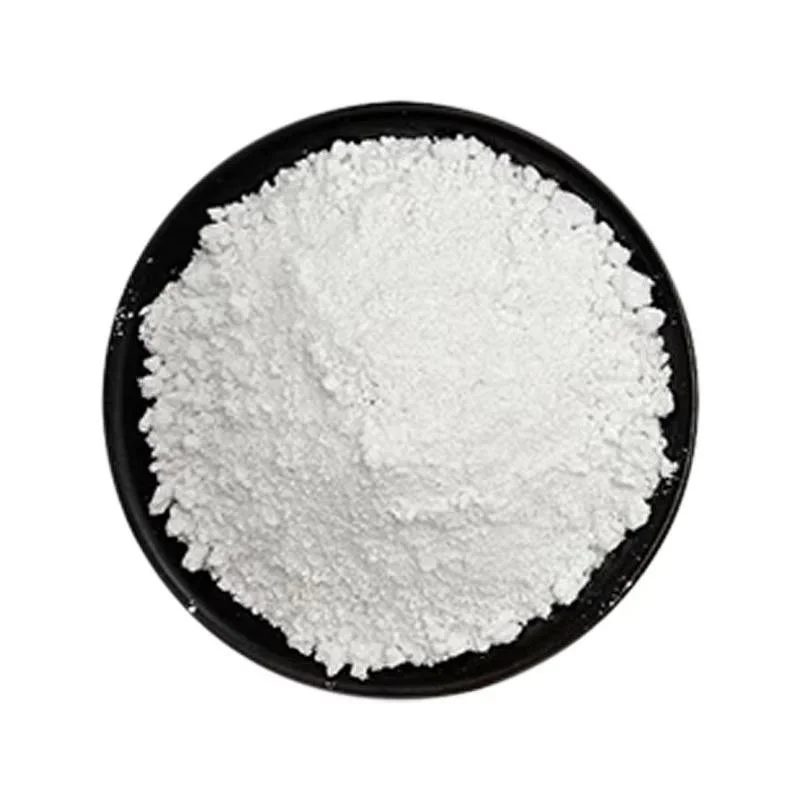
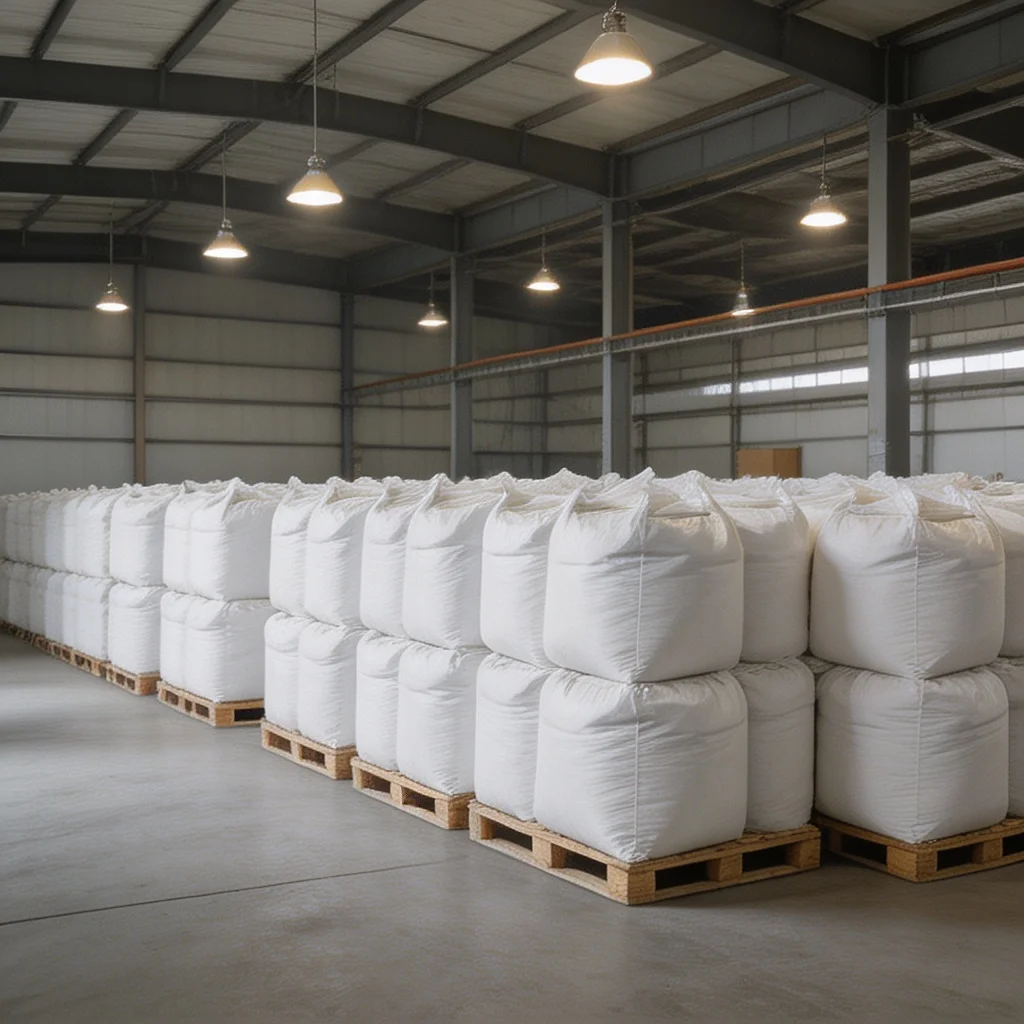
PCC Precipitated Calcium Carbonate CaCO3 White Superfine Powder, 96%, for Papermaking and Paint Enquiries
-
ColorWhitePhysical formPowder
-
CAS No.471-34-1Purity96%
-
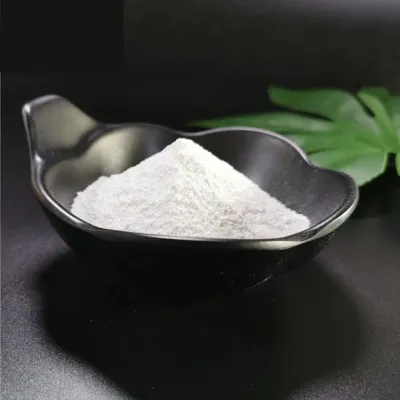
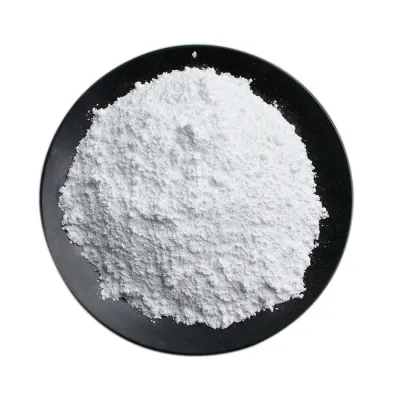
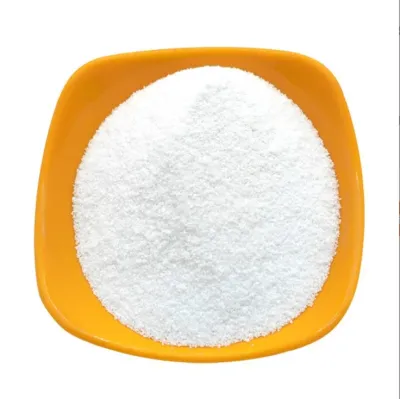
Appearancewhite superfine powerApplicationPaint, Plastic, Rubber, Paper Making, Building
-
ClassificationCarbonateEINECS No.207-439-9
-
Grade StandardIndustrial GradeMolecular FormulaCaCO3
-
Other Nameslight Calcium CarbonateTypeCalcium Carbonate
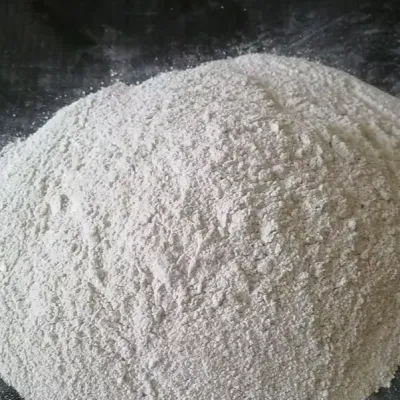
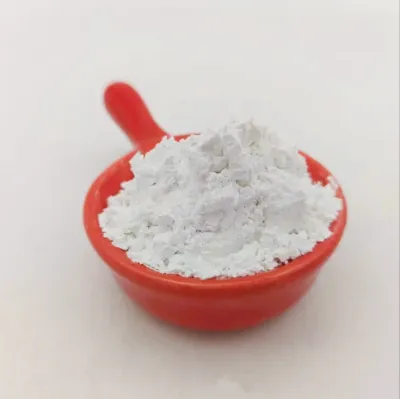
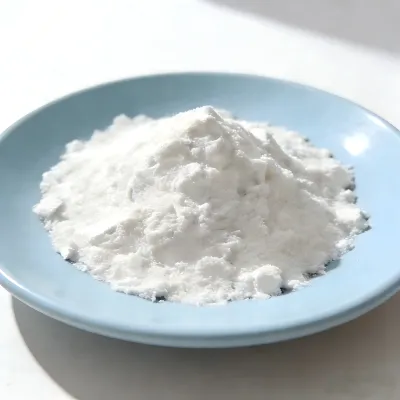
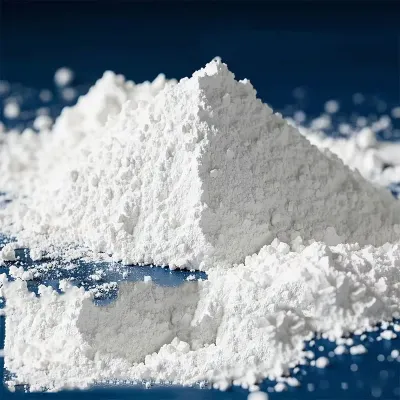
Papermaking comparisons need a material sample and a clearly stated process target. This precipitated calcium carbonate, also named light calcium carbonate, is an industrial white superfine powder with formula CaCO3 and stated purity of 96%.
Define the papermaking duty for the carbonate
Describe the paper process and the acceptance measurements that matter to the intended product. Ask which current particle, moisture and optical records are available for the sample being considered.
The white appearance does not establish a measured brightness result or behaviour in the paper process. Those requirements need the relevant test methods and an assessment using the actual material.
Review what premium and standard identify
Premium product and standard product are the actual model labels. Request a technical specification associated with each one instead of interpreting the names as a demonstrated performance ranking.
Keep the analytical basis consistent when comparing the samples. The 96% purity designation supplies neither a mesh size nor the physical differences between those two choices.
Test paint and other formulations separately
For paint, identify the binder and the appearance or processing criteria to be assessed. A paper-process result does not establish the offered PCC grade's acceptance in that coating system.
- Paper comparison
- Link the chosen sample to the agreed paper-process measurements.
- Paint comparison
- Review the relevant binder trial and grade-linked physical evidence.
Plastic, rubber and building materials are also named contexts, and each needs its own qualification. Request actual treatment and preparation information where required, without assuming an activated grade or a universal replacement ratio.