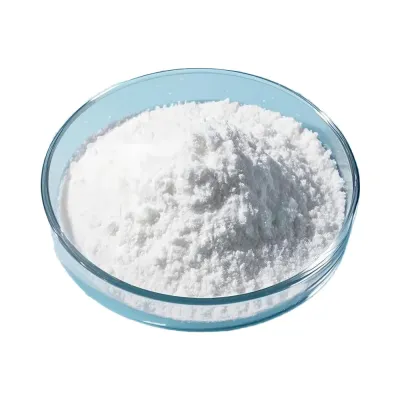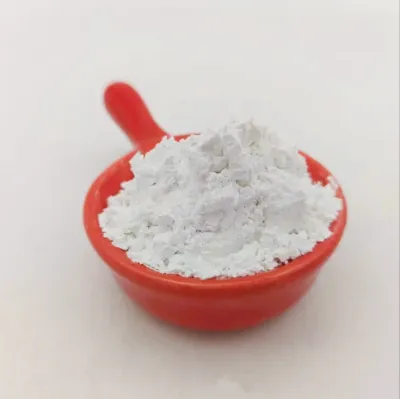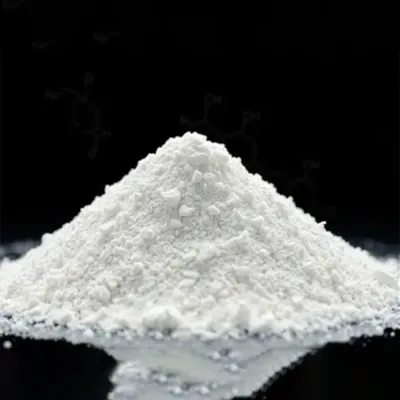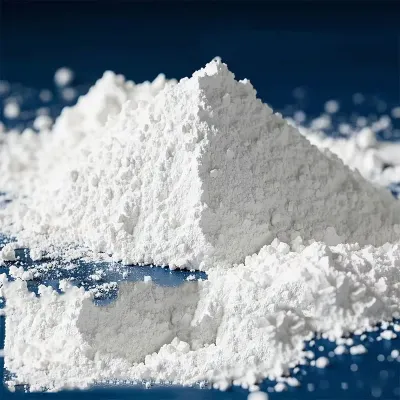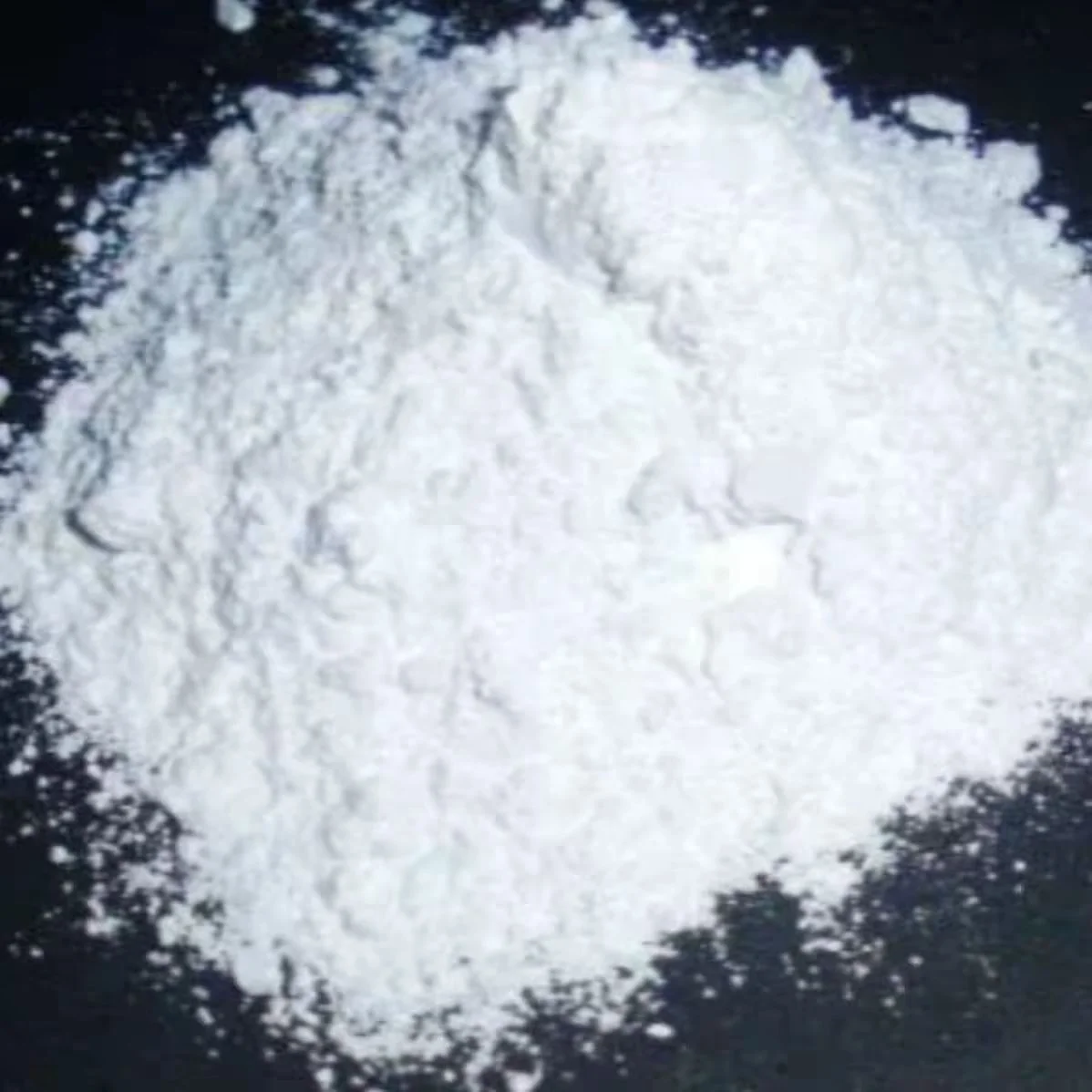
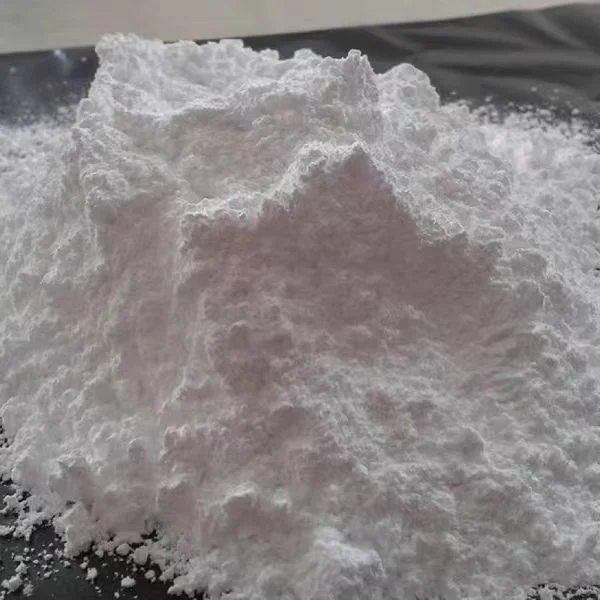

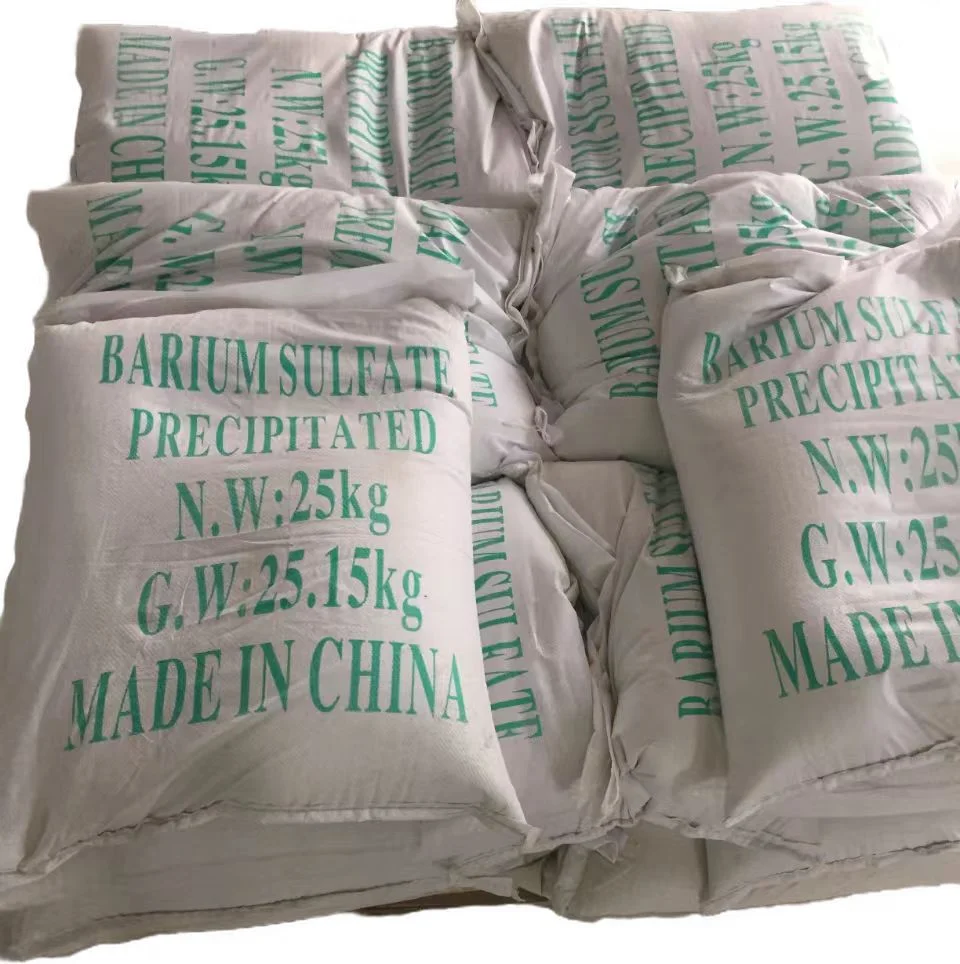
Barium Sulfate BaSO4 86%-88% Powder for Engineering Plastics Dispersion and Gloss Trials
-
ColorWhitePhysical formPowder
-
CAS No.7727-43-7Purity86%-88%
-
Appearancewhite powderApplicationfor Engineering Plastics
-
ClassificationSulphateEINECS No.231-784-4
-
Grade StandardIndustrial GradeMolecular FormulaBaSO4
-
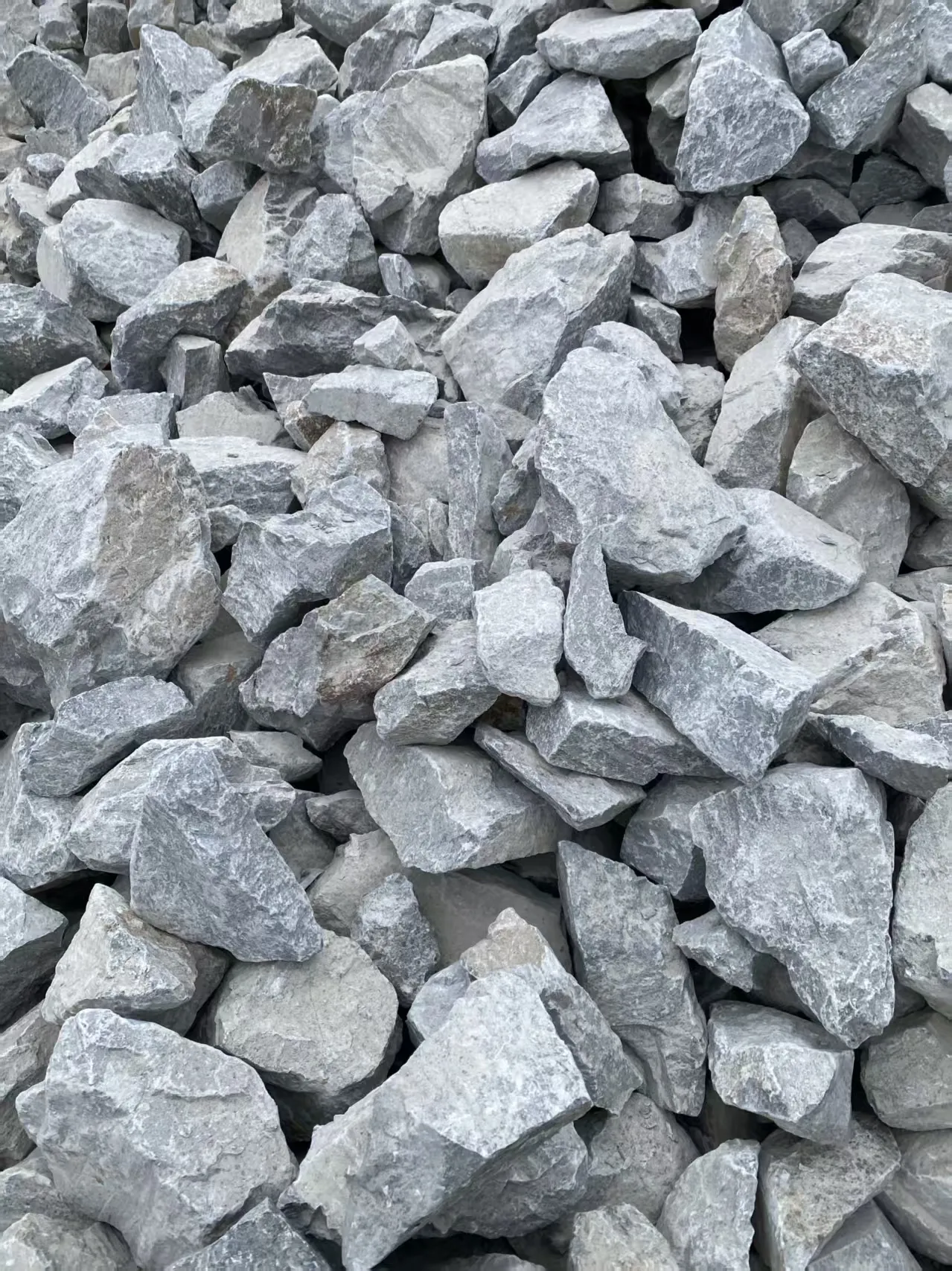
Other NamesbariteTypeBarium Sulfate
An engineering-plastic comparison should state the resin and finished-material target before selecting a mineral sample. This industrial barium sulfate white powder has a stated 86%-88% purity range. It provides a raw-material candidate for trials where dispersion and surface appearance need to be assessed in the actual formulation.
Compare chemical assay and particle evidence separately
The purity range describes one chemical measurement. Ask for the batch analysis and the actual grade's particle distribution, including the measurement basis. A micronized description does not establish a particular size or replace the physical data required for a meaningful sample comparison.
Define what dispersion and gloss mean for the chosen polymer
Describe the engineering-plastic system and the acceptance tests the project will use. Dispersion and surface gloss should be evaluated under those agreed conditions. Neither BaSO4 identity nor the assay range guarantees the same result in every resin or processing system.
Keep the powder enquiry linked to a documented grade
The supplied identity is barium sulfate, BaSO4, CAS 7727-43-7, with barite as an alternative name. The physical form is white powder and the grade is industrial. Keep those facts attached to the proposed sample and its technical specification rather than inferring a preparation route or treatment from the mineral name.
For the next technical discussion, bring the selected polymer, target properties and required powder tests together. Request the relevant grade documents and review the controlled trial outcome before accepting a substitution. This approach preserves the engineering-plastic enquiry while leaving claims of excellent dispersion or high gloss to actual formulation evidence.