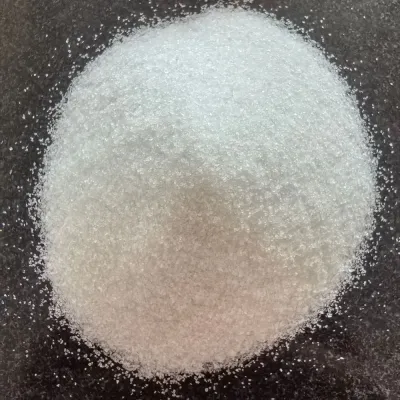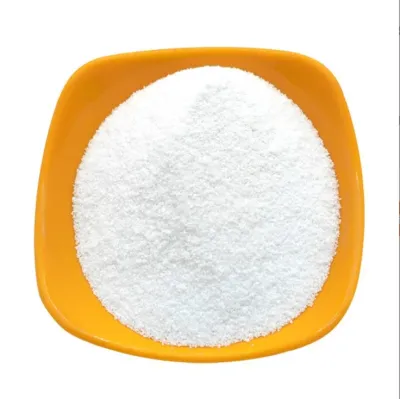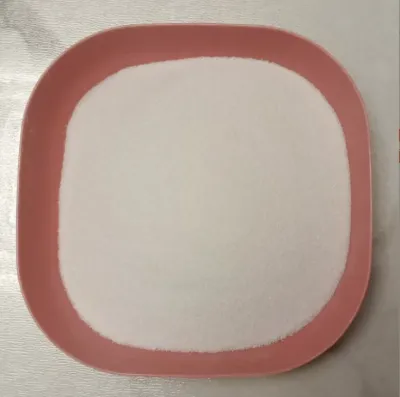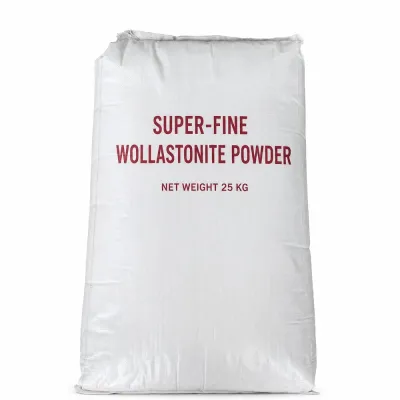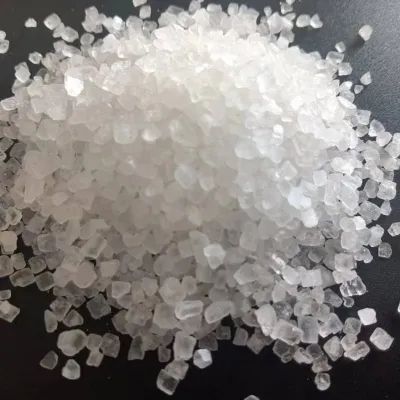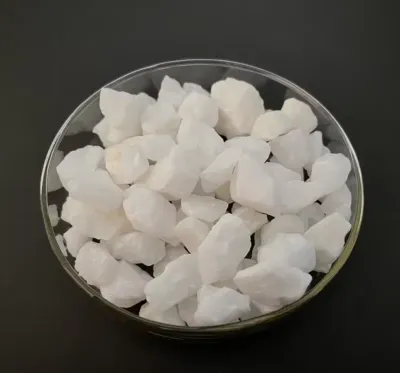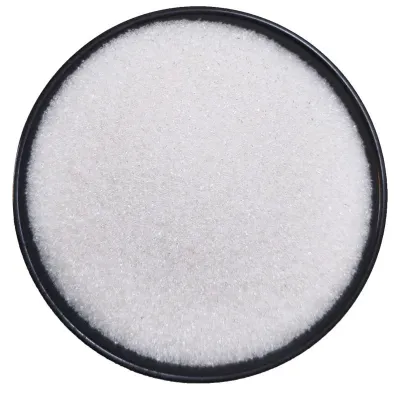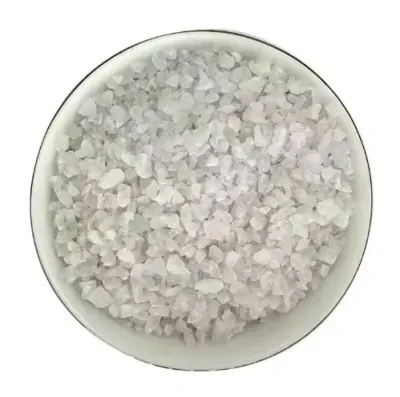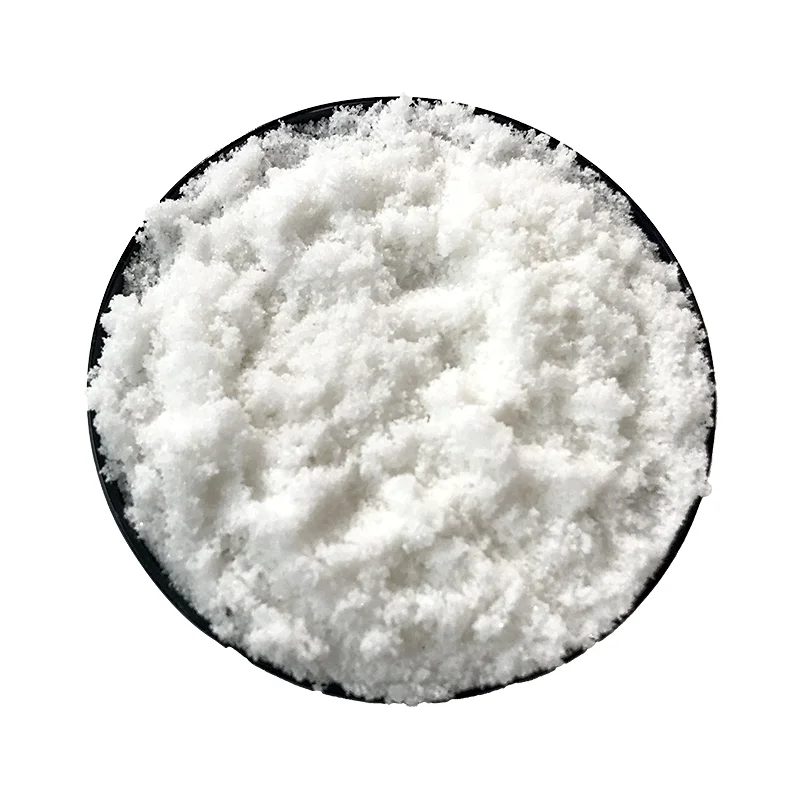
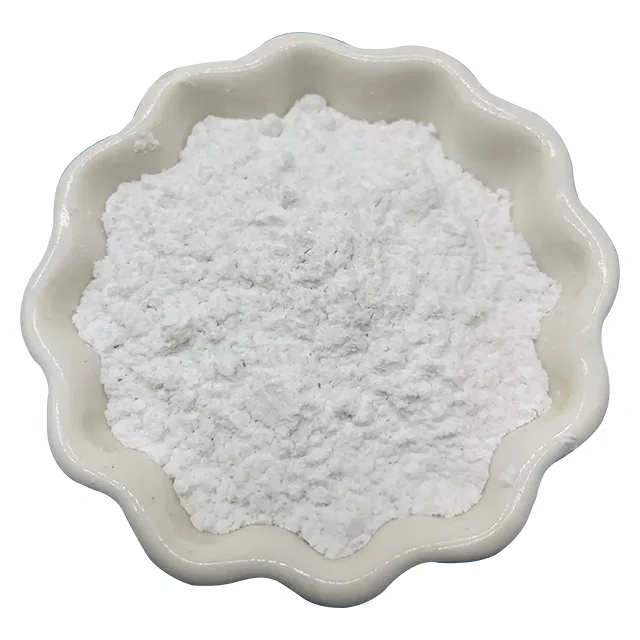
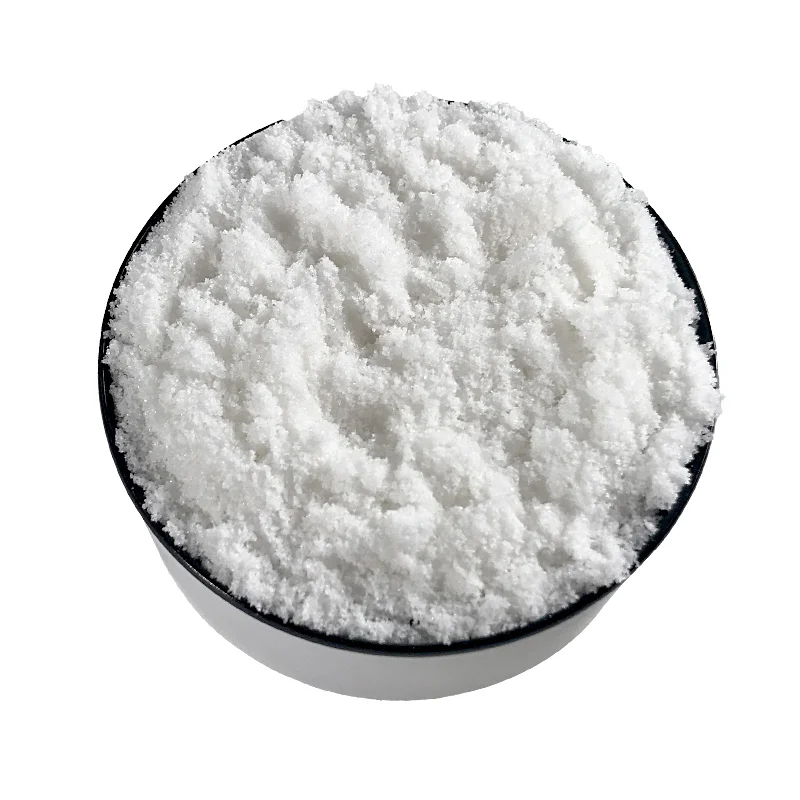
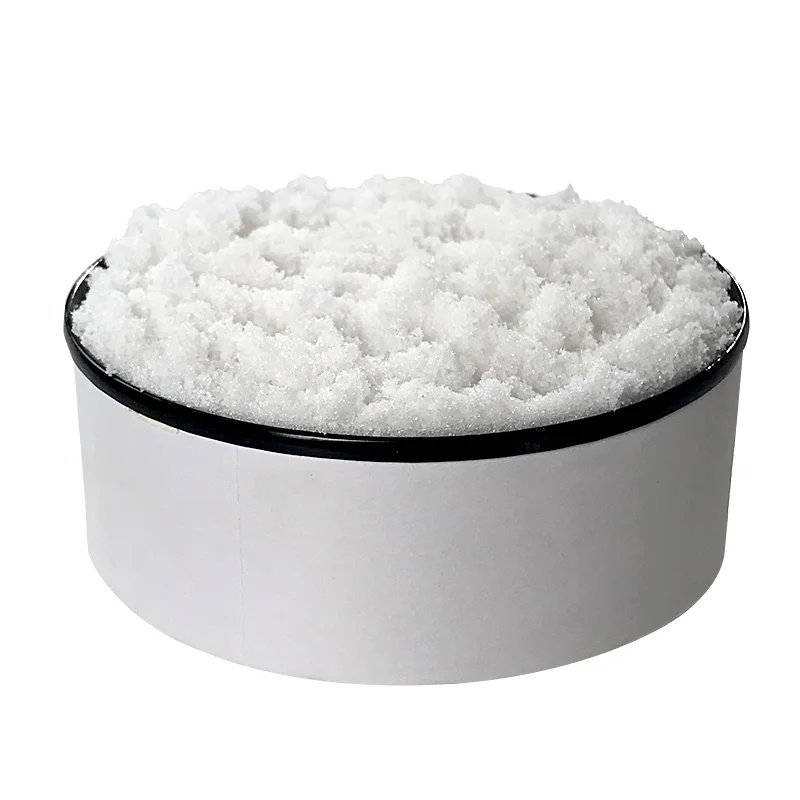
Potassium Aluminium Fluoride KAlF4 Flux White Powder, 98% Min, for Industrial Enquiries
-
ColorWhitePhysical formPowder
-
CAS No.14484-69-6Purity98%MIN
-
AppearanceWhite powderApplicationaluminum industry,fluxing agent, ceramics, glass
-
ClassificationOther Inorganic SaltsEINECS No.238-485-8
-
Grade StandardAgriculture Grade, Industrial Grade, Reagent GradeMolecular FormulaAlF4.K
-
Other NamesPOTASSIUM CRYOLITEProduct namePotassium Aluminum Fluoride
-
Density2.88 g/cm³Melting Point845°C (1553°F)
-
SolubilitySoluble in waterCAS14484-69-6
-
GradeIndustral GradeHS CODE28269090.90
-
Package25kg/bagEINECS238-485-8
-
ColorWhite Color
A flux enquiry should identify the metal process before treating a powder name as a process specification. This potassium aluminium fluoride is described as industrial white powder with stated formula AlF4.K and minimum purity of 98%.
Connect the fluoride powder to the proposed flux duty
Aluminum-industry and fluxing-agent uses are named contexts for the material. Explain the proposed metal system and the result to be assessed, then request evidence relevant to that exact duty.
The flux description does not establish an alloy match or a joining outcome. It also does not specify an operating temperature, so the process conditions need their own qualified technical basis.
Document the actual potassium aluminium fluoride grade
Obtain current composition and phase records together with the assay method and relevant impurity results. Confirm the particle information needed by the process when comparing the offered material with another grade.
- For chemical comparison
- Keep the stated formula and analytical basis associated with the sample.
- For process comparison
- Assess the actual powder against the intended system and its acceptance criteria.
Evaluate ceramic and glass enquiries independently
Ceramics and glass are additional named application areas. Describe the formulation and composition limits rather than assuming that a flux result establishes acceptance for either material system.
Density is reported as 2.88 g/cm³, and the powder is described as soluble in water. Request the relevant measurement conditions and handling documents where needed, without reading those descriptors as a solution recipe or as evidence of a reagent or agricultural qualification.