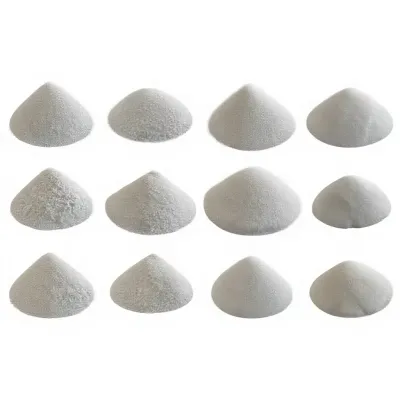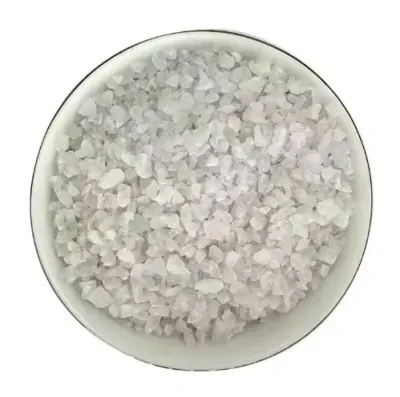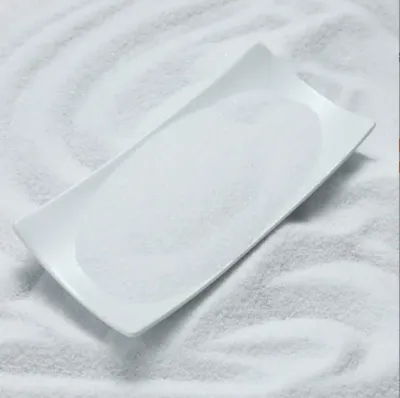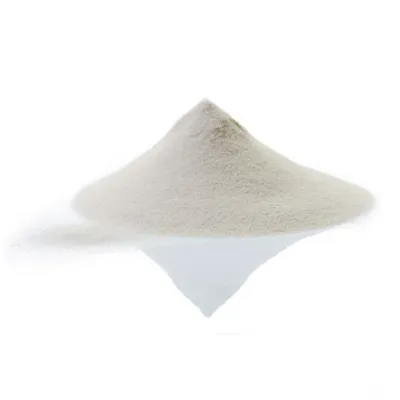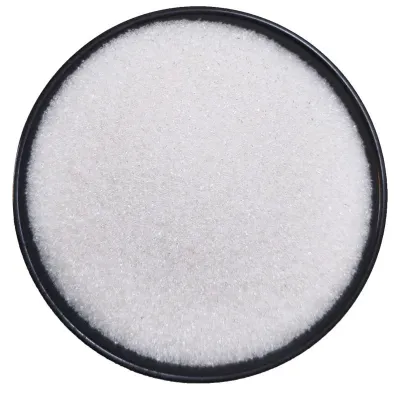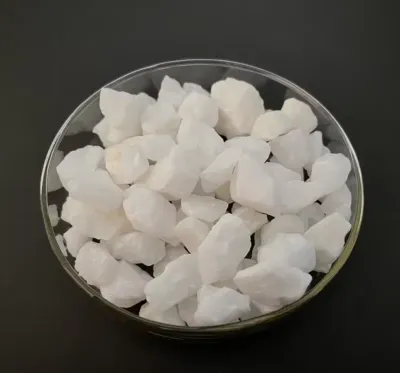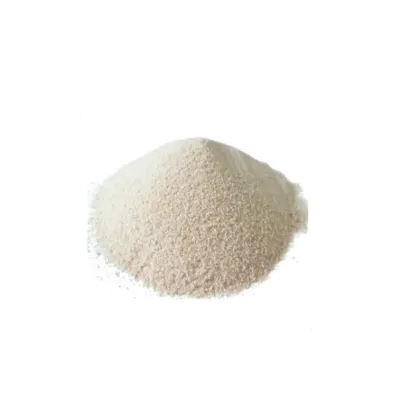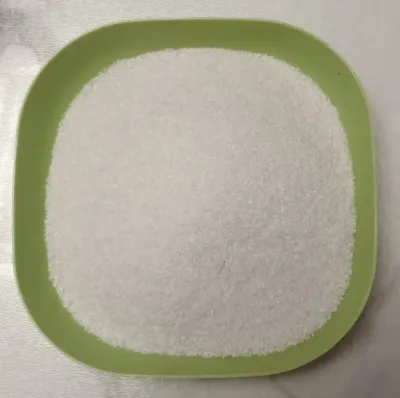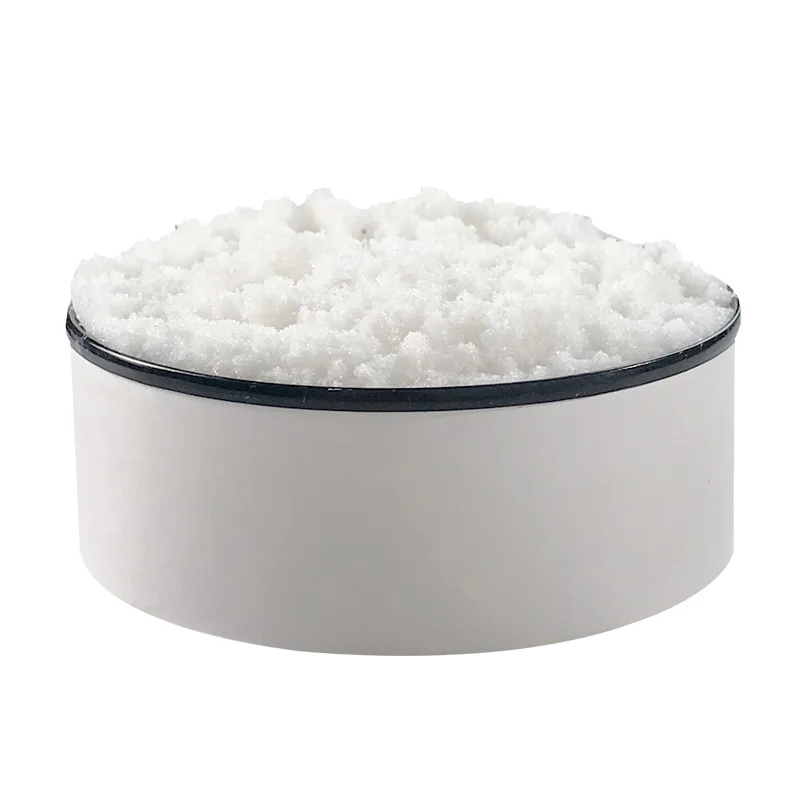
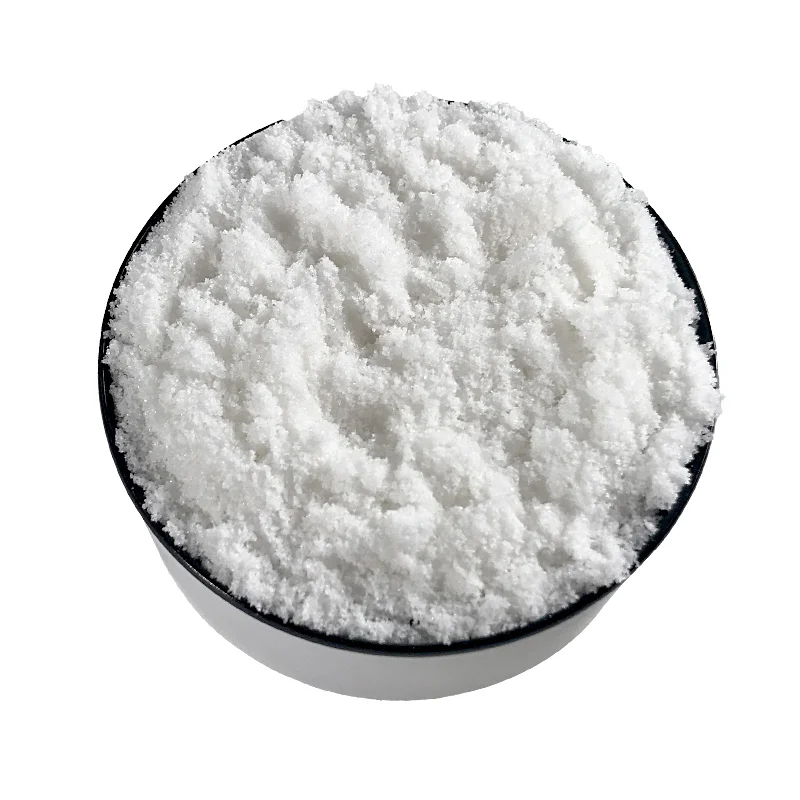
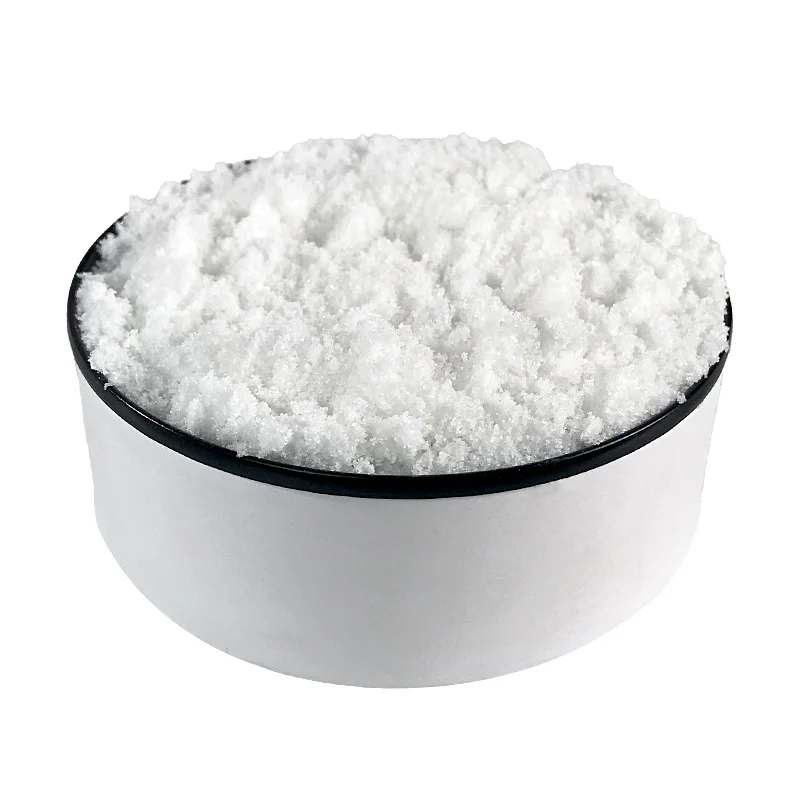
Potassium Aluminum Fluoride White Powder for Glass Manufacturing, Ceramic and Flux Enquiries
-
ColorWhitePhysical formPowder
-
CAS No.14484-69-6Purity98%MIN
-
AppearanceWhite powderApplicationaluminum industry,fluxing agent, ceramics, glass
-
ClassificationOther Inorganic SaltsEINECS No.238-485-8
-
Grade StandardAgriculture Grade, Industrial Grade, Reagent GradeMolecular FormulaAlF4.K
-
Other NamesPOTASSIUM CRYOLITEDensity2.88 g/cm³
-
Melting Point845°C (1553°F)SolubilitySoluble in water
-
CAS14484-69-6
Glass-manufacturing enquiries for potassium aluminum fluoride should begin with the actual fluoride composition. The white powder is associated with glass, ceramics and aluminum-industry flux directions, but a defined phase and offered grade are still needed for a meaningful comparison.
Identify the fluoride phase behind the material name
The formula and potassium-cryolite wording require reconciliation with matched product records. Request actual composition and phase identification before adopting an assay or a physical value that may depend on which material is present.
Set acceptance criteria for the glass ingredient role
Describe the proposed function, process conditions and finished-glass requirements. The application wording does not establish optical quality, a working temperature or the result of adding the offered powder to a particular formulation.
- Match analysis, technical information and safety documentation to the actual fluoride.
- Agree assay basis, relevant impurities and powder characteristics for the proposed process.
- Obtain representative processing and finished-material results against defined criteria.
Assess ceramic and aluminum flux uses separately
A ceramic process and an aluminum-industry flux operation can ask different questions of the ingredient. Define each role and its acceptance tests rather than transferring a result from one application to another.
Any requested reagent or agricultural qualification needs evidence for the actual offered grade. Confirm applicable handling requirements through current safety records, and keep the material decision tied to identified composition and representative use evidence rather than an unresolved alias or an assumed fluoride performance profile.