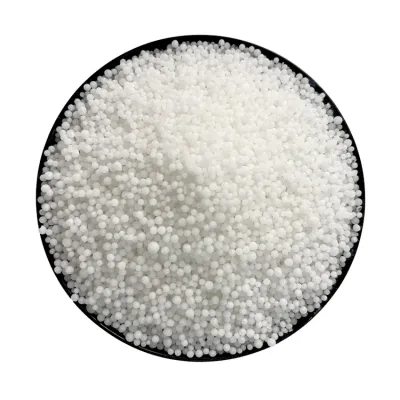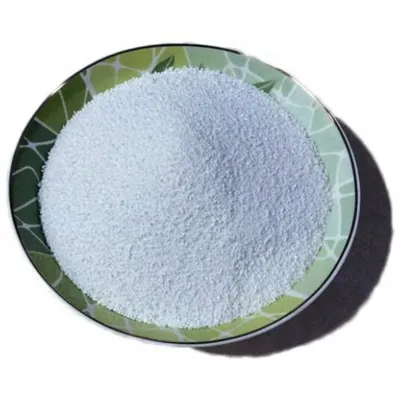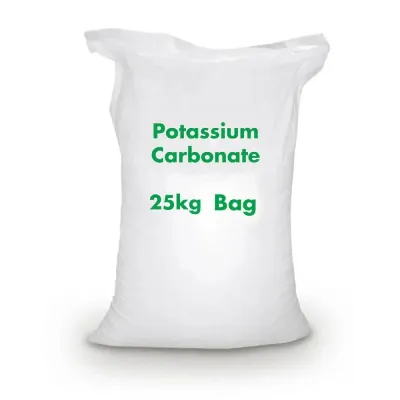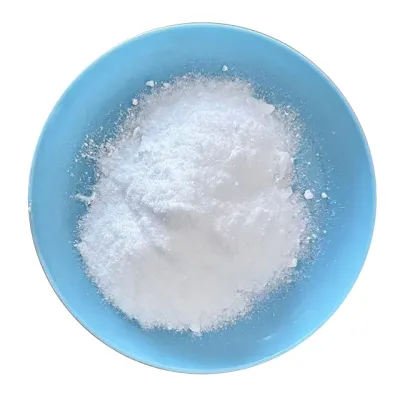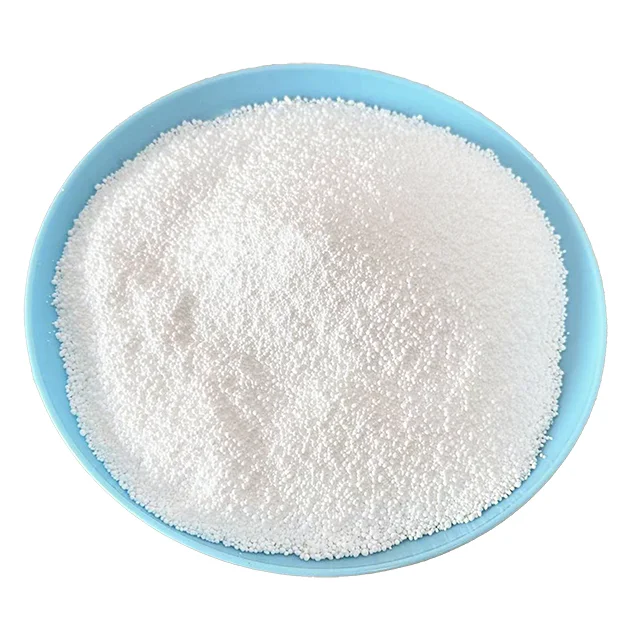
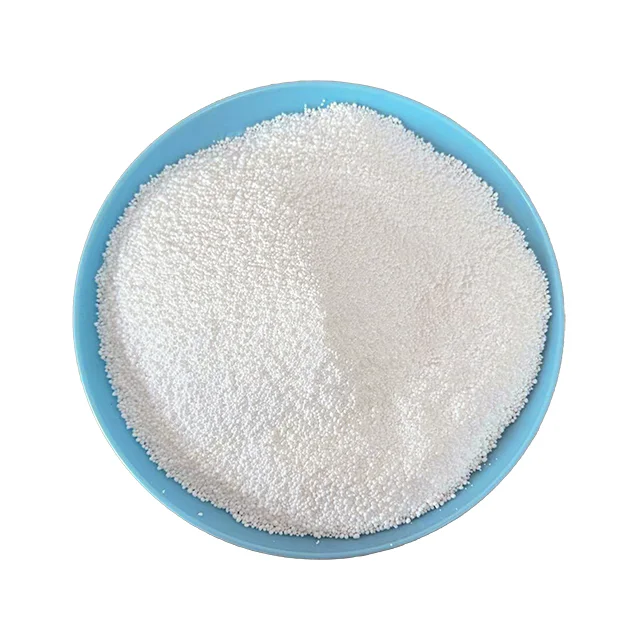
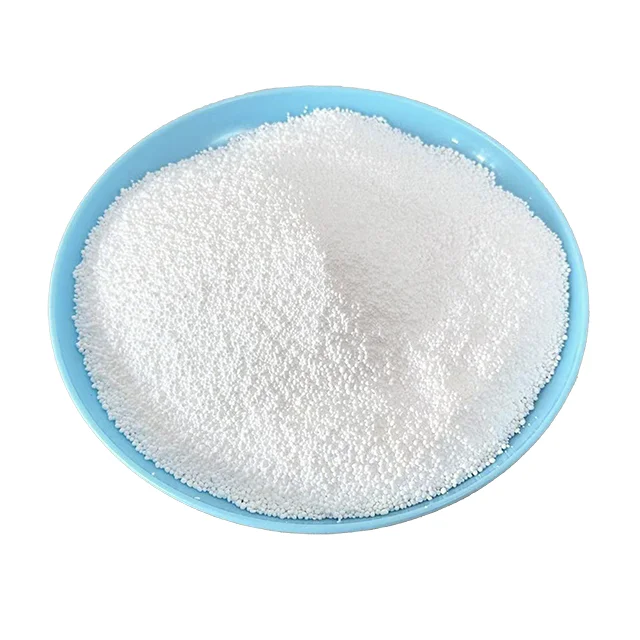
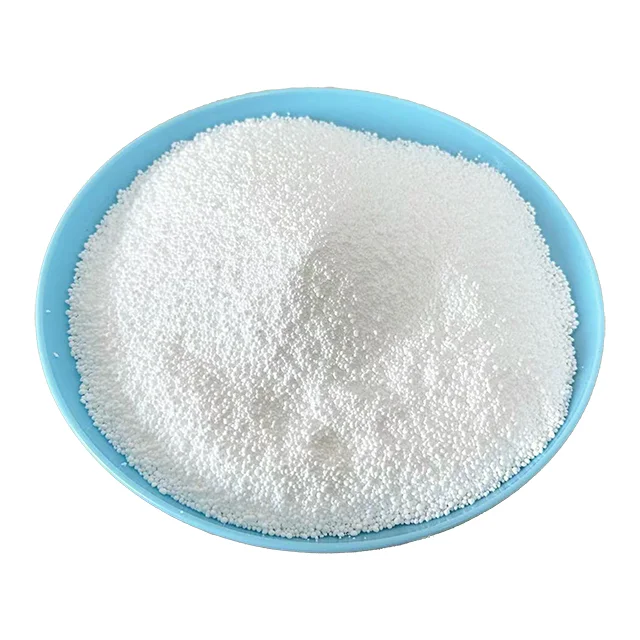
Potassium Carbonate K2CO3 Powder, 99% Purity, TY-K2CO3, for Detergent-Formulation Evaluation
-
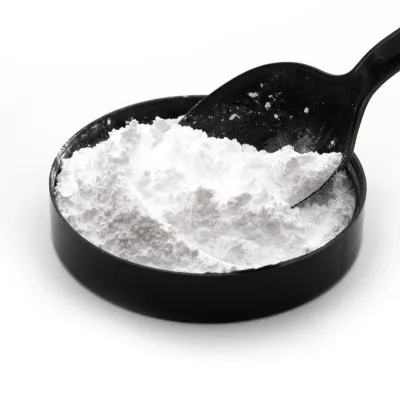
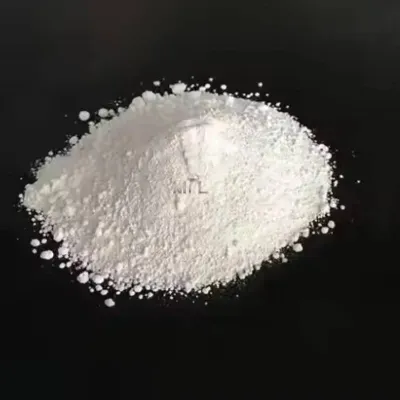
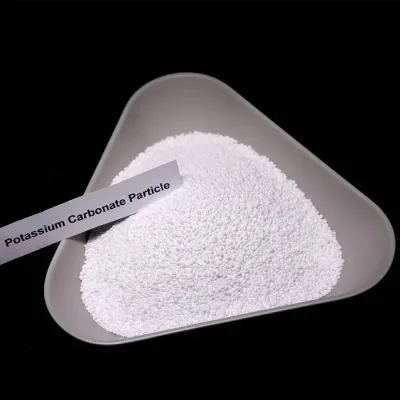
ColorWhitePhysical formPowder
-
CAS No.584-08-7Purity99%
-
AppearanceWhite powderApplicationGlass Manufacturing, Fertilizer, Detergent, Food A
-
ClassificationCarbonateEINECS No.209-529-3
-
Grade StandardIndustrial GradeMolecular FormulaK2CO3
-
Other NamesPotash CarbonateTypePotassium Carbonate, Potassium Carbonate
-
Molecular Weight138.21Density2.43 g/cm³
-
SolubilityEasily Soluble in WaterpH ValueStrongly Alkaline
-
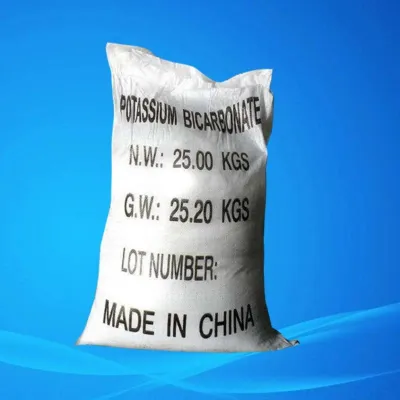
MOQ1 MTPackaging25kg Bag, 1000kg Jumbo Bag
-
Supply Ability5000 MT per MonthSampleAvailable
-
CertificateISO, COA, MSDS, Halal, Kosher (Food Grade)
A detergent-material comparison should connect the chosen carbonate grade to the actual formulation requirements. TY-K2CO3 is an industrial white potassium carbonate powder, K2CO3, with stated purity of 99% and density of 2.43g/cm³ for an initial chemical-grade assessment.
Set the detergent formulation’s acceptance limits
Specify the chemical impurities and other powder properties that the formulation can accept. Request current assay, moisture and relevant particle measurements for the offered model, because a bulk purity figure does not establish the complete detergent-material specification.
Assess alkalinity through a defined measurement
The powder is described as easily soluble in water and strongly alkaline. If a numerical alkalinity or pH result is required, agree the concentration and test method before comparing values; the qualitative description does not provide a dosing instruction or cleaning-performance result.
- Material comparison
- Actual model analysis and required chemical and powder limits.
- Formulation comparison
- Relevant trial conditions and the measurements accepted by the project.
Evaluate the offered model in the intended formulation
Samples are available for enquiry, with current terms and supporting grade documents to be confirmed. Define the actual detergent trial before treating the material direction as evidence of compatibility or an improvement in the finished formulation.
Glass and fertilizer are also stated industrial directions, while food-grade and other certified uses need applicable documents and scope. Include the model, accepted impurities and required formulation measurements in the technical exchange so the sample comparison answers the detergent project’s actual qualification question.