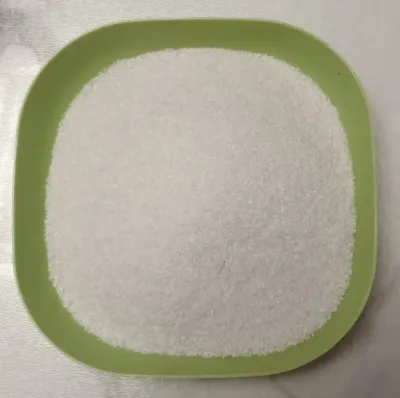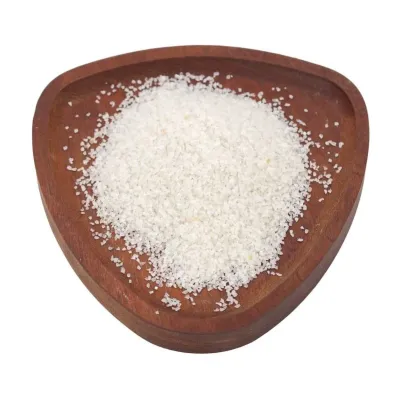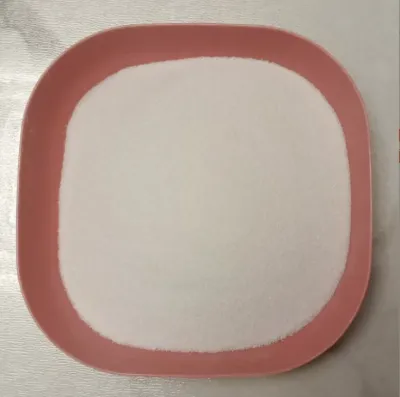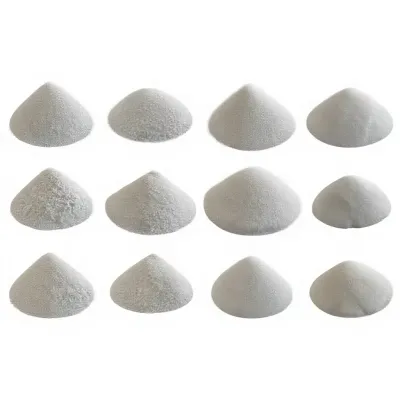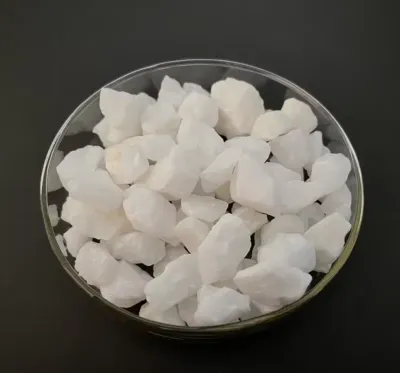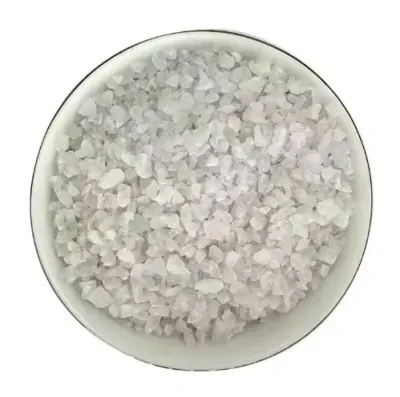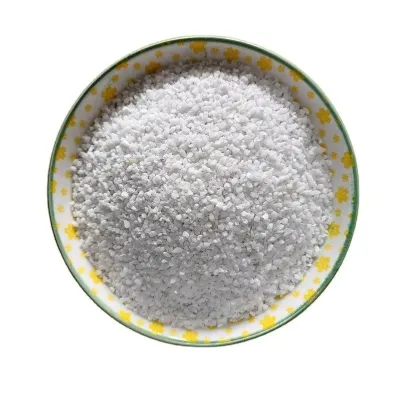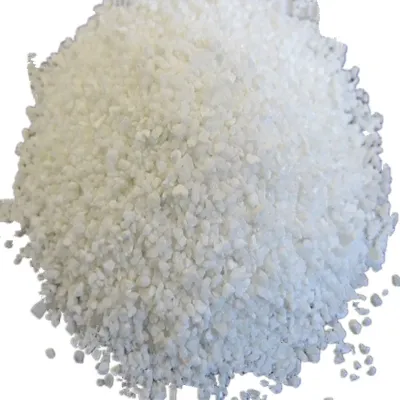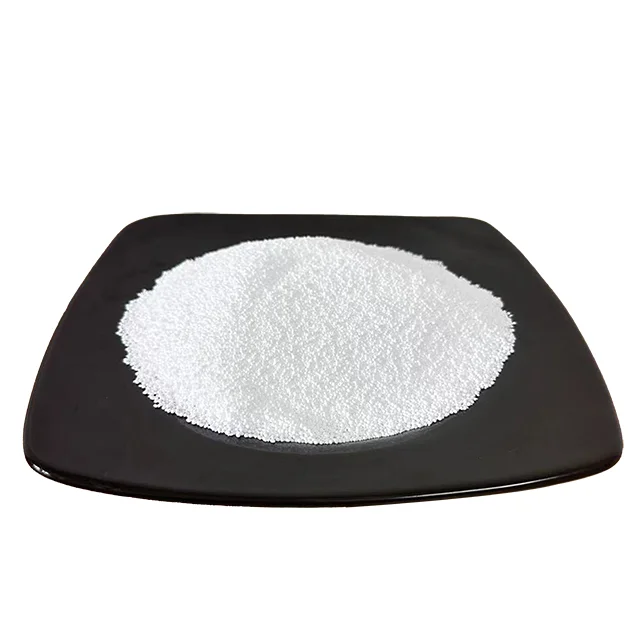
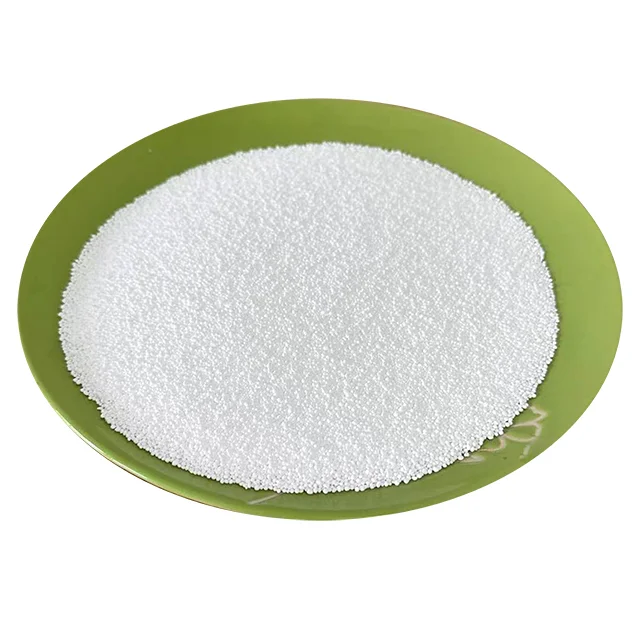
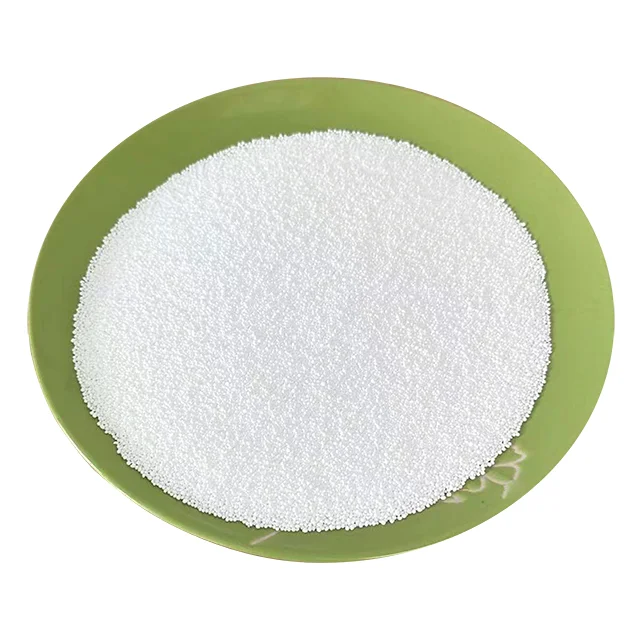
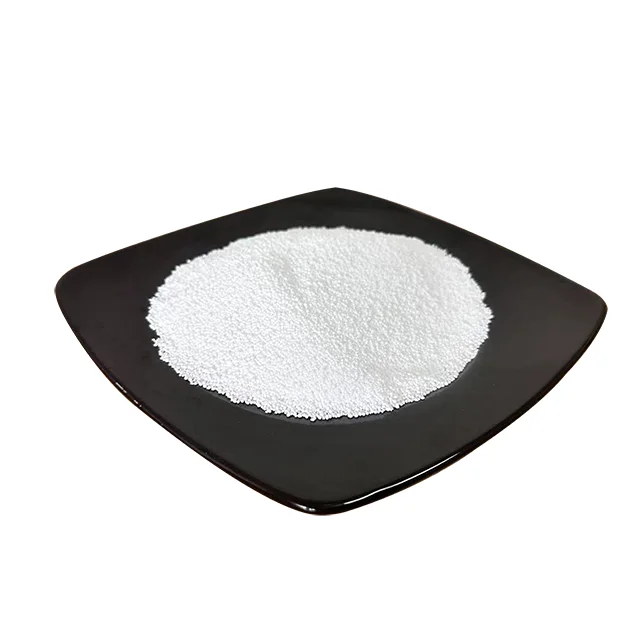
Potassium Carbonate K2CO3 White Granules, 99% Minimum for Optical Glass and Welding-Electrode Enquiries
-
ColorWhitePhysical formGranular
-
CAS No.584-08-7Purity99%MIN, 99%MIN
-
AppearanceWhite GranularApplicationOptical glass,Welding electrode
-
ClassificationCarbonateEINECS No.209-529-3
-
Grade StandardAgriculture Grade, Industrial Grade, Reagent GradeMolecular FormulaK2CO3
-
Other NamesPotassiumCarbonateFccTypePotassium Carbonate
-
CAS584-08-7Melting Point891 °C
-
Boiling PointDecomposesDensity2.43 g/cm³
-
Shelf Life2 years
Potassium carbonate properties become useful selection criteria when they are connected to the actual offered grade. This K2CO3 material is described as white granules with 99% minimum purity and application directions covering optical glass and welding electrodes.
Match the carbonate granules to a defined grade
Obtain current assay methods, relevant impurity limits and granule characteristics. Moisture and other physical criteria should be agreed for the proposed process rather than assumed from a minimum purity statement.
Evaluate the optical-glass ingredient requirement
Define the actual ingredient function and the acceptance criteria for the finished glass. A general optical-glass direction does not establish optical quality or a measured result in a particular formulation.
- Composition question
- Which analytical limits and methods apply to the offered carbonate?
- Process question
- Which granule and moisture criteria matter to the actual operation?
- Result question
- Which representative finished-material tests support acceptance?
Assess the welding-electrode role independently
Describe the proposed electrode-material function and obtain relevant process and acceptance results. Evidence from a glass use should not be transferred into an electrode-performance claim.
Confirm measurement methods for the stated physical entries, and keep decomposition distinct from an ordinary boiling point or operating setting. An FCC-like alias does not establish food qualification, while agricultural or reagent requests require their own grade evidence.
Match technical and safety records to the actual granules and confirm the conditions supporting any shelf-life statement. Select using verified offered-grade criteria and evidence for the specific application being considered.