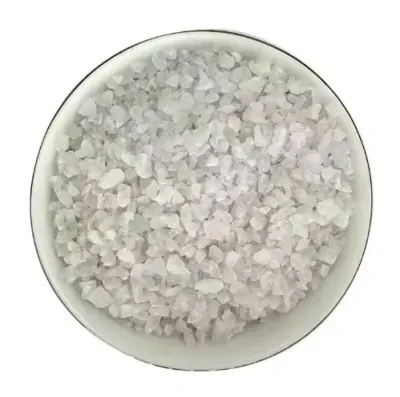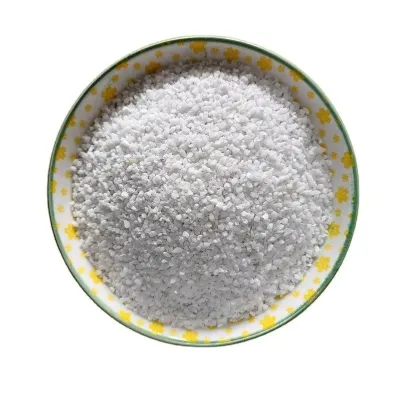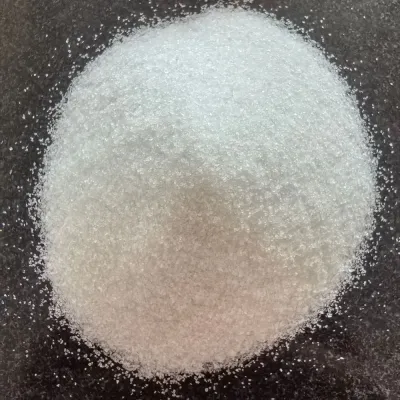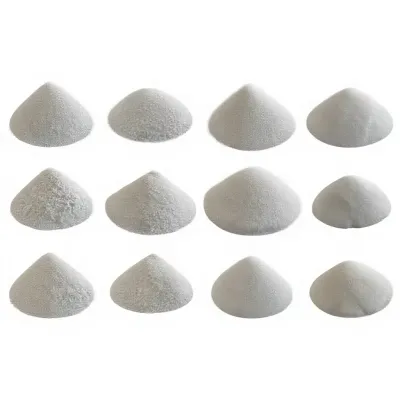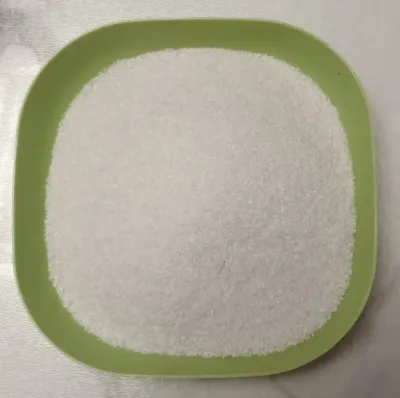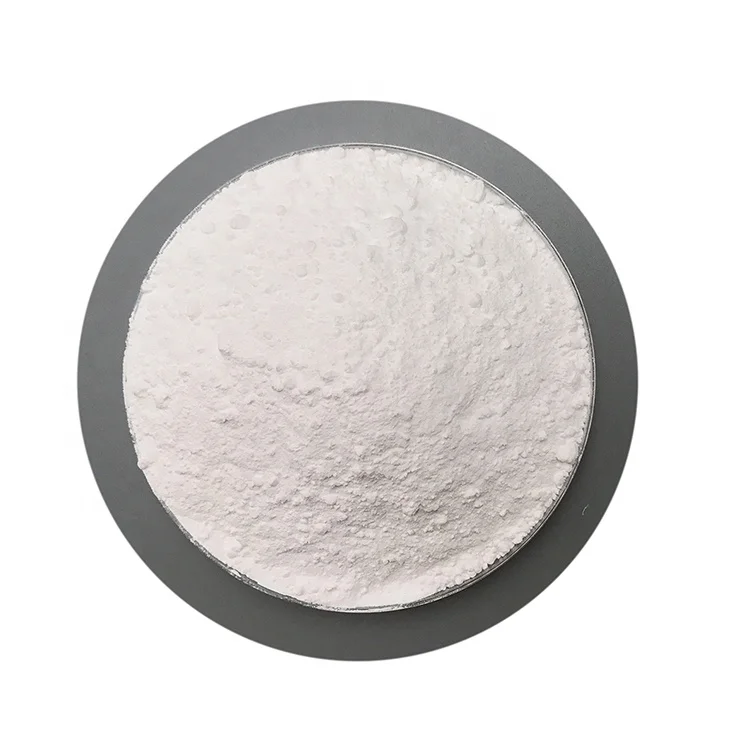
Precipitated Barium Sulfate BaSO4 Powder for Battery-Material, Paint, Coating and Enamel Enquiries
-
ColorWhitePhysical formPowder
-
CAS No.7727-43-7Purity98%
-
AppearanceWhite PosderApplicationpaint, coating, plastic,battery,enamels,printing
-
ClassificationSulphateGrade StandardIndustrial Grade
-
Molecular FormulaBaSO4Other NamesBariate
-
TypeBarium SulfateD500.08
-
Whiteness98PH value7-9
-
Oil absorption18-22CertificationISO
-
BaSO4 Content98
A battery-material or coating enquiry should identify the actual system before a powder is selected. This industrial precipitated barium sulfate has stated purity of 98% and pH of 7–9. Paint, coatings, plastics, enamels and printing are also identified evaluation contexts.
Specify the battery component or industrial formulation
For battery-related work, name the component, chemistry and qualification requirements in the enquiry. For paint or enamel work, provide the intended binder or material system and processing conditions. A broad application name does not establish suitability for the particular project.
Request a defined grade and complete particle report
Obtain the grade identification and current analysis for the sample being considered. Ask for the full particle distribution, measurement method and units before setting a fineness criterion. A superfine description alone does not provide a numerical particle profile or prove nanoscale performance.
Set optical and exposure requirements explicitly
Request the whiteness scale and reference needed for the intended comparison. Obtain oil-absorption units and the relevant procedure if that property matters to formulation. Any acid or alkali resistance requirement needs evidence for the specified exposure and finished material rather than a general chemical-resistance label.
- Agree the sample identity and current composition basis.
- Define comparable particle, optical and pH measurement methods.
- Evaluate the actual formulation against the project's acceptance tests.
Keep the reports connected to the exact powder that was tested. Review those results and any applicable documentation before deciding whether the material meets the intended use.