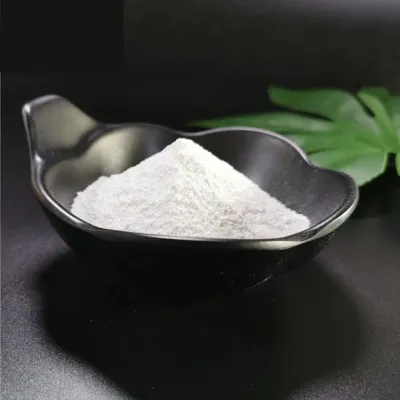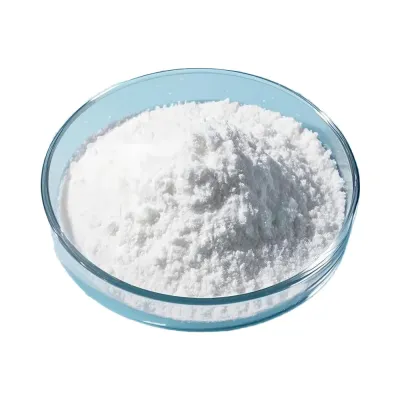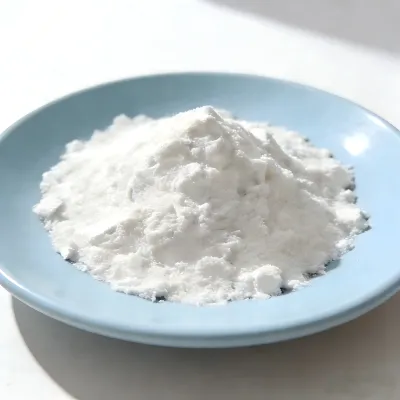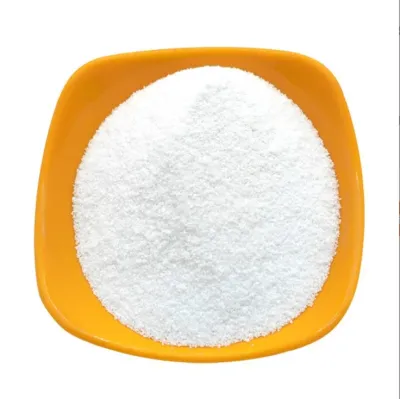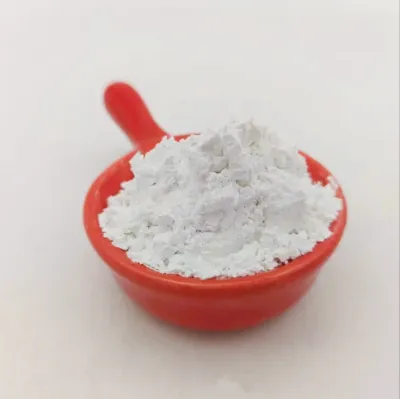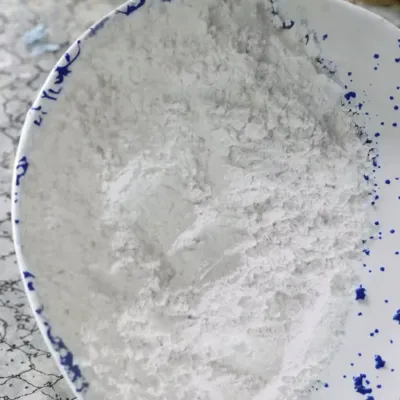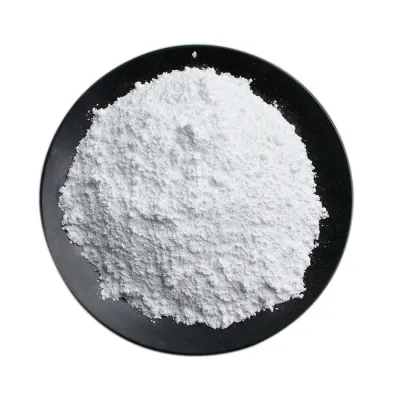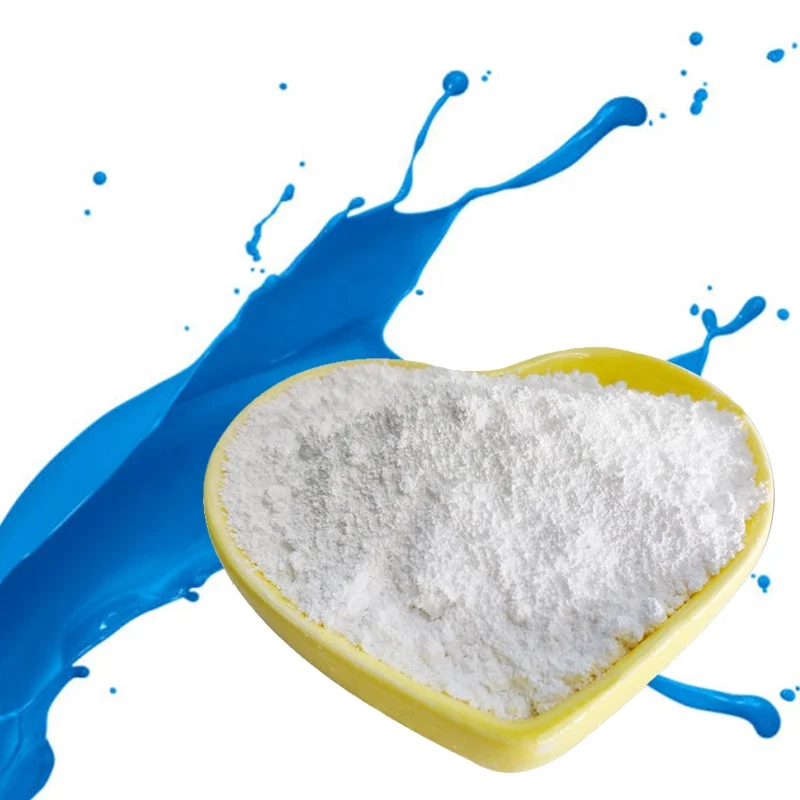
Precipitated Barium Sulphate BaSO4, 98.5% Minimum, 0.7μm D50 White Powder for Industrial Paint
-
Particle-size designationD50 specifiedColorWhite
-
Physical formPowder
-
CAS No.7727-43-7Purity98.5% Min, 98.5%
-
AppearanceWhite PowderApplicationIndustrial
-
ClassificationSulphateEINECS No.231-793-3
-
Grade StandardIndustrial GradeMolecular FormulaBaSO4
-
Other NamesBlanc FixeTypeBarium Sulfate
-
Product nameprecipitated barium sulfateColorPure White
-
CertificateISO9001Hs code28332700.00
-
Usagecoating, paint, plastic, etc.Whiteness98.5%
-
D50 particle size0.7 micronGradeIndustral Grade
-
Package25kg/bag
Two different powder measurements share the number 98.5% in this precipitated barium sulphate enquiry. The industrial white BaSO4 powder has 98.5% minimum purity and 98.5% whiteness, alongside a 0.7μm D50 for paint, coating and plastic evaluation.
Keep the two 98.5% questions distinct
Chemical purity identifies an assay requirement, while whiteness needs its own optical method and acceptance scale. Request the current analysis and whiteness basis so each value answers the correct question in the paint-filler comparison.
Extend the median into a size specification
A 0.7μm D50 gives a defined median for the precipitated powder, but does not describe the complete distribution. Ask for the remaining particle information and relevant treatment specification before linking the powder to dispersion or finish in a particular binder.
How should the powder be identified?
Use the precipitated barium sulphate or blanc-fixe name with the actual assay and median in the enquiry. These references are more useful than assuming a model number that has not been established for the offered grade.
Let the paint or plastic trial decide acceptance
The coating, paint and plastic directions each need a relevant formulation evaluation. Neither a white appearance nor the shared 98.5% numeral assures gloss, compatibility or an interchangeable filler replacement.
Request the grade documents for this industrial precipitated powder and define the intended application clearly. A confirmed assay, complete size specification and matched trial provide the practical basis for choosing it.