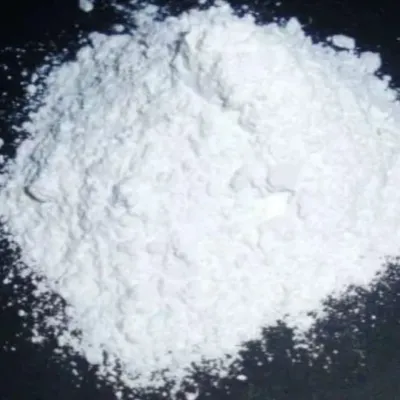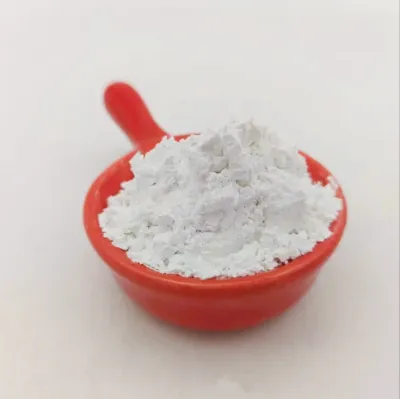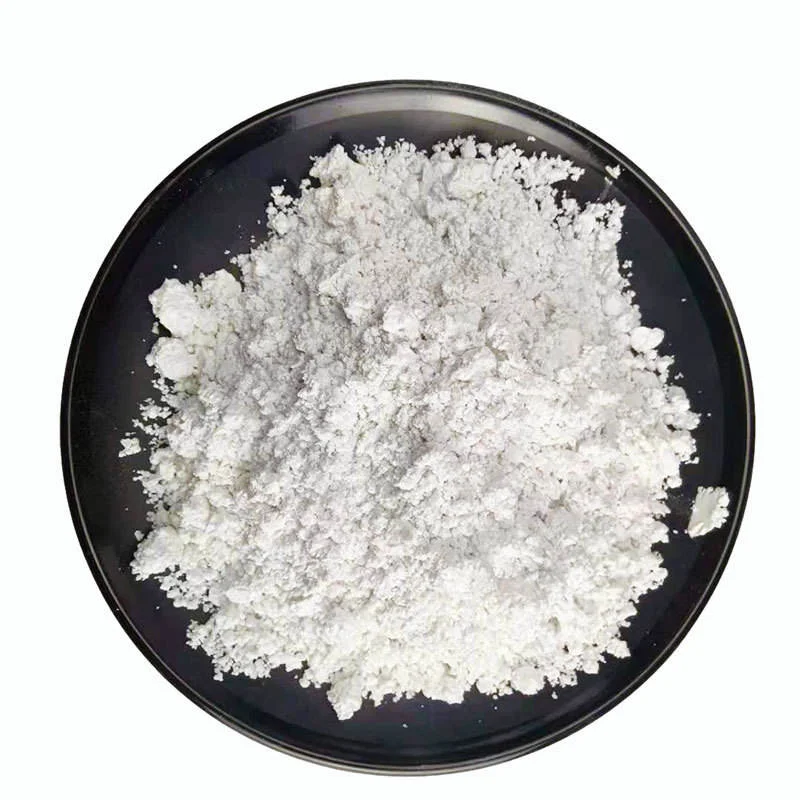
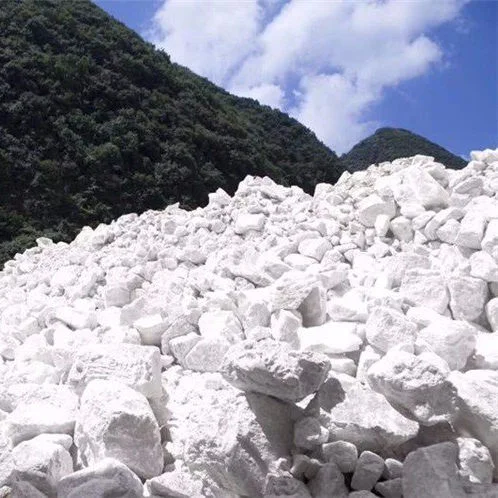
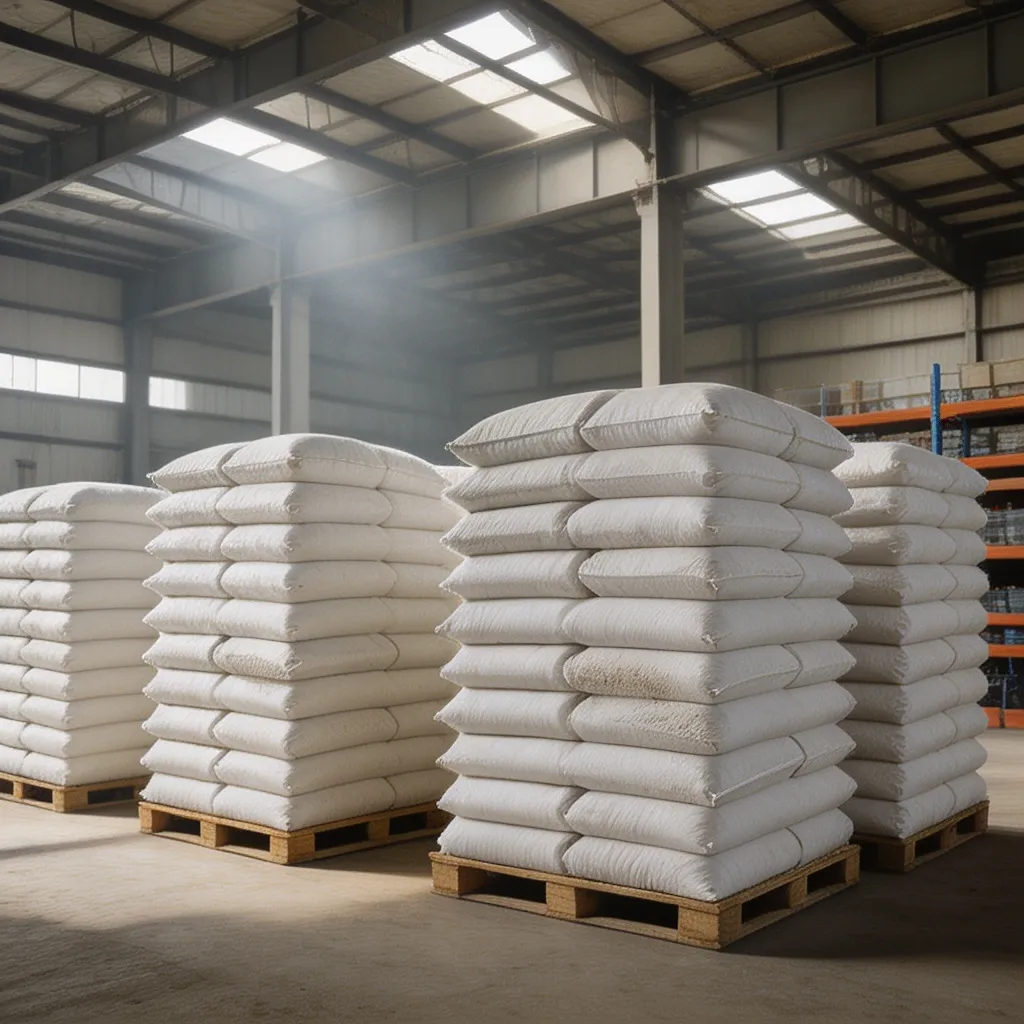
Precipitated Calcium Carbonate PCC CaCO3 White Superfine Powder, 96%, for Paint Enquiries
-
ColorWhitePhysical formPowder
-
CAS No.471-34-1Purity96%
-
Appearancewhite superfine powerApplicationPaint, Plastic, Rubber, Paper Making, Building
-
ClassificationCarbonateEINECS No.207-439-9
-
Grade StandardIndustrial GradeMolecular FormulaCaCO3
-
Other Nameslight Calcium CarbonateTypeCalcium Carbonate
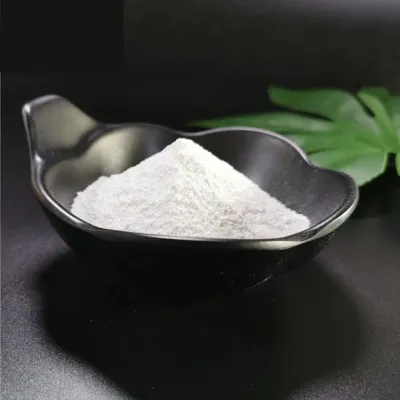
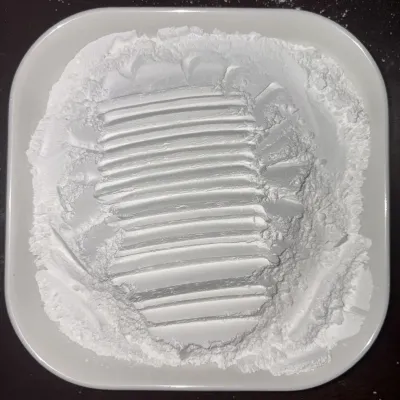
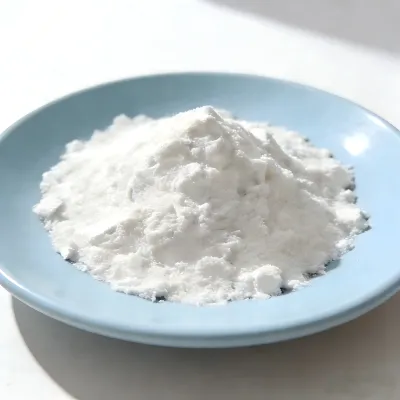
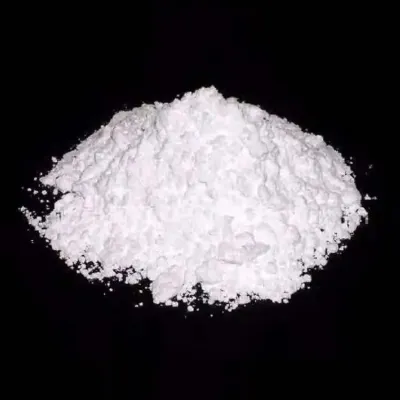
For a paint enquiry, start with the binder and the appearance or process target that the formulation must meet. This precipitated calcium carbonate, also named light calcium carbonate, is an industrial white superfine powder with formula CaCO3 and stated purity of 96%.
Define the paint comparison before choosing PCC
Specify the relevant acceptance measurements and ask which sample should be evaluated in that binder. Particle distribution, moisture, oil absorption and any treatment declaration can help define the offered grade when their test methods are supplied.
The white superfine description is not a numerical optical result. Request the particular measurements needed for the proposed paint rather than assuming gloss, hiding power or dispersion performance.
Compare the two actual model labels
The available names are premium product and standard product, and both have actual variants. Ask for a current technical specification for each label before deciding which one to test.
- Identify the label and sample being proposed.
- Compare the same analytical and physical methods across the two grades.
- Evaluate the selected sample against the paint's acceptance criteria.
Keep application approval tied to the formulation
Plastic, rubber, papermaking and building materials are additional named contexts. They require their own material requirements and trials rather than inheriting a paint approval.
The model names do not establish a performance ranking or a universal substitution rate. Review the grade-linked assay and physical records with actual formulation results, and confirm any surface treatment without borrowing an activated-grade assumption.