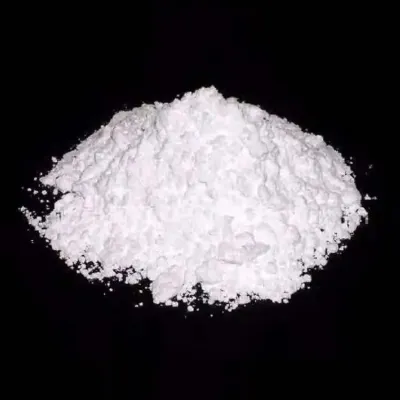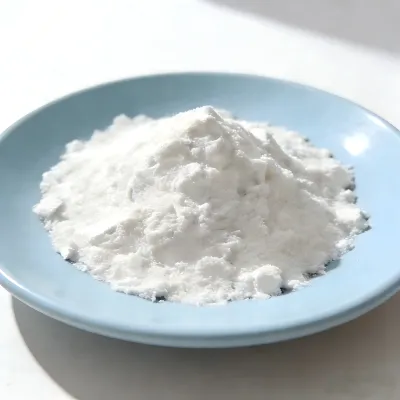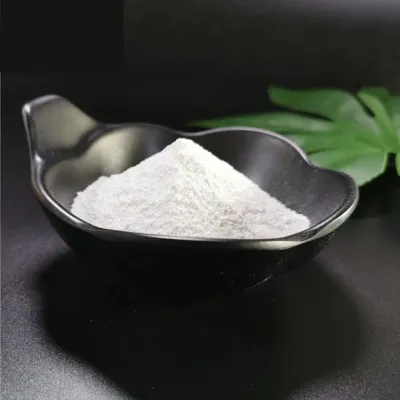
Precipitated Light Calcium Carbonate PCC CaCO3 96% White Superfine Powder for Building-Material Formulation Enquiry
-
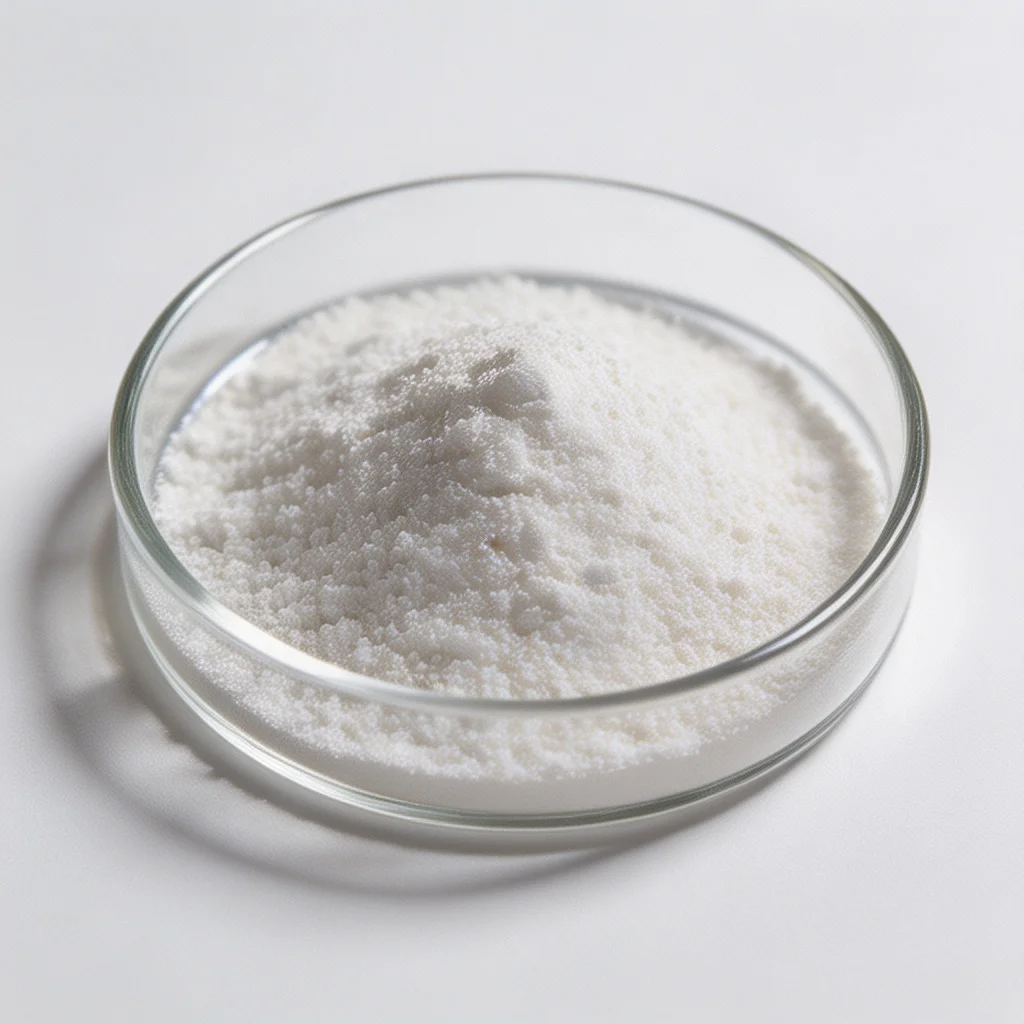
ColorWhitePhysical formPowder
-
CAS No.471-34-1Purity96%
-
Appearancewhite superfine powerApplicationPaint, Plastic, Rubber, Paper Making, Building
-
ClassificationCarbonateEINECS No.207-439-9
-
Grade StandardIndustrial GradeMolecular FormulaCaCO3
-
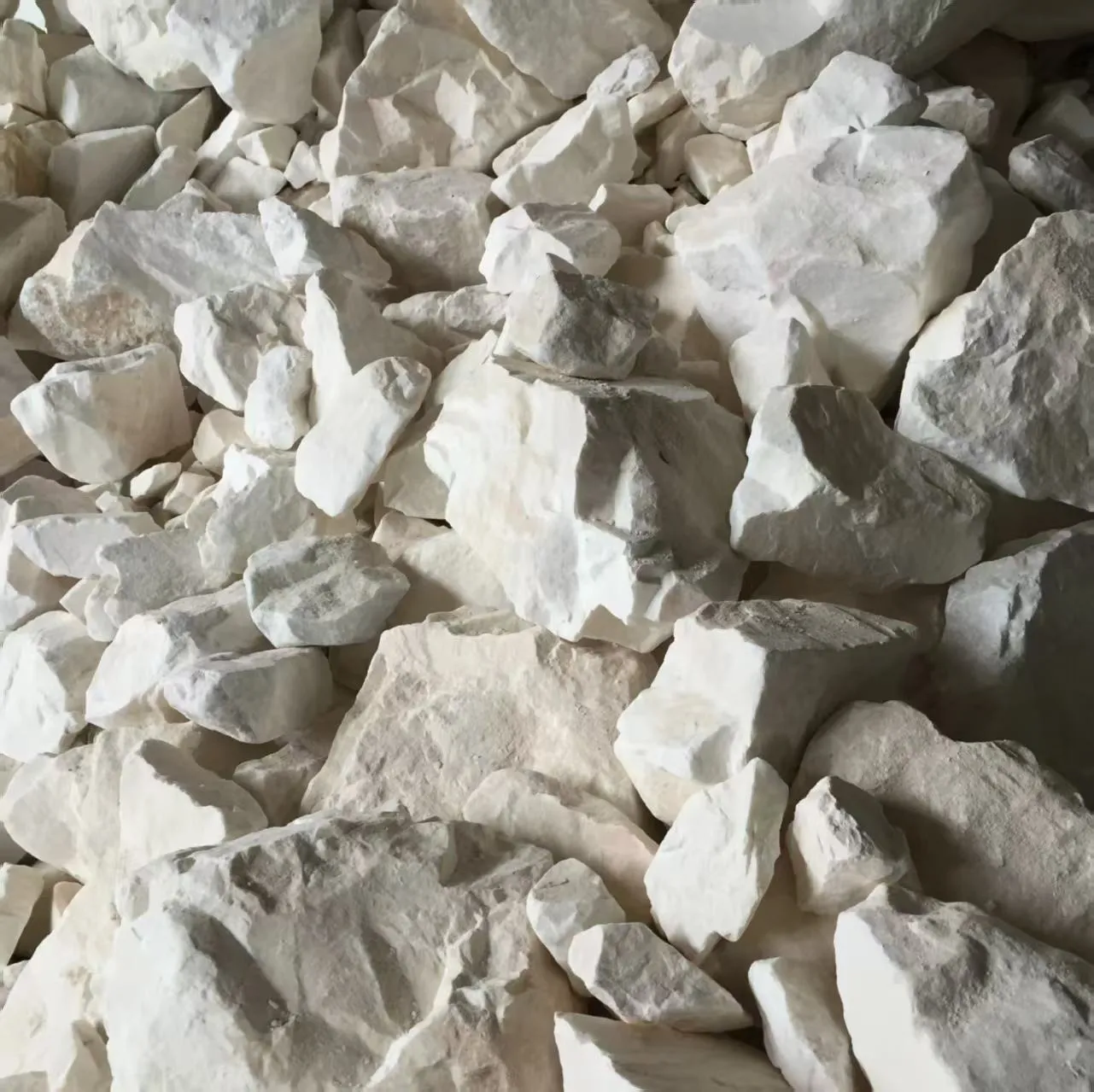
Other Nameslight Calcium CarbonateTypeCalcium Carbonate
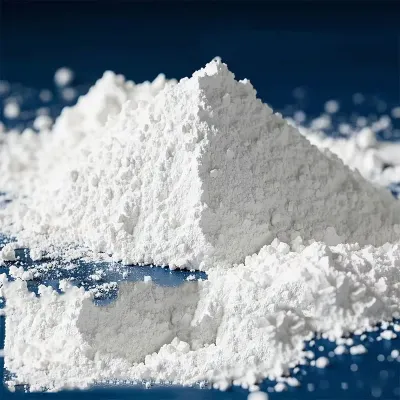
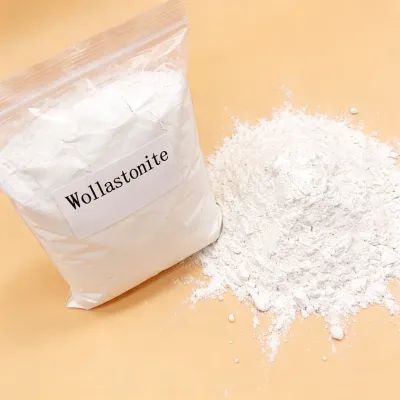
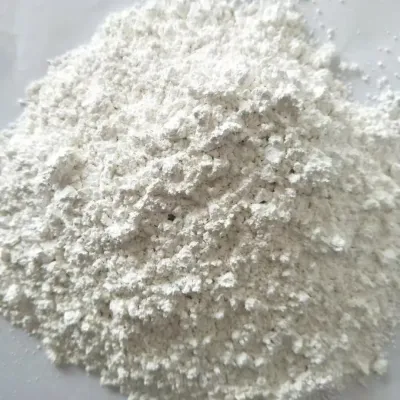
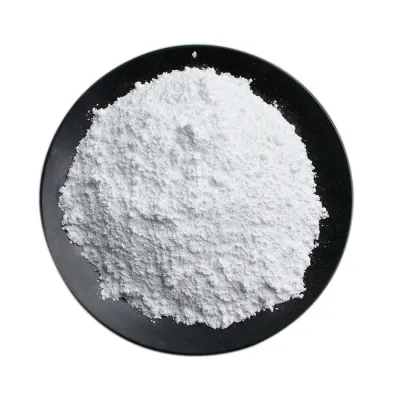
A building-material enquiry becomes useful when it names the powder’s intended role and the evidence needed for acceptance. This industrial calcium carbonate is identified as CaCO3, carries precipitated/PCC and light designations, and is described as white superfine powder with purity 96%.
Define the powder role within the building formulation
State the actual formulation and the material characteristics it requires. A general building-use direction does not identify a particular construction standard, chemical reactivity or mechanical result, so those requirements need their own relevant evidence.
Identify the model before reviewing technical records
The actual labels are premium product and standard product. Confirm which model is being offered and request its current chemical analysis, relevant impurities and measured particle data; the labels do not establish a verified property difference.
- Which model is assessed?
- The named option and its sample identity should accompany the analytical report.
- Which tests decide acceptance?
- The measurements and formulation observations should reflect the actual intended material role.
Assess treatment and optical requirements only where relevant
Clarify whether any surface treatment applies and ask for method-defined optical data if the formulation requires them. Neither the white appearance nor the superfine designation supplies those measurements or establishes finished-material performance.
Review current safety documentation and evaluate appropriate samples against the project criteria. Paint, plastics, rubber and papermaking are also listed directions, but each needs its corresponding assessment, with the actual model and powder records retained alongside the application observations.