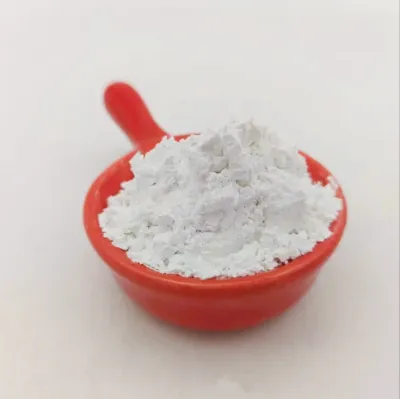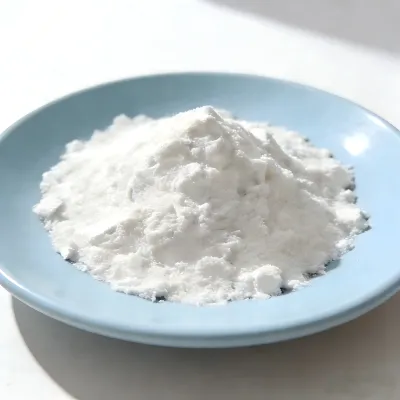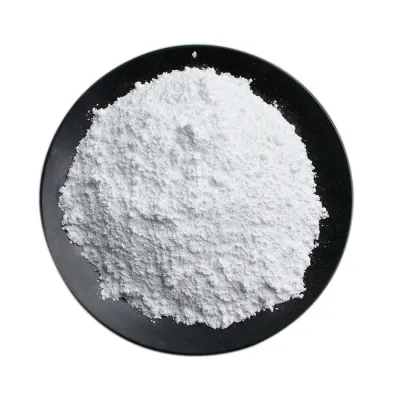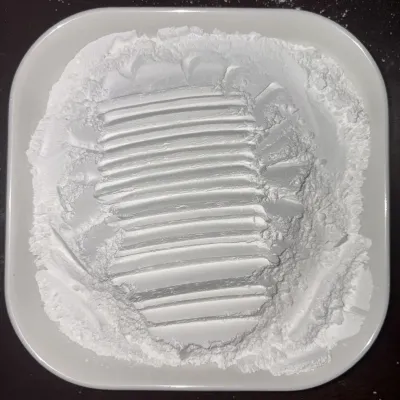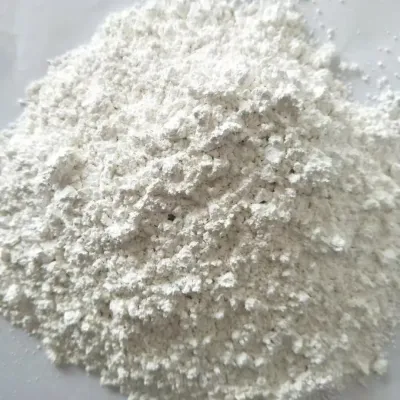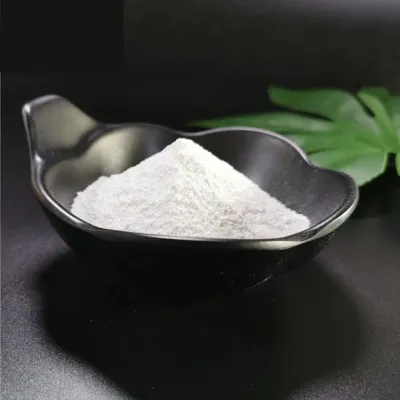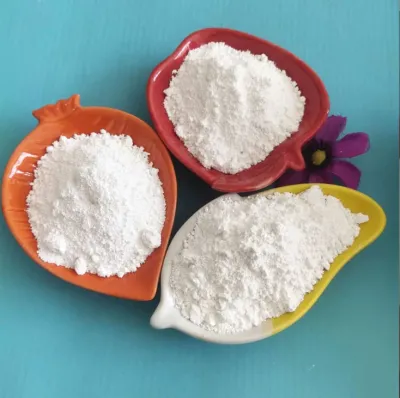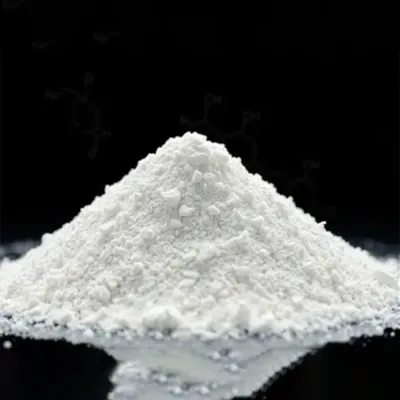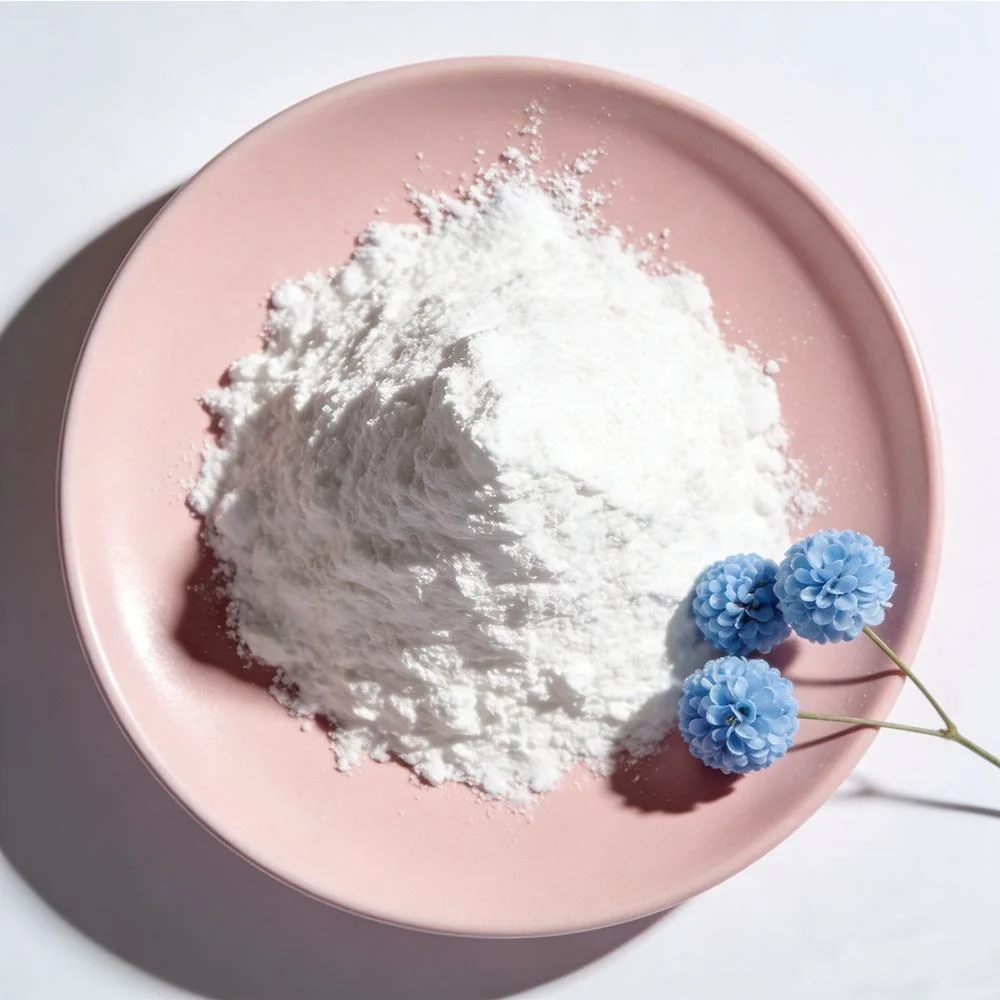

Precipitated Light Calcium Carbonate PCC CaCO3 96% White Superfine Powder for Plastic and Rubber Evaluation
-
ColorWhitePhysical formPowder
-
CAS No.471-34-1Purity96%
-
Appearancewhite superfine powerApplicationPaint, Plastic, Rubber, Paper Making, Building
-
ClassificationCarbonateEINECS No.207-439-9
-
Grade StandardIndustrial GradeMolecular FormulaCaCO3
-
Other Nameslight Calcium CarbonateTypeCalcium Carbonate
Plastic and rubber material qualification should begin with the actual formulation and its acceptance criteria. This industrial CaCO3 is described as white superfine powder with purity 96%, carrying precipitated/PCC and light calcium carbonate designations.
Describe the polymer system before choosing a model
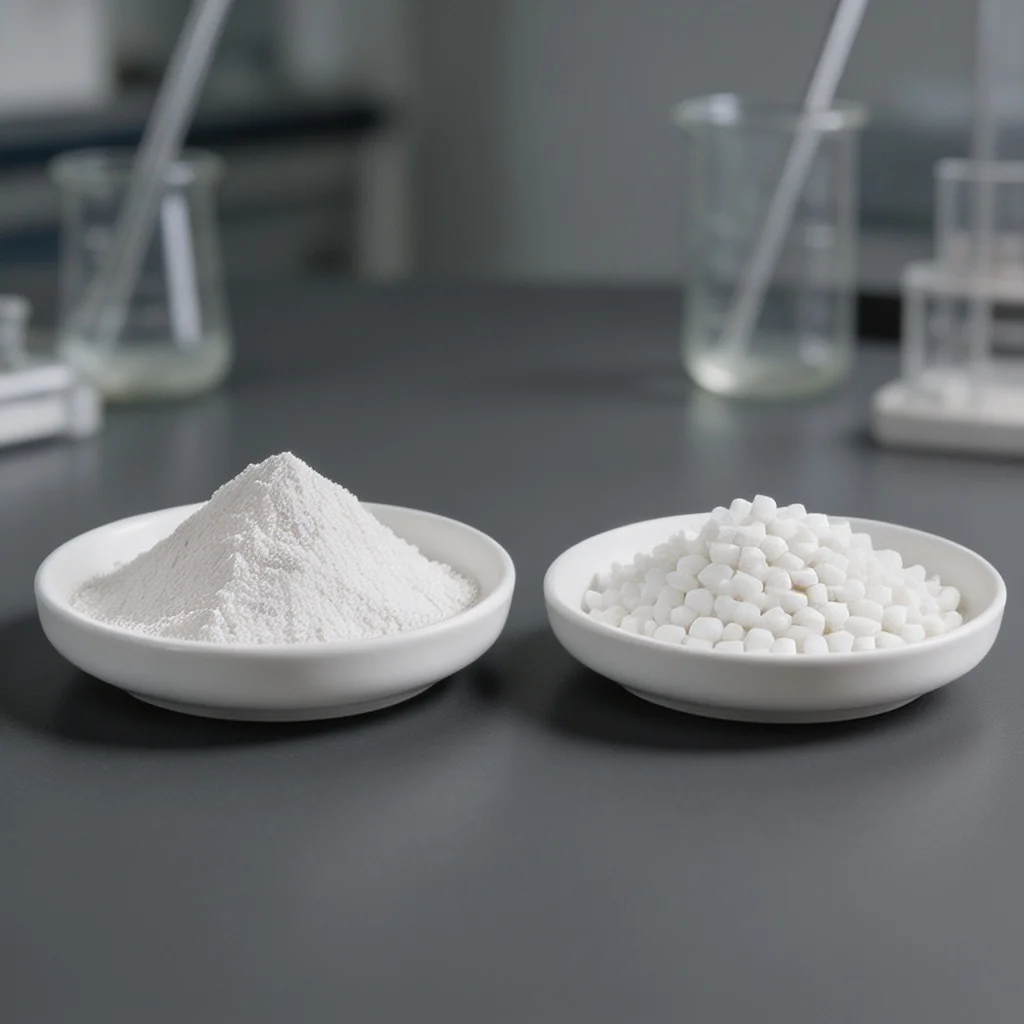
Identify the proposed powder role and the material properties the formulation needs. The actual model labels are premium product and standard product, so specify the intended option and request evidence for that material rather than assuming a performance difference from its name.
Define the particle and chemical data needed for acceptance
Request current assay and individual impurity measurements relevant to the project. Obtain measured particle-distribution data and confirm whether surface treatment is present, with documentation linking those details to the offered sample.
- State the actual polymer formulation and material acceptance requirements.
- Identify the premium or standard model under consideration.
- Review model-linked analysis and relevant formulation-trial observations.
Use formulation results to assess compatibility and properties
A superfine description does not establish polymer compatibility, dispersion or reinforcement. Evaluate the powder in the actual system against the required observations, without treating the light or precipitated designation as a finished-property guarantee.
Paint, papermaking and building materials are additional listed directions and require their own relevant assessments. Review current safety information and record the model identity with the powder measurements and application results, so any selection follows the material and formulation actually evaluated.