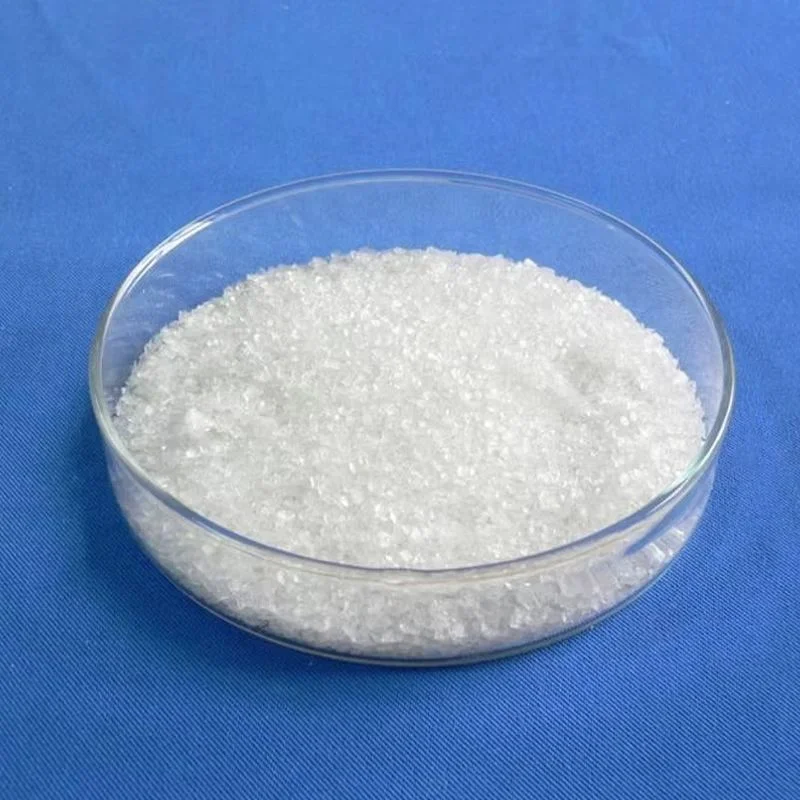
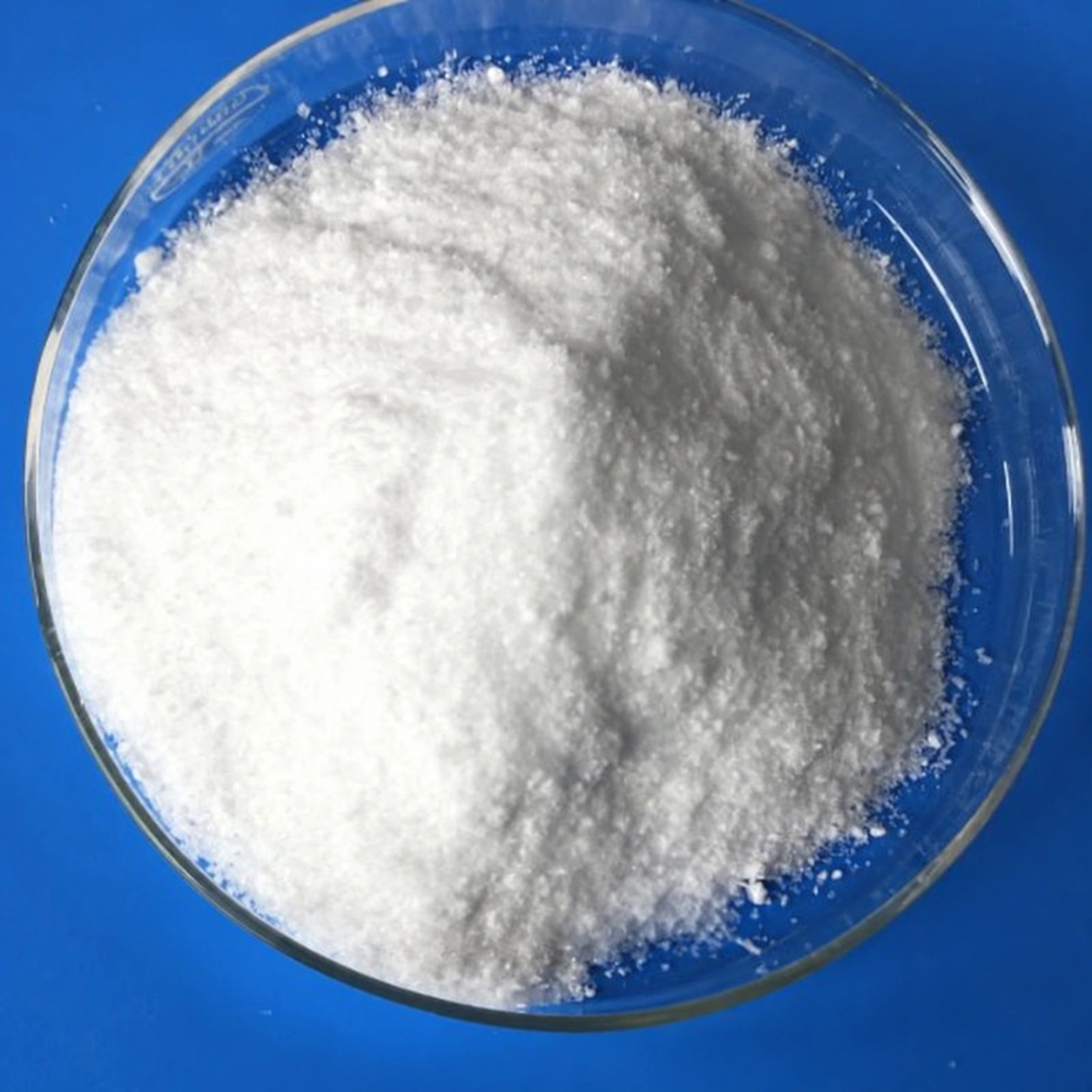
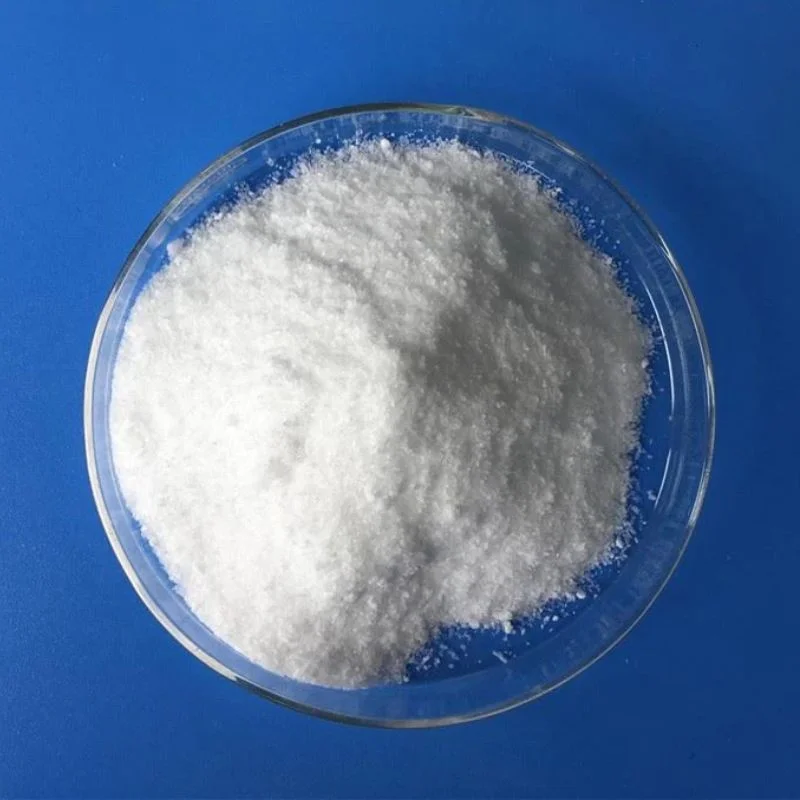
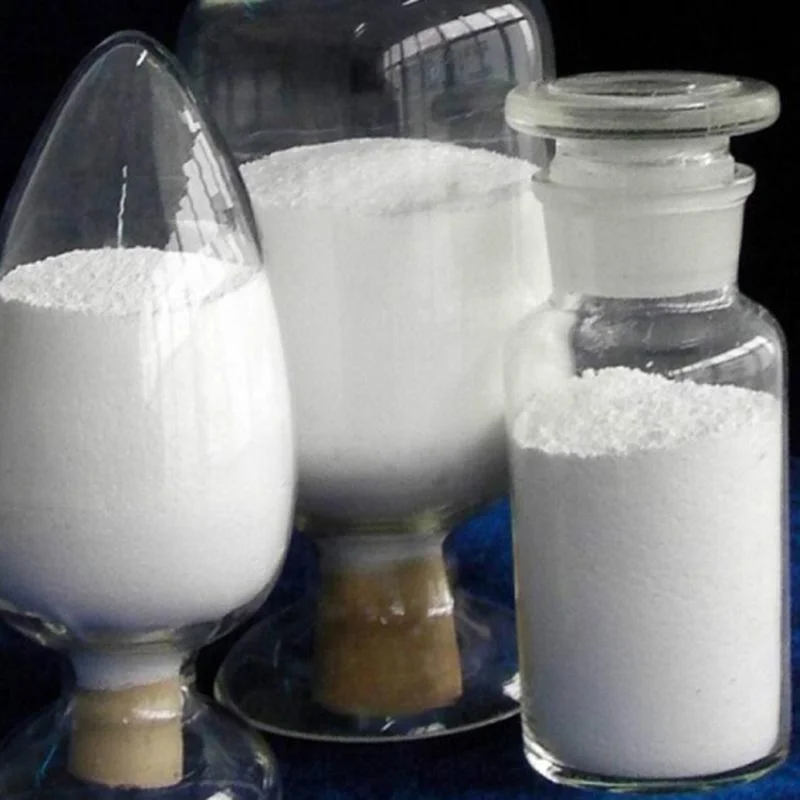
Sodium Acetate Anhydrous TY-Sodium Acetate, 99%, for Textile Dyeing and Printing Enquiries
-
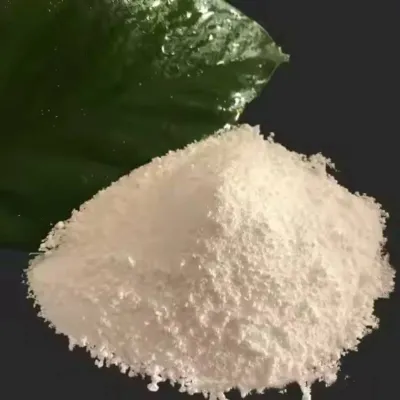
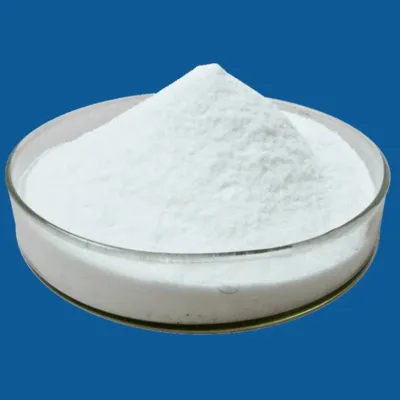
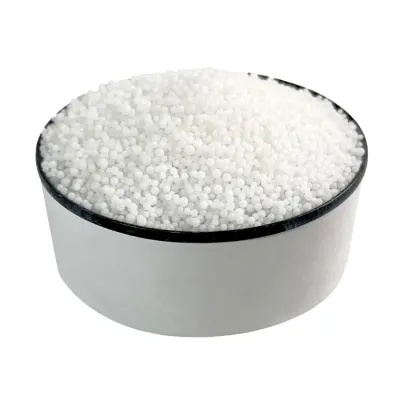
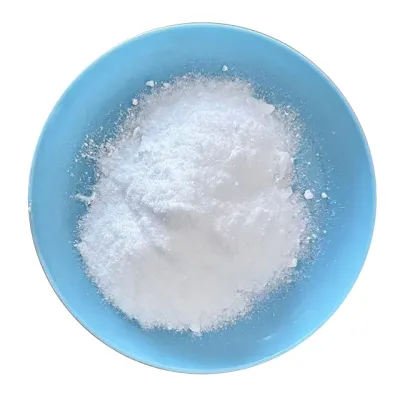
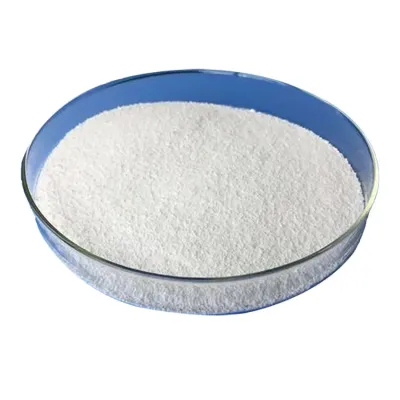
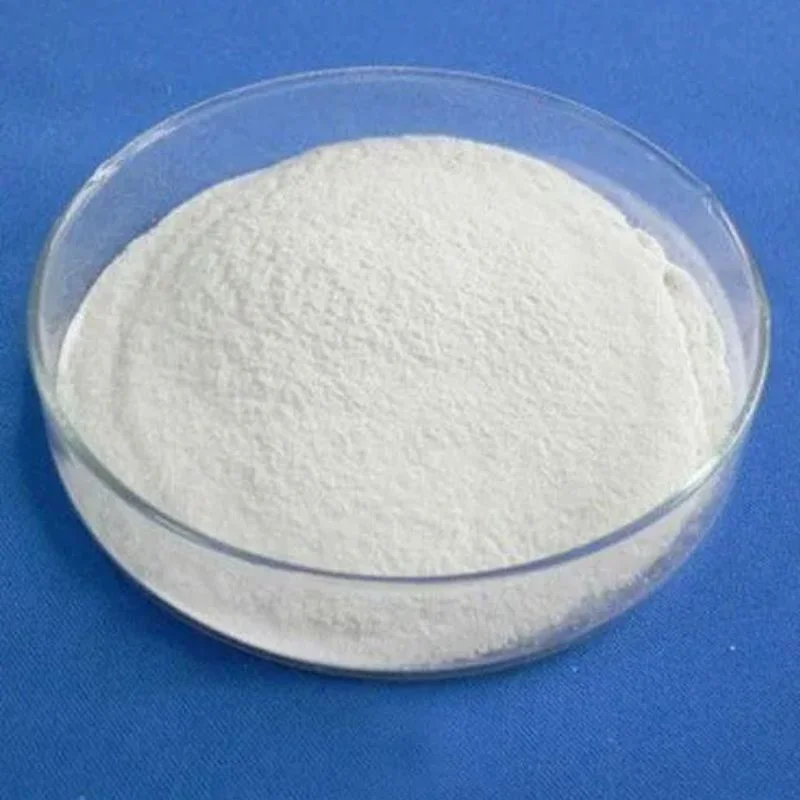
ColorWhitePhysical formCrystalline
-
CAS No.127-09-3Purity99%
-
AppearanceWhite crystalApplicationWater Treatment, Food Additives, Textile Dyeing, P
-
Intended useIndustrial UseEINECS No.204-823-8
-
Molecular FormulaCH3COONaOther NamesAnhydrous Sodium Acetate
-
TypeOtherProduct NameSodium Acetate Anhydrous
-
Molecular Weight82.03Melting Point324°C
-
Density1.53 g/cm³SolubilityEasily Soluble in Water
-
MOQ1 MTPackaging25kg Bag, 500kg Bag, 1000kg Jumbo Bag
-
Supply Ability3000 MT per MonthSampleAvailable
-
CertificateCOA, MSDS, TDS, ISO
Textile dyeing and printing projects need a material enquiry tied to the actual substrate and process. TY-Sodium Acetate is an industrial-use sodium acetate anhydrous described as white crystals. Its formula is CH3COONa, with stated purity of 99%.
Describe the textile system and the trial objective
Identify the substrate and the intended dyeing or printing process before requesting a sample assessment. Agree the measurements used to judge whether the material meets the project requirements. A general textile-use description does not predict colour, fastness or compatibility with a particular dye system.
Review current anhydrous acetate composition
Ask for sample-linked identity, purity and relevant constituent analysis. Confirm any moisture information needed to compare the anhydrous material on a consistent basis. Keep those records together with the actual model and sample identity throughout the evaluation.
Keep physical properties distinct from textile process settings
The reported melting point is 324°C and density is 1.53 g/cm³. Request the methods behind these figures before using them for material comparison. They do not specify a textile bath temperature, pH or addition rate.
- Define the textile substrate and agreed acceptance measures.
- Review current composition and physical sample information.
- Assess the actual material within the intended process.
The crystals are reported as easily soluble in water, without a stated dissolution time. Obtain applicable technical and handling documents, and qualify water-treatment enquiries separately against their own process criteria before final selection.