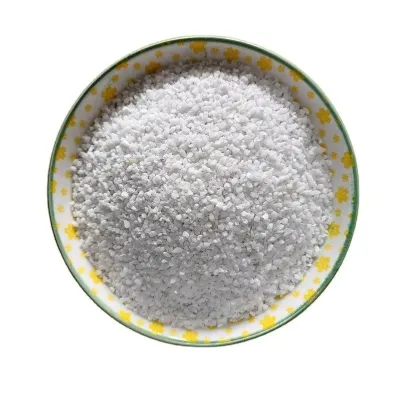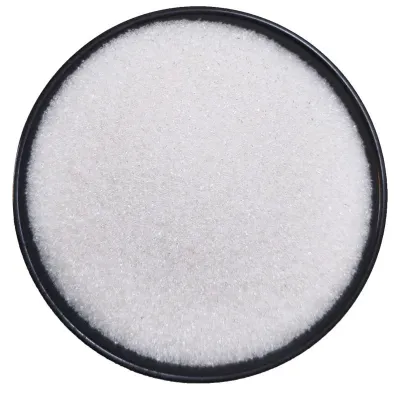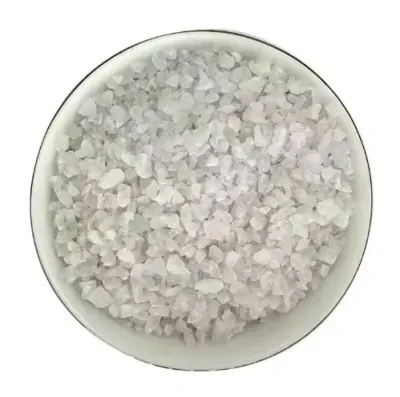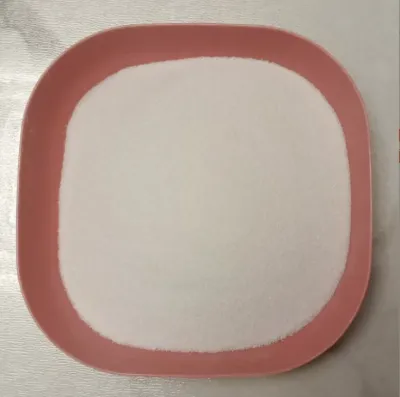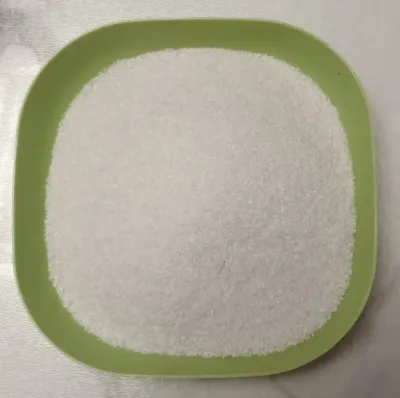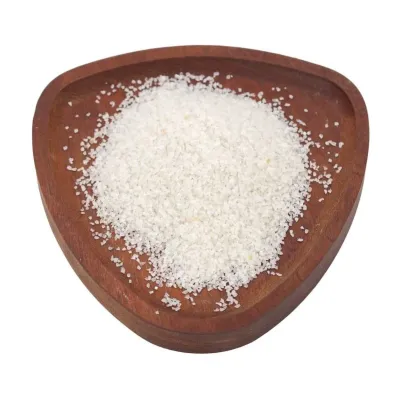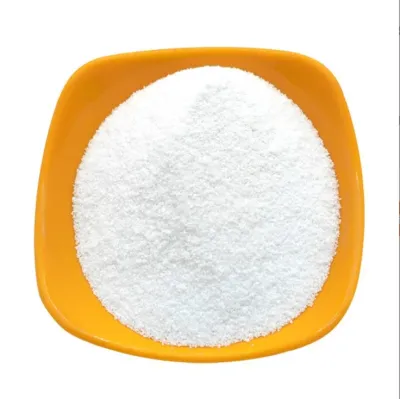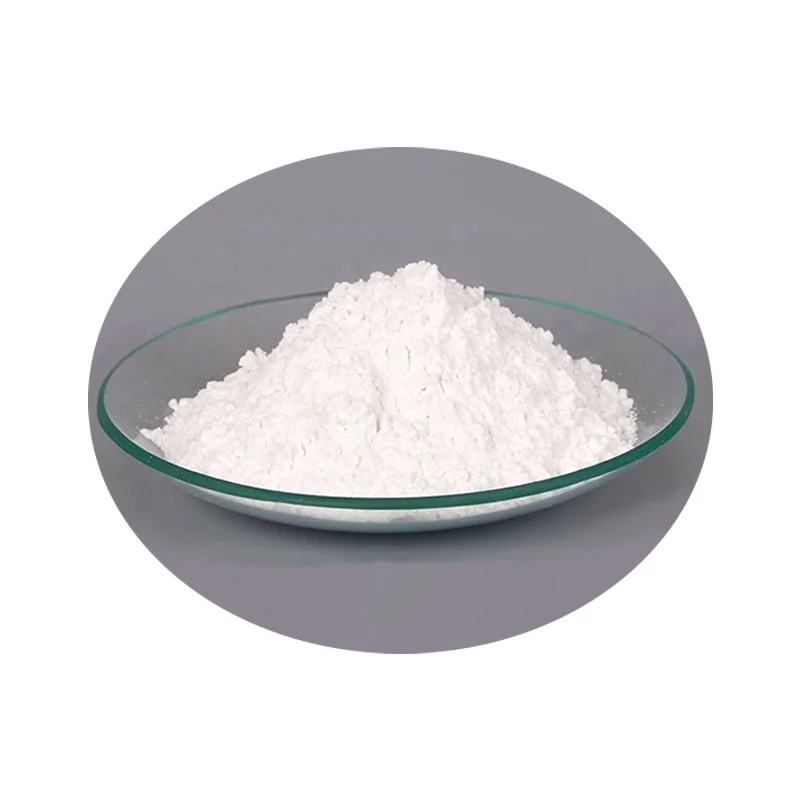
Strontium Carbonate SrCO3 99.2% Minimum Industrial Powder for Ferrite Magnets, Ceramics and Glass
-
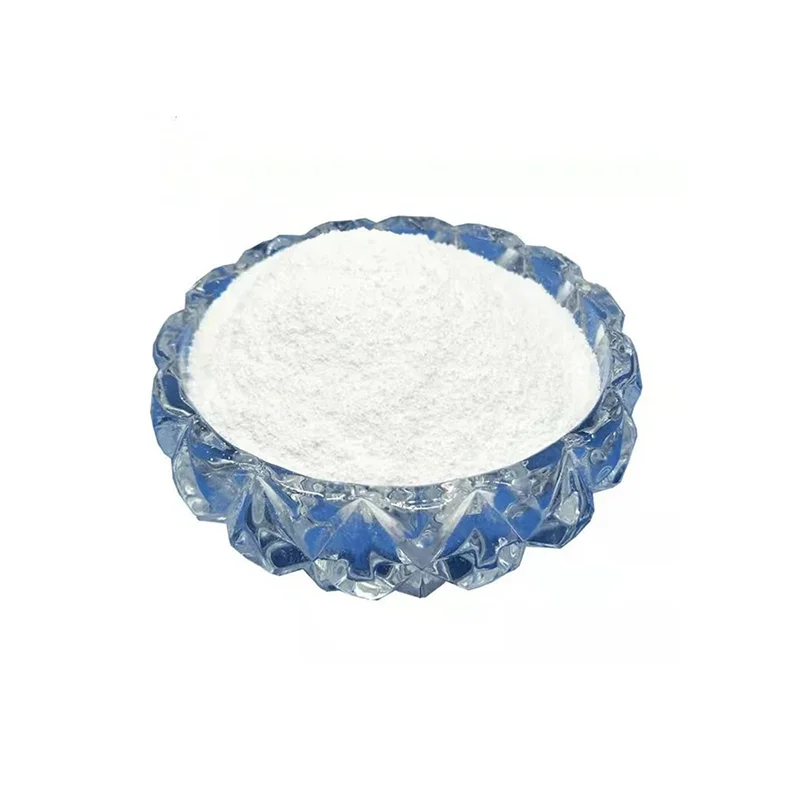
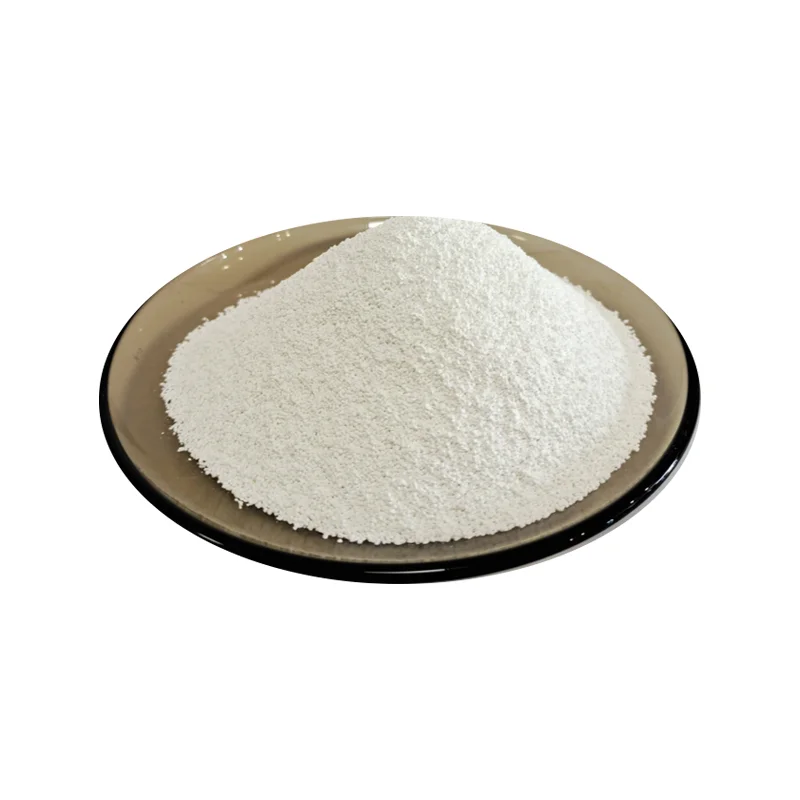
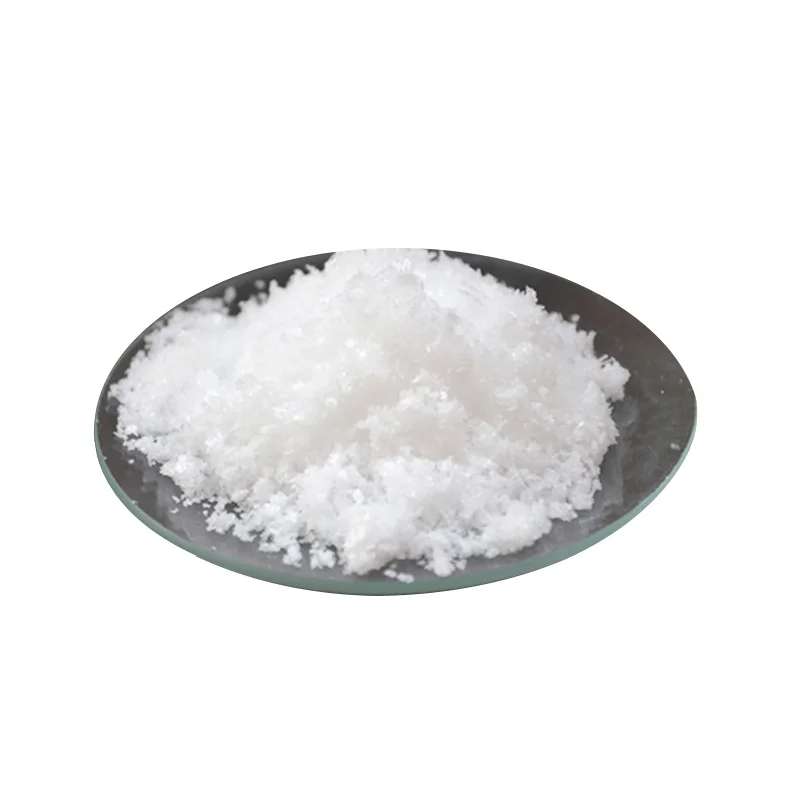
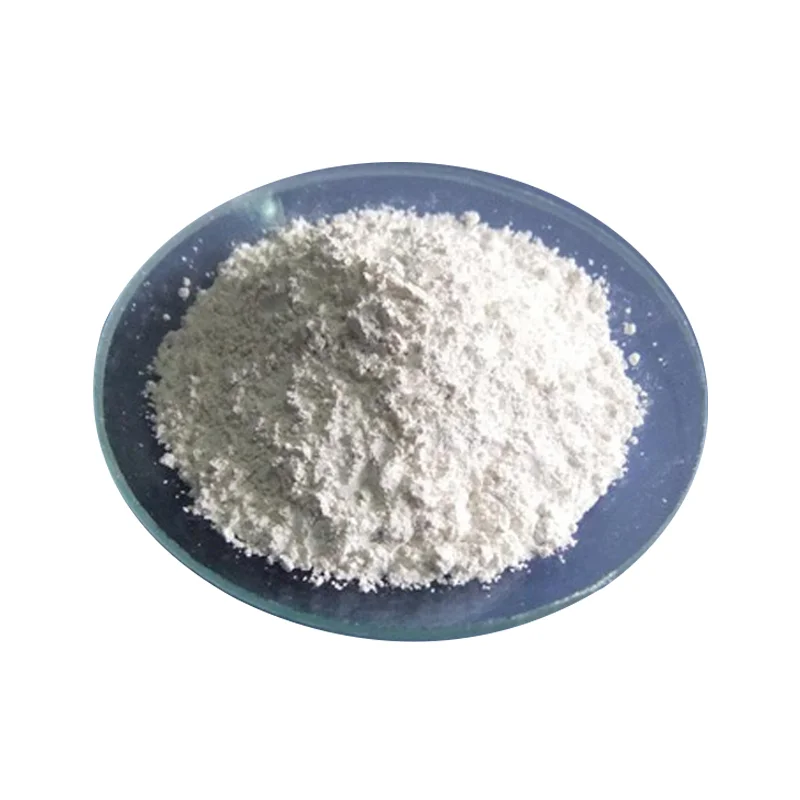
ColorWhitePhysical formPowder
-
CAS No.1633-05-2Purity99.2% min
-
AppearanceWhite PowderApplicationceramics, glass, fireworks, electronics
-
ClassificationCarbonateEINECS No.216-643-7
-
Grade StandardIndustrial GradeMolecular FormulaSrCO3
-
Other NamesCarbonic Acid Strontium SaltTypeOther
-
Product NameStrontium CarbonateMolecular Weight147.63
-
HS Code2836920000Density3.5-3.8 g/cm³
-
pH Value9.0-10.5SolubilityInsoluble in Water, Soluble in Dilute Acids
-
Packaging25kg PP Woven Bag with PE LinerPackaging Option500kg / 1000kg Jumbo Bag
-
SampleAvailiableShelf Life24 Months
Ferrite-magnet and ceramic projects need a carbonate enquiry that identifies the actual composition requirements. This industrial white strontium carbonate powder is specified as SrCO3 with stated minimum purity of 99.2%. Glass and electronic-material work are additional identified evaluation contexts.
Set the ferrite or ceramic composition brief
Request current analysis and define the constituent limits that matter to the intended process. A minimum assay does not describe every remaining constituent. Review the full report against the project's material requirements before deciding which sample should enter a trial.
Check density and pH using declared methods
The stated density is 3.5–3.8 g/cm³ and pH is 9.0–10.5. Obtain the density measurement basis and pH preparation procedure for the actual powder. Compare results only when the methods and sample conditions are appropriate to the proposed assessment.
Ask for particle evidence before process qualification
Request the complete particle distribution and measurement method rather than inferring fineness from white powder appearance. Describe the ferrite, ceramic or glass process and the finished-material tests required. The chemical identity and assay do not establish magnetic, optical or electronic performance.
Keep the acceptance decision specific to the project
Associate the current composition, particle and physical-property reports with the exact sample tested. Evaluate it under the intended process and review the agreed results. Any other application requires its own requirements and evidence; a broad use name does not replace that qualification. Request applicable documentation before final acceptance.