Technical Sodium Metasilicate Pentahydrate Granules, 99%, for Ceramic Manufacturing Enquiries
-
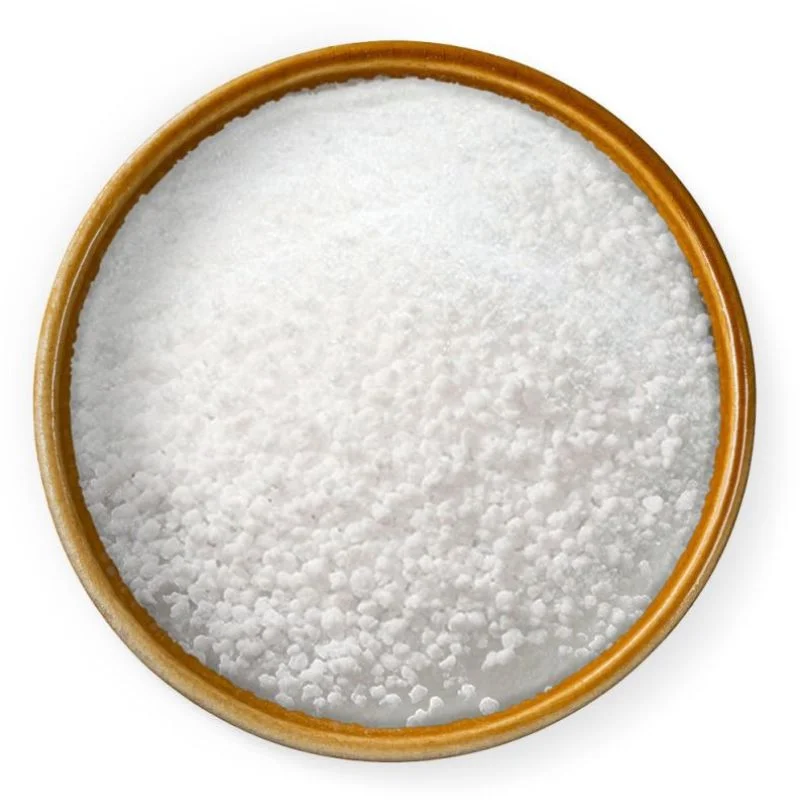
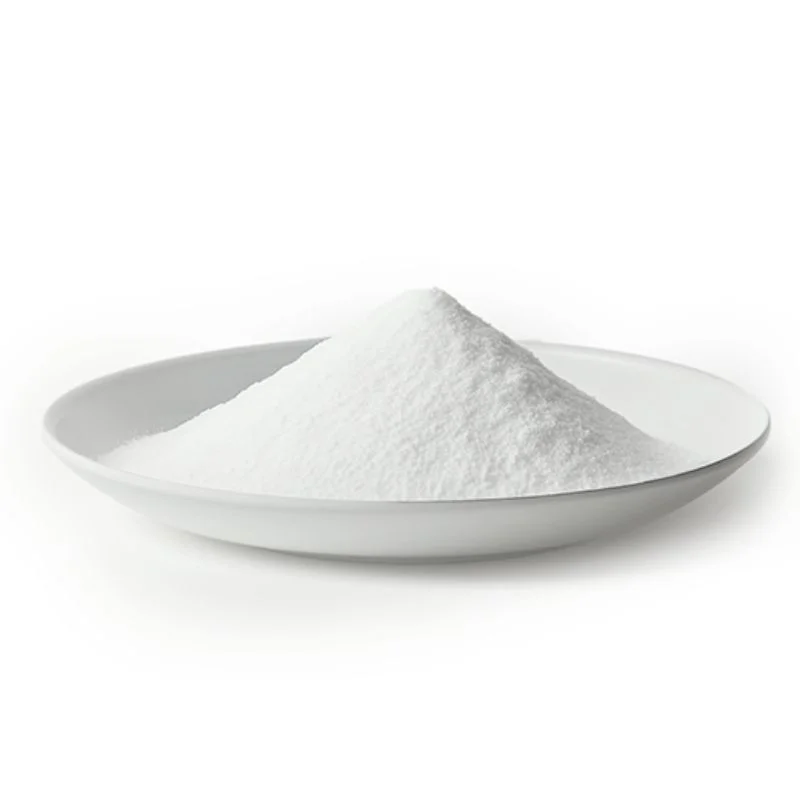
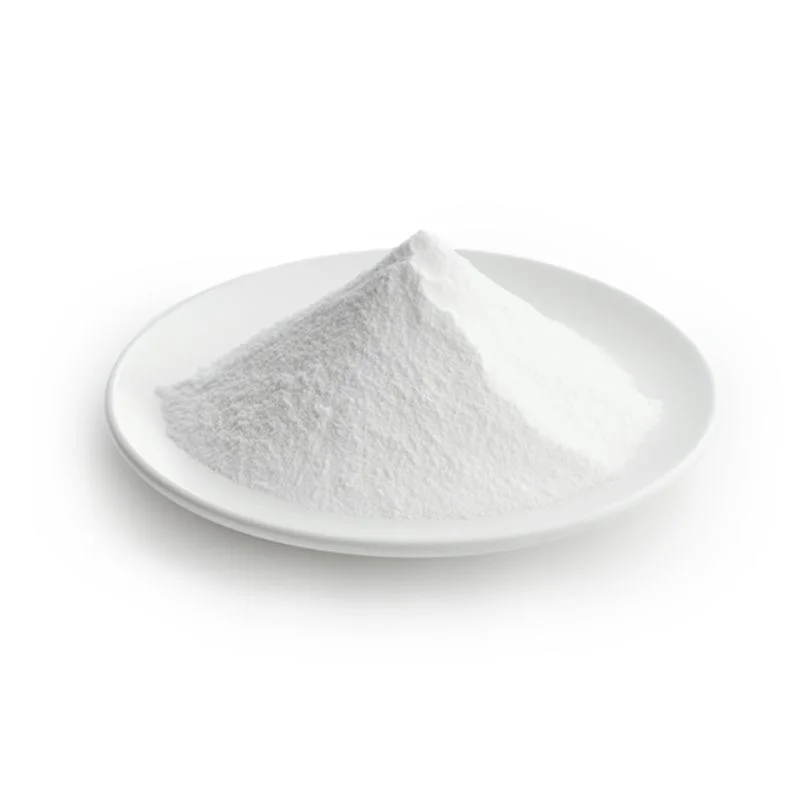
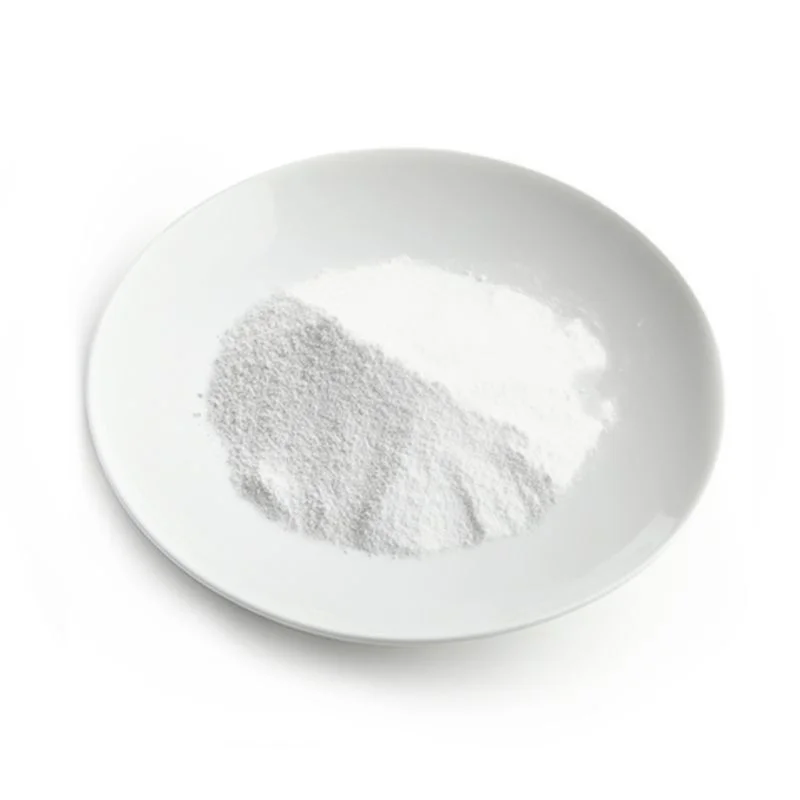
ColorWhitePhysical formGranular
-
CAS No.10213-79-3Purity99%
-
AppearanceWhite granuleApplicationDetergent, Textile, Ceramics, Water Treatment, Met
-
ClassificationSilicateEINECS No.229-912-9
-
Grade StandardIndustrial GradeMolecular FormulaNa2SiO3*5H2O
-
Other NamesDisodium Metasilicate PentahydrateMolecular Weight212.14
-
HS CodeHS CodeSolubilityEasily Soluble in Water
-
Na2O Content28.5%-30.0%Supply Ability5000 MT per Month
-
Packaging25kg PP Bag, 1000kg Jumbo BagShelf Life24 Months
-
StorageStore in Cool, Dry and Well-Ventilated PlaceSampleAvalible
-
CertificateCOA, MSDS, TDS, ISO
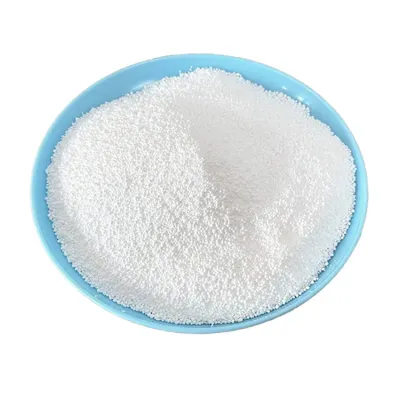
A ceramic manufacturing enquiry should identify where the material will enter the process and which result the trial must assess. This sodium metasilicate pentahydrate is described as industrial white granules. Its stated formula is Na2SiO3*5H2O, with purity of 99% and Na2O content of 28.5–30.0%.
Identify the ceramic stage before selecting the sample
Describe the intended formulation and the process stage being evaluated. Agree the relevant measurements and acceptance criteria before testing begins. A ceramic application label alone does not establish dispersion, viscosity, firing behaviour or finished-product strength.
Keep hydrate identity attached to the analysis
Request current documents that identify the pentahydrate and the actual granules provided for evaluation. Confirm the reporting basis for purity and sodium oxide content, together with any particle information needed by the process. Do not treat the Na2O range as a ready-made operating pH, modulus or addition rate.
Review solubility within the proposed preparation procedure
The material is reported as easily soluble in water. Define the concentration, mixing procedure and assessment endpoint for the actual trial rather than assuming a dissolution time. Keep those conditions with the sample record so the observations can be compared meaningfully.
Discuss the intended ceramic assessment when requesting technical and handling documents. Review current material analysis alongside the controlled process results before final selection. Detergent, textile and water-treatment projects need their own acceptance criteria and should be evaluated separately using the material actually supplied.