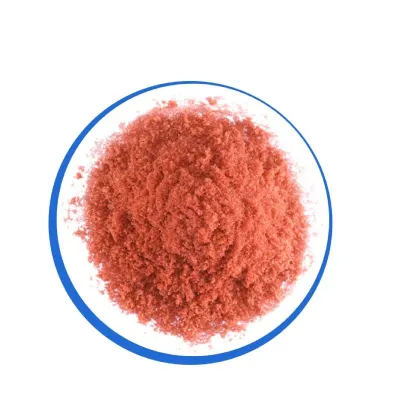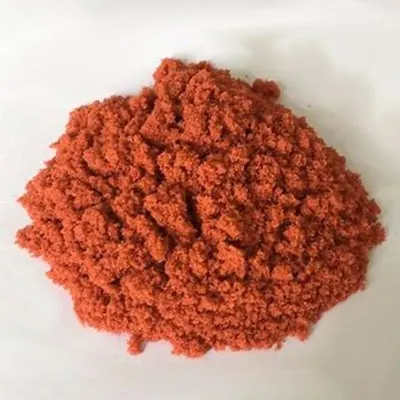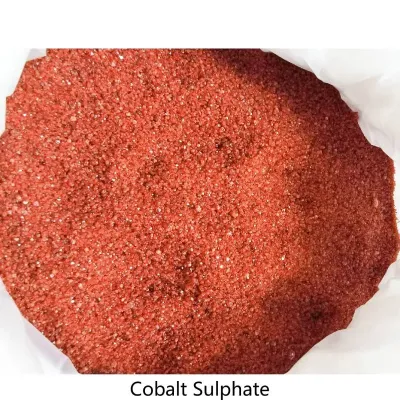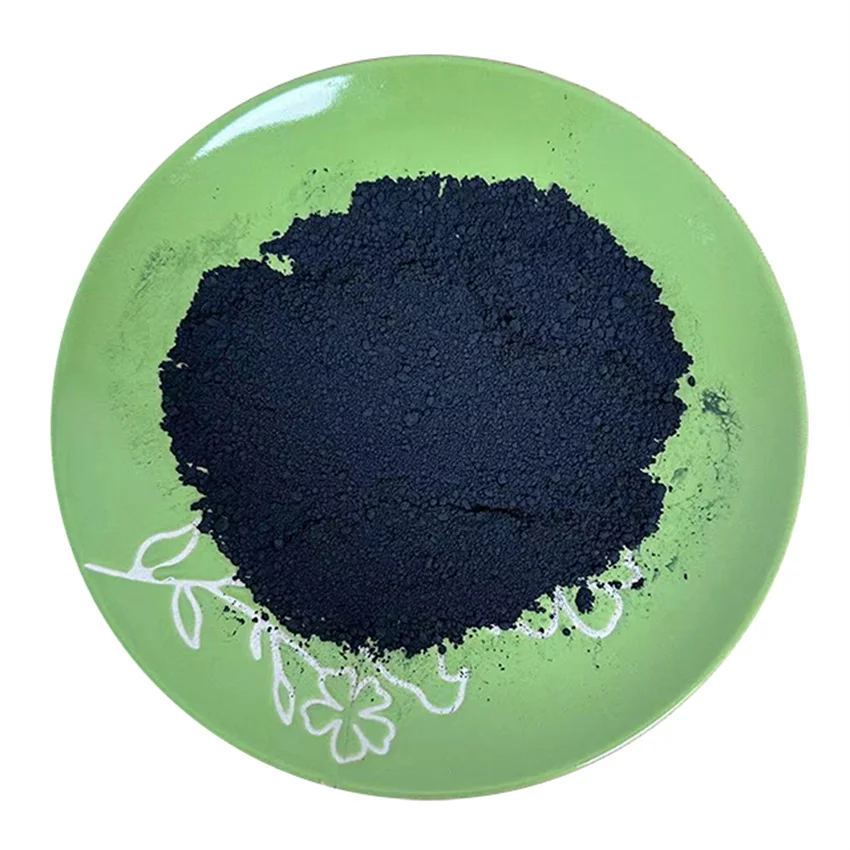
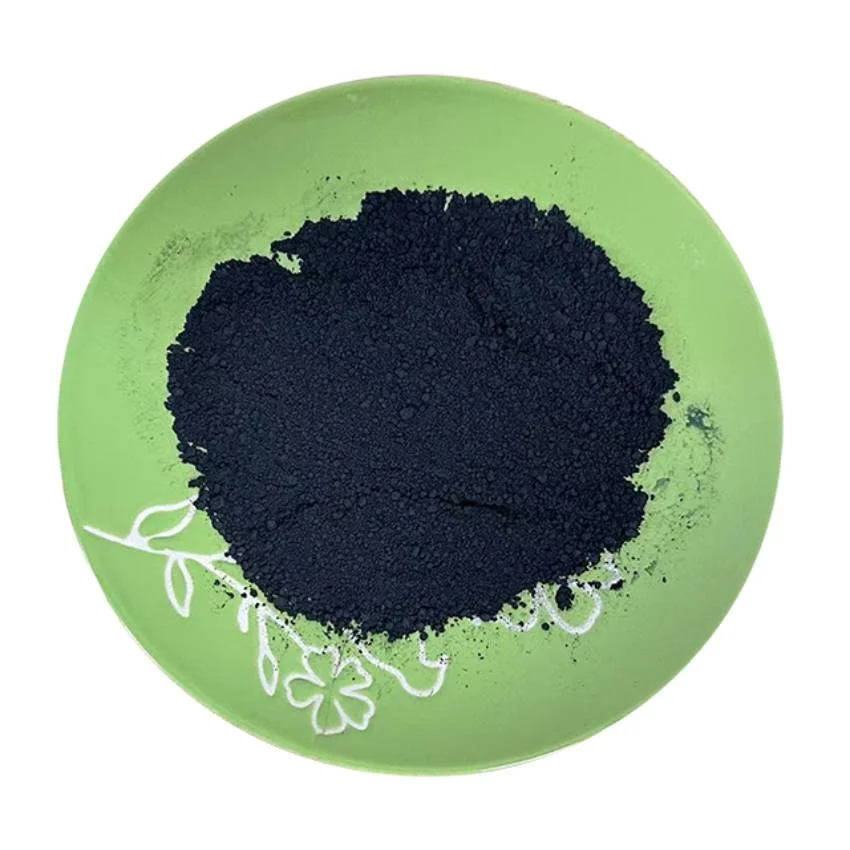
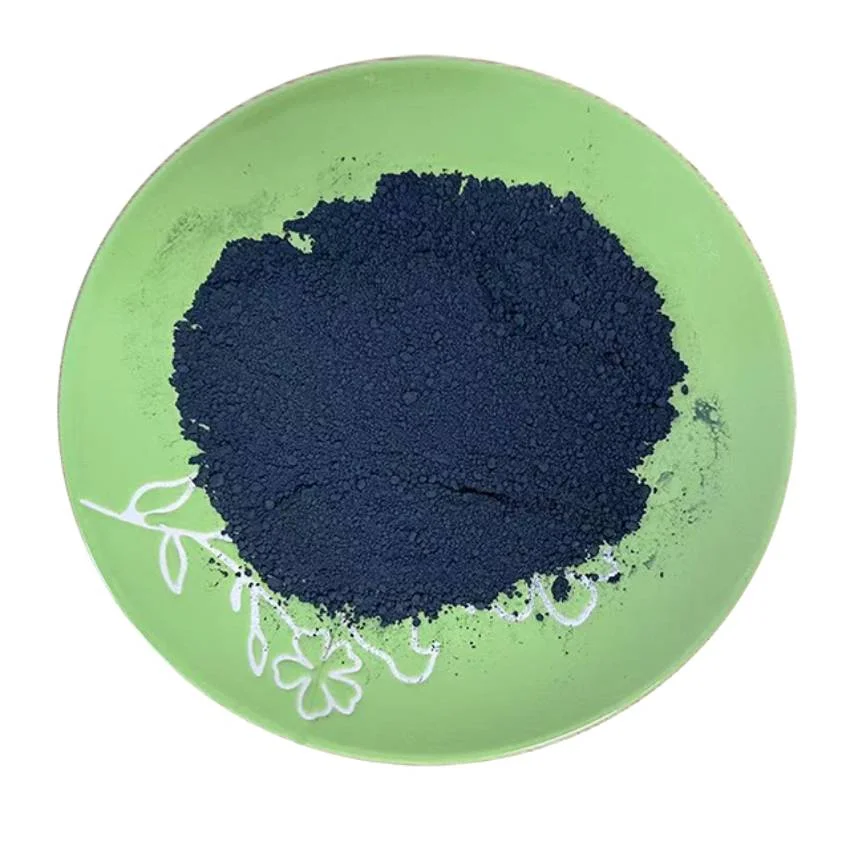
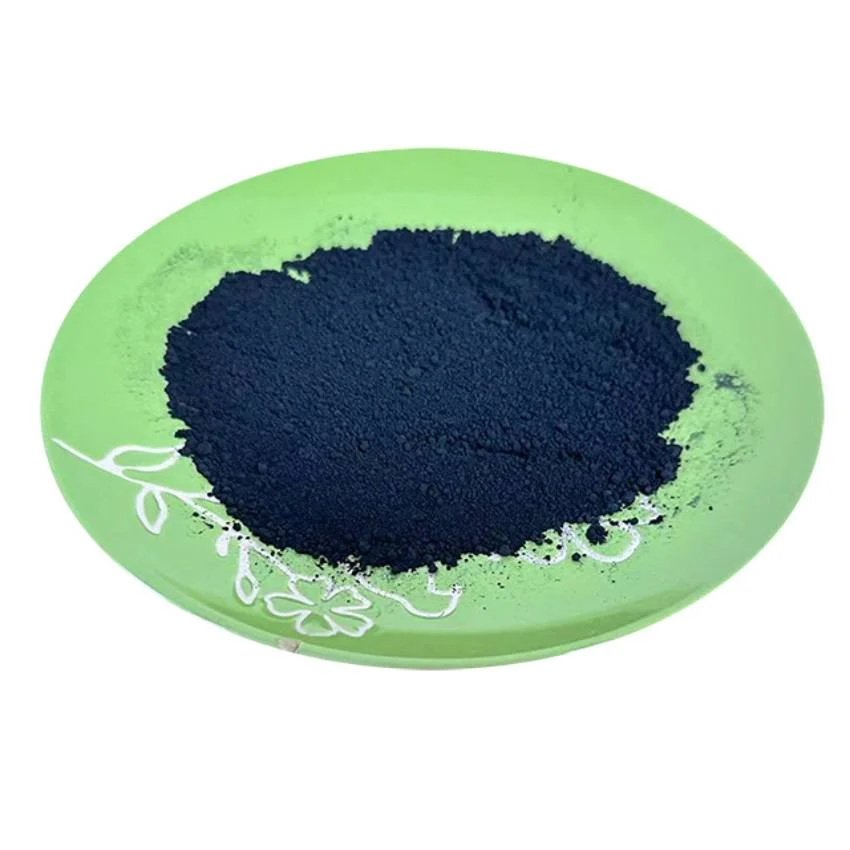
TY-Cobalt Oxide Industrial Black Powder for Ceramic-Glaze Phase and Composition Enquiries
-
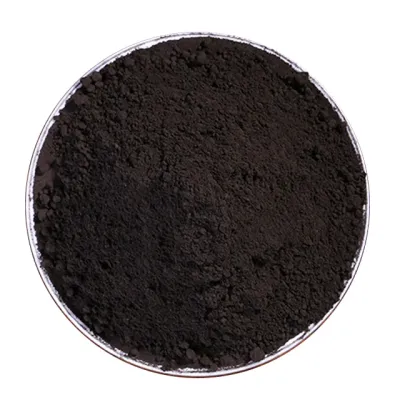
ColorBlackPhysical formPowder
-
CAS No.1307-96-6Purity99%
-
AppearanceBlack PowderApplicationLithium Battery Materials, Ceramic Pigments, Glass
-
ClassificationCobalt OxideEINECS No.215-154-6
-
Grade StandardIndustrial GradeMolecular FormulaCoO
-
Other NamesCobalt Monoxide / Cobalt TetroxideOxide TypeMetal Oxides
-
Molecular Weight74.93SolubilityInsoluble in Water
-
Density6.44 g/cm³MOQ1 MT
-
Packaging25kg Bag, 500kg Bag, 1000kg Jumbo BagSupply Ability500 MT per Month
-
SampleAvailableCertificateISO, COA, MSDS
A ceramic-glaze project should establish which cobalt-oxide material is being evaluated before judging a colour result. TY-Cobalt Oxide is the actual model for an industrial black powder identified within the cobalt-oxide family. Phase and composition reports are needed for a specific grade decision.
Define the oxide identity required by the glaze
Request phase-identification evidence for the powder and state the material requirement of the project. Confirm that the report relates to the actual sample being considered. Black appearance and a generic oxide name do not specify the chemical phase.
Review the analysis basis before accepting a purity claim
Obtain current composition analysis with the assay definition and relevant constituent results. Compare those results with the intended glaze's requirements. A broad purity description does not establish phase purity or supply the individual impurity limits needed for acceptance.
Test the confirmed material in the actual ceramic system
Describe the formulation and process conditions and agree the finished-material tests. Request particle and applicable physical-property reports for the confirmed oxide. A ceramic-pigment use name does not guarantee a particular shade or processing result.
- What should precede a sample selection?
- Actual phase identification and a current composition report on a defined basis.
- What should determine glaze acceptance?
- The controlled trial and agreed finished-material results for the intended system.
Glass and lithium-battery-material enquiries require their own qualification evidence. Keep the phase, analysis and technical documents linked to the exact sample, and review them before making any phase-specific recommendation.