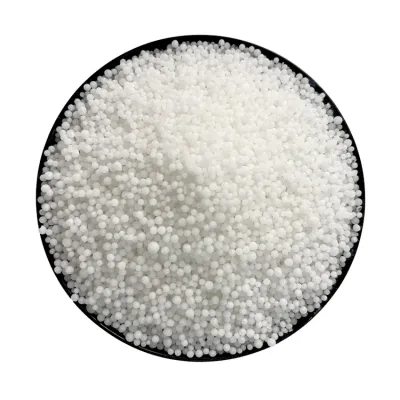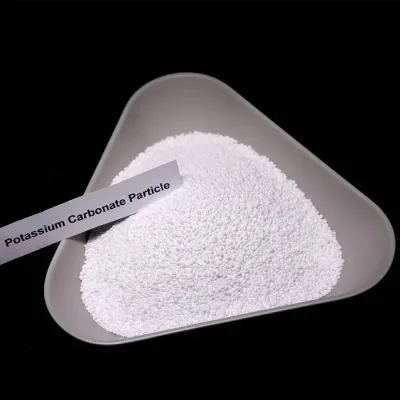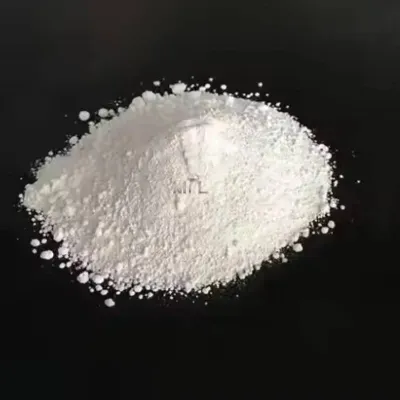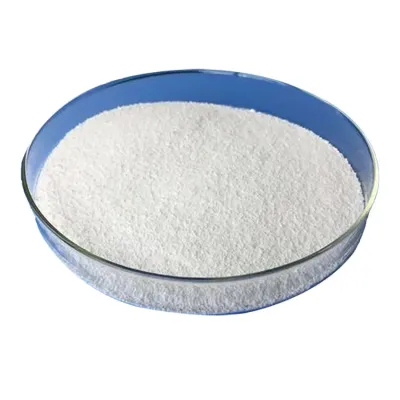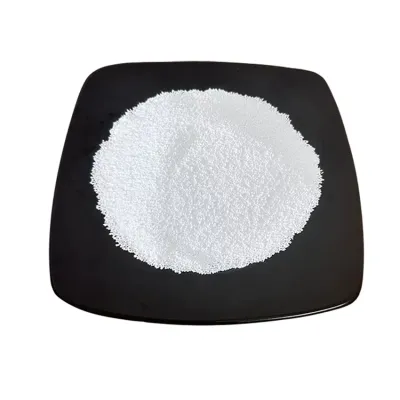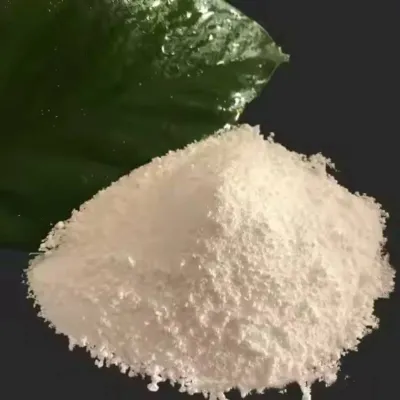
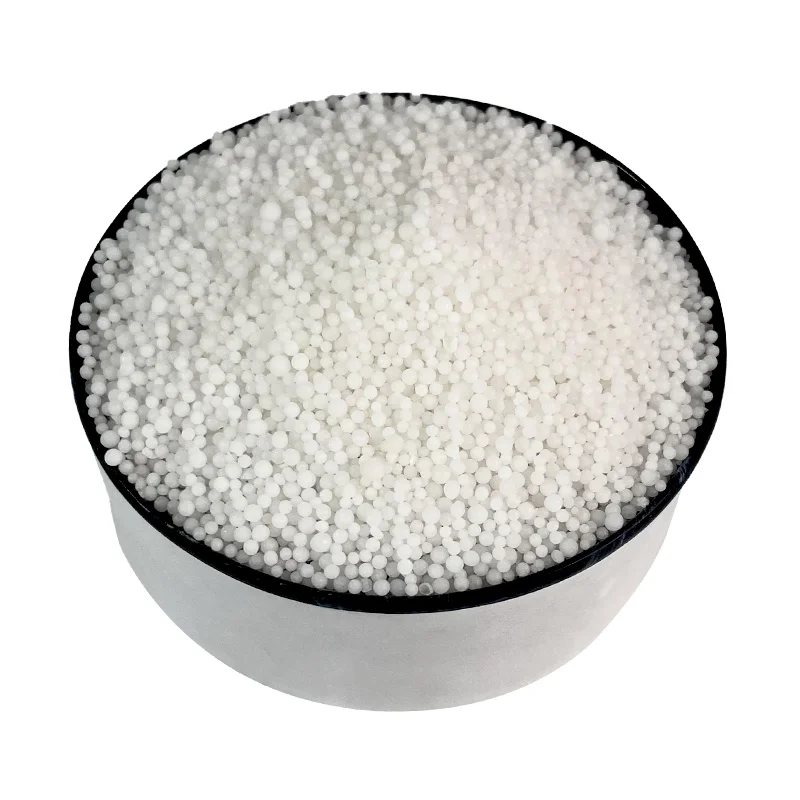
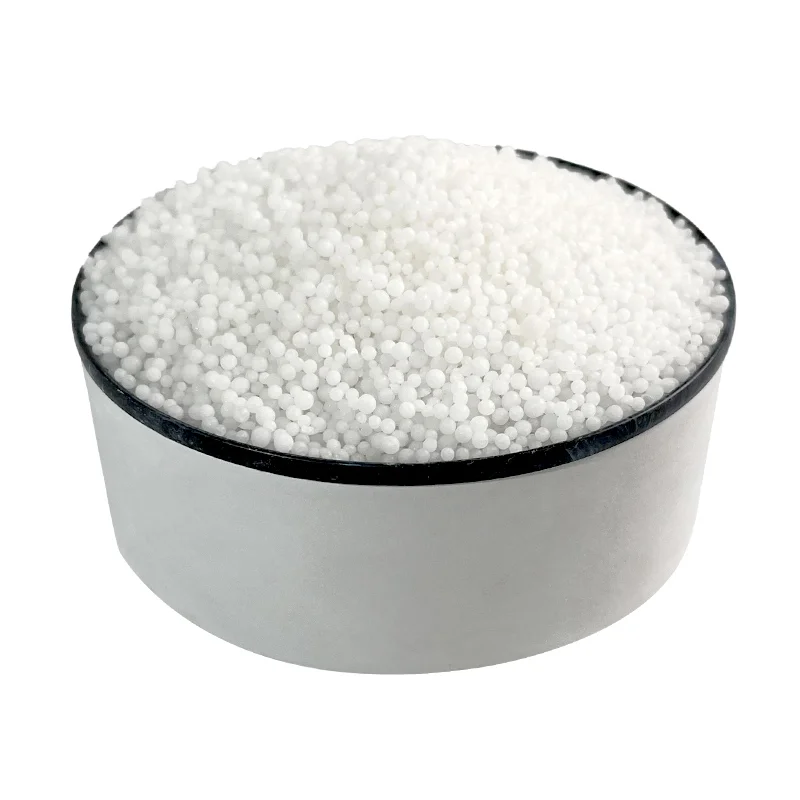
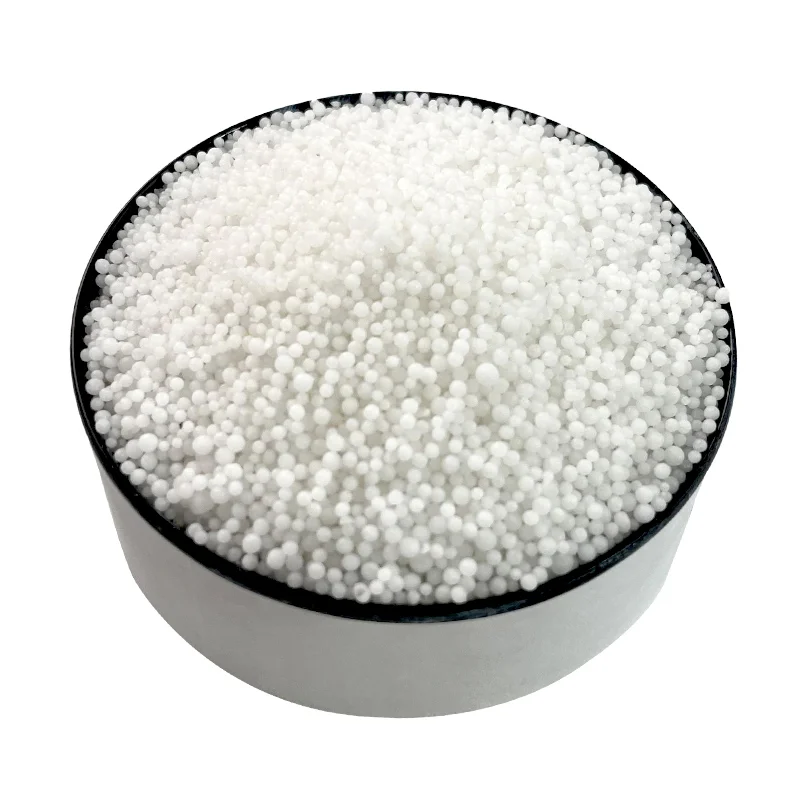
TY-K2CO3 Industrial Potassium Carbonate K2CO3 Powder, 99% Purity, for Technical and Export Enquiries
-
ColorWhitePhysical formPowder
-
CAS No.584-08-7Purity99%
-
AppearanceWhite powderApplicationGlass Manufacturing, Fertilizer, Detergent, Food A
-
ClassificationCarbonateEINECS No.209-529-3
-
Grade StandardIndustrial GradeMolecular FormulaK2CO3
-
Other NamesPotash CarbonateTypePotassium Carbonate, Potassium Carbonate
-
Molecular Weight138.21Density2.43 g/cm³
-
SolubilityEasily Soluble in WaterpH ValueStrongly Alkaline
-
MOQ1 MTPackaging25kg Bag, 1000kg Jumbo Bag
-
Supply Ability5000 MT per MonthSampleAvailable
-
CertificateISO, COA, MSDS, Halal, Kosher (Food Grade)
For an overseas technical enquiry, identify the required material records before reviewing the supply proposal. The specified model is TY-K2CO3: an industrial white potassium carbonate powder, formula K2CO3, with stated 99% purity. Its density is reported as 2.43 g/cm³.
Identify the documents required for the actual project
Describe the intended industrial use and confirm the technical reports needed for the enquiry. Request current analysis associated with the sample that will be evaluated. Export wording alone does not establish current supply availability or the document scope applicable to a particular project.
Compare composition and physical methods before selection
Define relevant constituent limits and obtain particle or moisture reports where needed. Review the density measurement basis before comparing candidate powders. A total assay figure does not describe every impurity or establish the physical requirements of the finished process.
Clarify the reported solution descriptions
The technical-document request should include any measured solution data needed by the receiving project. Current product information describes easy water solubility and strong alkalinity qualitatively. Ask for the concentration, temperature and method if a numerical pH or dissolution-rate criterion forms part of the purchase brief.
- Which uses are identified for evaluation?
- Glass manufacturing, fertilizer and detergent processes.
- What should be confirmed separately?
- Any specialised grade qualification and the actual documentation requirements of the enquiry.
Keep the technical reports linked to the exact TY-K2CO3 sample tested. Review the controlled process results and applicable documents before accepting the material; industrial identity and purity alone do not establish food-grade certification or a guaranteed manufacturing outcome.