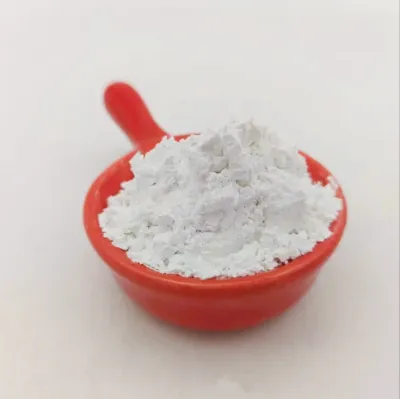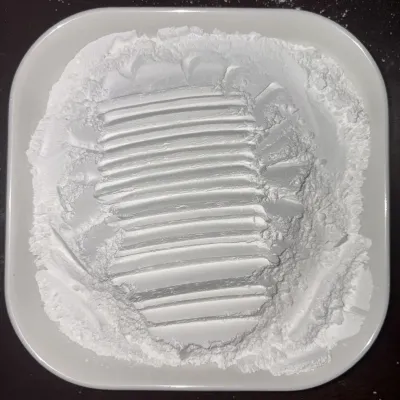
XM-300 Industrial Calcium Carbonate White Powder, D97 3.8μm, Average Size 1.5μm, for Paint and Masterbatch Evaluation
-
Particle-size designationAverage size specified , D97 specifiedColorWhite
-
Physical formMasterbatch , Powder
-
CAS No.471-34-1Purity98%
-
AppearanceWhite PowderApplicationPaint
-
ClassificationCarbonateEINECS No.207-439-9
-
Grade StandardAgriculture Grade, Industrial Grade, Medicine GradeMolecular FormulaCaCO3
-
Other Namescalcium carbonateTypeCalcium Carbonate
-
Model NumberXM-300Product namecalcium carbonate masterbatch
-
D973.8 micronAverage particle size1.5 micron
-
Whiteness97%Colorwhite powder
-
GradeIndustrial Grade Food GradeCertificateISO
-
Usagecalcium carbonate masterbatchPH9±1
-
Loss on ignition43.5
A masterbatch enquiry should identify the actual supplied material as well as the intended formulation. XM-300 is described as an industrial white calcium carbonate powder with D97 at 3.8μm, average particle size of 1.5μm, 97% whiteness and pH 9±1.
Confirm what is supplied for the masterbatch enquiry
Request the actual physical form, composition and any carrier information for the offered material. Obtain a current chemical assay and agreed acceptance limits before approval, so the technical comparison rests on a defined supplied grade.
Keep average size distinct from the upper percentile
Use the stated average and D97 with their measurement methods and request the full distribution. The 1.5μm average is not automatically a D50 value, and the powder's whiteness should be compared on a defined optical method.
- Powder information
- Confirm treatment and the units and conditions for loss on ignition.
- Formulation information
- Identify the paint binder or actual masterbatch system and relevant trial criteria.
Qualify transparency and any special-grade requirement
Measure transparency in the intended formulation before attributing a clarity benefit to the material. Food, medical or agricultural enquiries need their own applicable qualification evidence, and any ISO requirement needs documents with a clear scope.
Include the supplied-form question and requested grade reports with the enquiry. A confirmed chemical and physical specification followed by a relevant trial makes the XM-300 comparison useful without an assumed carrier, purity or optical-performance guarantee.