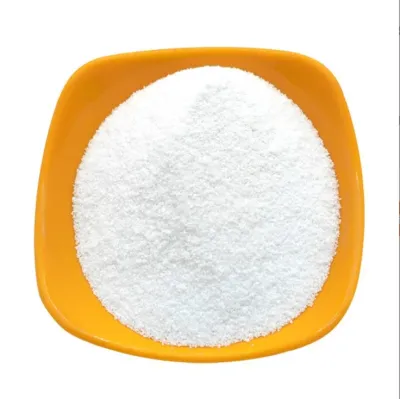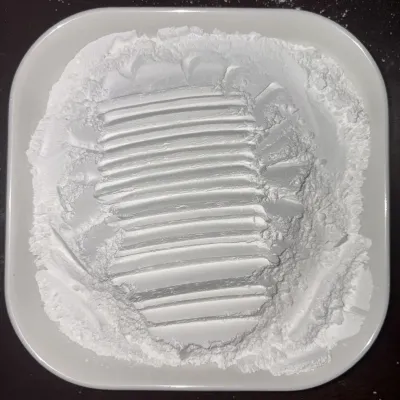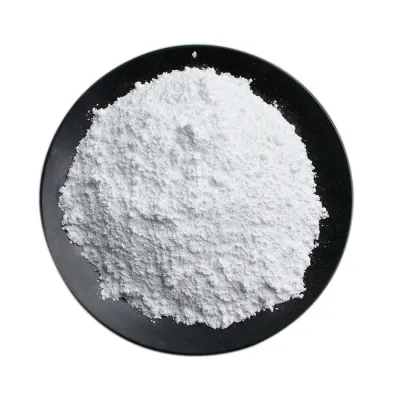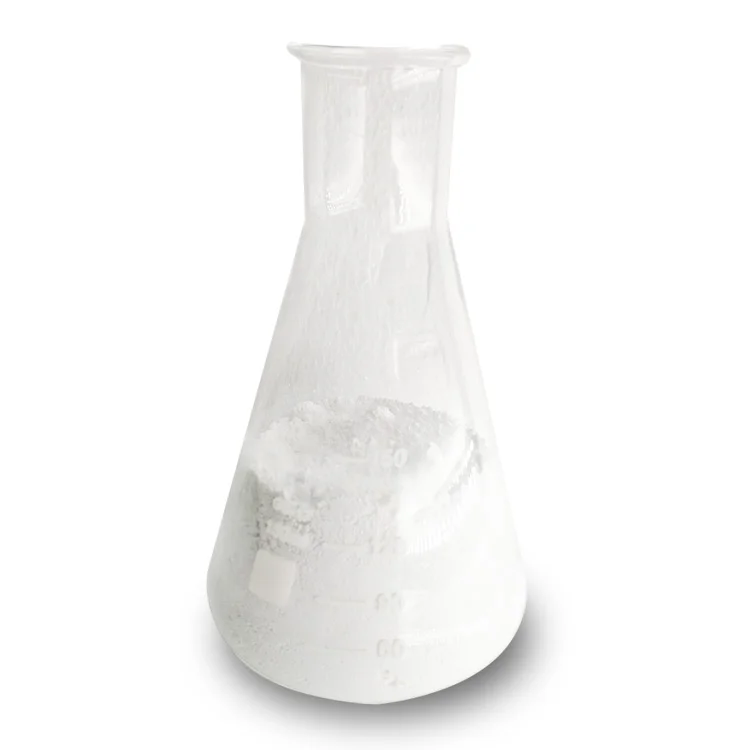
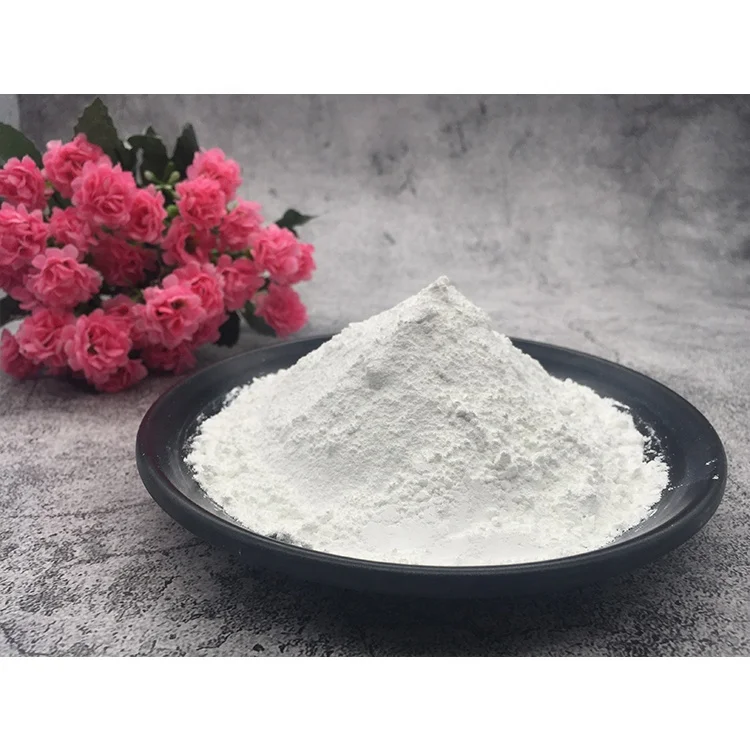
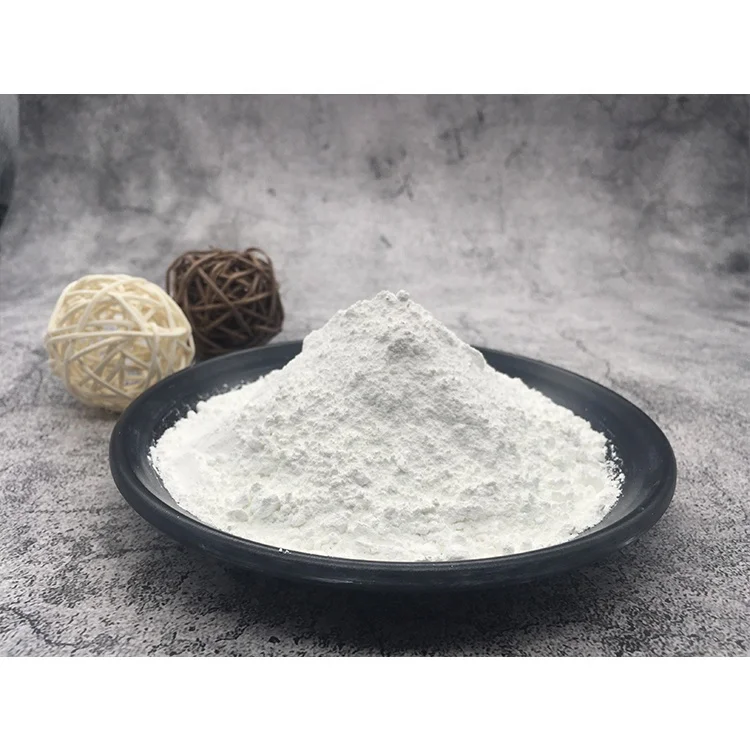

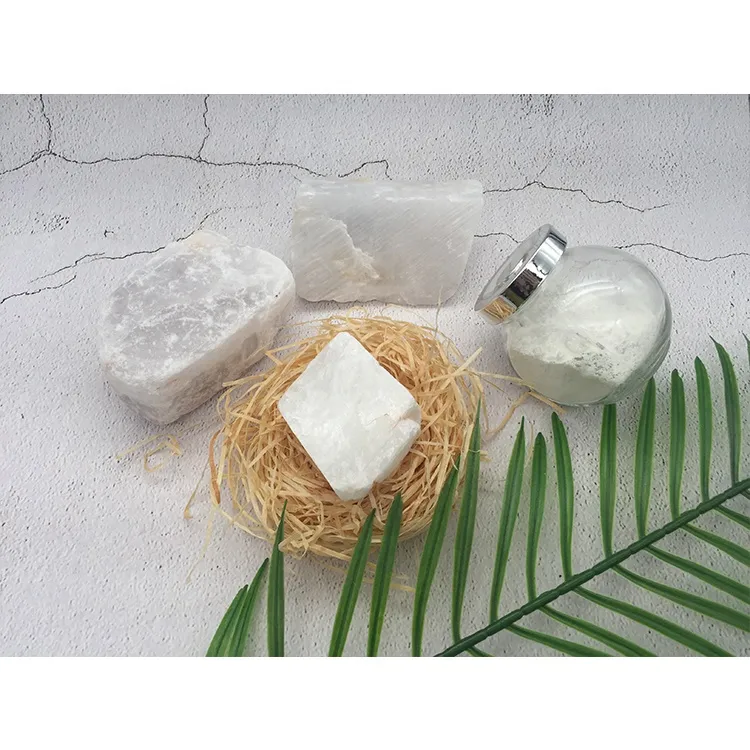
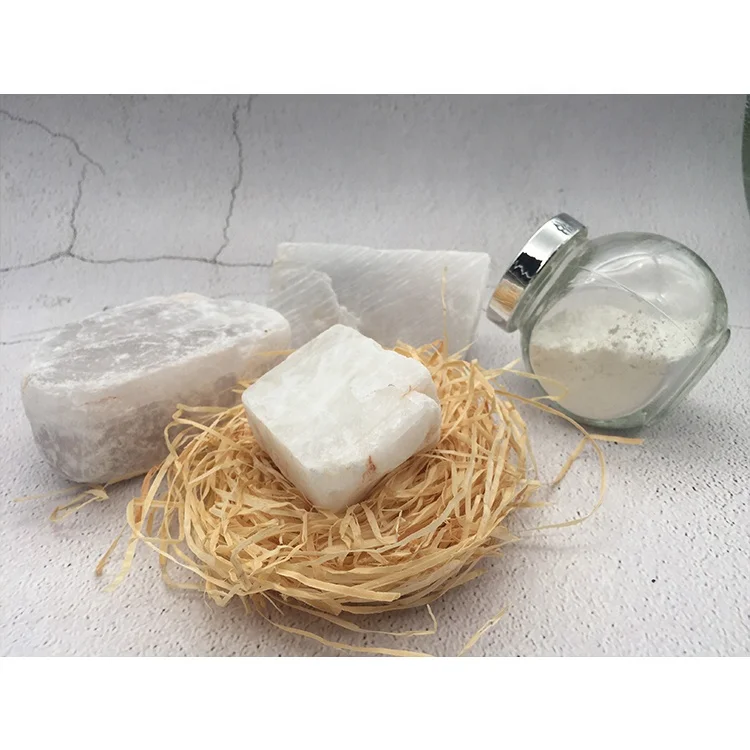
XM-400 Heavy Calcium Carbonate Industrial White Powder, 98.5% Purity, 1000 Mesh, for Film Filler-Masterbatch Trials
-
Particle-size designationAverage size specified , Mesh designationColorWhite
-
Physical formMasterbatch , Powder
-
CAS No.471-34-1Purity98.5%
-
AppearanceWhite PowderApplicationcaco3 filler masterbatch
-
ClassificationCarbonateEINECS No.207-439-9
-
Grade StandardIndustrial GradeMolecular FormulaCaco3
-
Other Namescalcium carbonateTypeCalcium Carbonate
-
Model NumberXM-400Product nameheavy calcium carbonate
-
HS code28365000ColorPure White
-
GradeIndustrial GradeCertificateISO
-
Usagecaco3 filler masterbatchD9714.8
-
Average particle size5.5Whiteness97
-
ph8.5+-1
A film-masterbatch enquiry should define both the carbonate powder and the polymer system that will use it. XM-400 is an industrial white heavy calcium carbonate with 98.5% purity, a 1000-mesh designation and pH 8.5±1 for material evaluation.
Ask what the active designation means
Request the actual treatment or activation specification for the offered XM-400. The active label identifies a qualification question, but it does not establish a particular treatment agent or compatibility with every polymer carrier.
Complete the particle and colour definitions
Obtain unit-defined D97 and average-particle measurements, plus the whiteness scale and method. Keep the 1000-mesh designation separate from those measured dimensions, and confirm its applicable standard before using it for a grade comparison. Confirm the pH method for the stated 8.5±1 tolerance.
- Powder requirement
- Agree the chemical limits, particle specification and actual treatment.
- Masterbatch requirement
- Identify the carrier and the film-process acceptance criteria.
Evaluate the actual film-masterbatch system
Define the intended carrier and process conditions before assessing the carbonate in a relevant trial. Obtain applicable ISO scope if certification is required, and measure the processing or optical properties that matter to the finished film rather than inferring them from purity or mesh.
Include the model, assay and requested treatment/particle documents with the enquiry. A complete powder report followed by a matched carrier trial makes the XM-400 comparison practical without an assumed activation chemistry or universal film-performance guarantee.