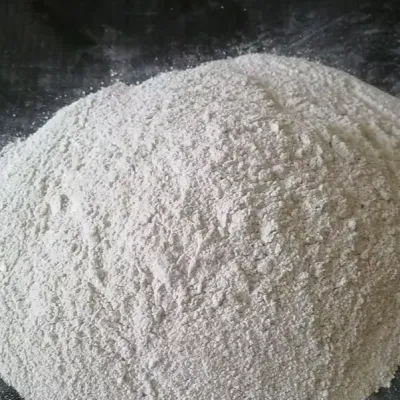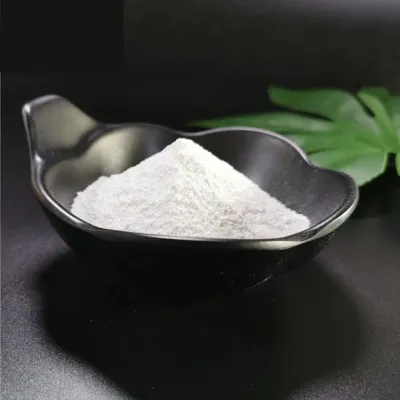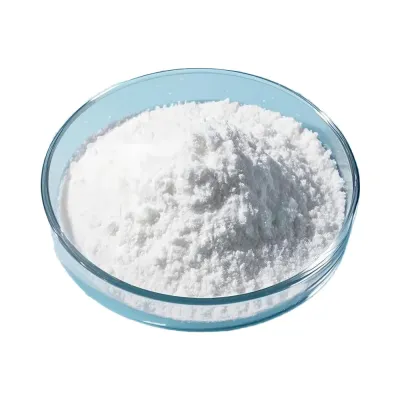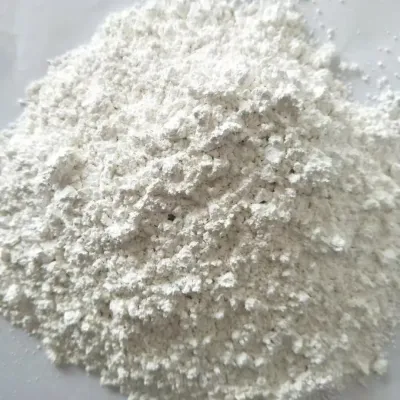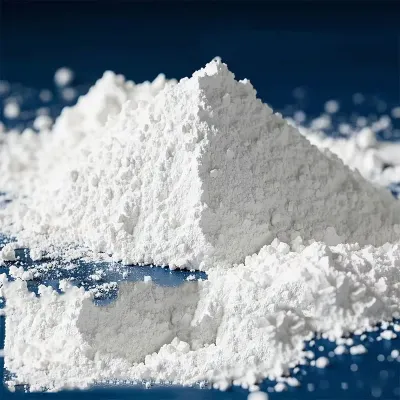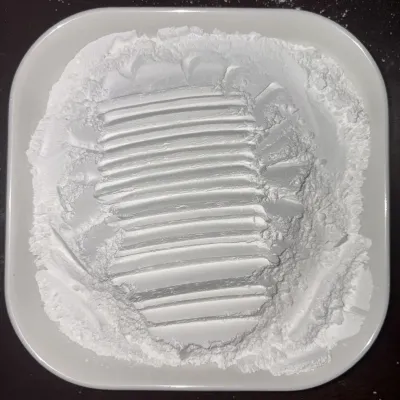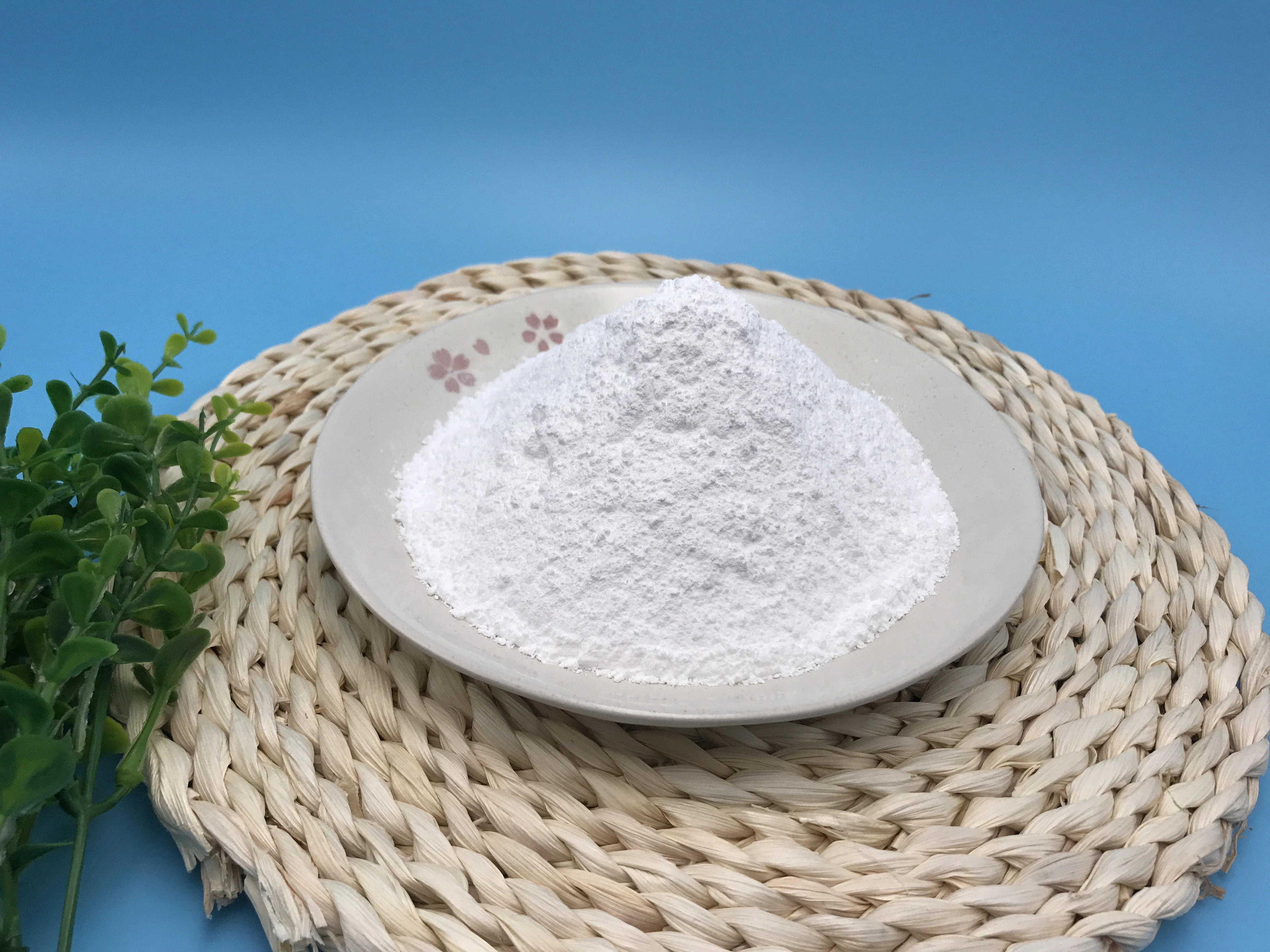
XM-A001 Industrial Titanium Dioxide Pigment, 96–98.5% TiO2 Powder for Paint, Plastics, Coatings and Printing Ink
-
ColorWhitePhysical formPowder
-
CAS No.13462-67-7Purity96%~98.5%
-
Model NumberXM-A001Appearancewhite Powder
-
Applicationplastic coating paint printing inkClassificationTitanium Dioxide
-
Grade StandardIndustrial GradeMolecular FormulaTiO2
-
Other Namestio2CertificationISO9001
-
HS code3206111000Package25kg/bag
-
PH Value6.5-8.5TiO2 Content96~98.5%
-
Oil Absorption21~26Residue on sieve 45 μm %0.03~0.05
-
Matter volatile at 105°C %0.3~0.5Tinting strength %95~109
-
SampleFreely Provided
XM-A001 is a titanium dioxide powder for industrial pigment evaluation across paint, coatings, plastics and printing ink. Its 96–98.5% TiO2 content provides an assay range for the material comparison, while the finished formulation still needs to establish the optical result that matters to the project.
Content is one part of XM-A001 selection
A TiO2 percentage answers a chemical-content question rather than a hiding-power question. For XM-A001, compare the assay alongside the required crystal phase, surface treatment and dispersion conditions before deciding how closely it matches a current pigment.
Read the sieve result in its own terms
The powder has a 0.03–0.05% residue range on a 45μm sieve and 0.3–0.5% volatile matter at 105°C. Those are specific raw-material measurements; they do not describe a complete particle distribution or predict the appearance of an ink or coated surface.
- Technical discussion
- Identify XM-A001, the receiving resin or binder and the relevant pigment acceptance tests.
- Document request
- Ask for current chemical identification, batch analysis and the grade's treatment specification.
Choose the formulation trial before substitution
The pH range of 6.5–8.5 adds another measured comparison point for XM-A001. Paint, plastic and printing-ink trials should each use conditions appropriate to that formulation, because an application name alone cannot establish identical performance across matrices.
A sample enquiry can focus on the XM-A001 grade and its intended industrial system. Use the sample evaluation to settle the optical and dispersion questions left open by the chemical assay, then define the pigment specification around that result.