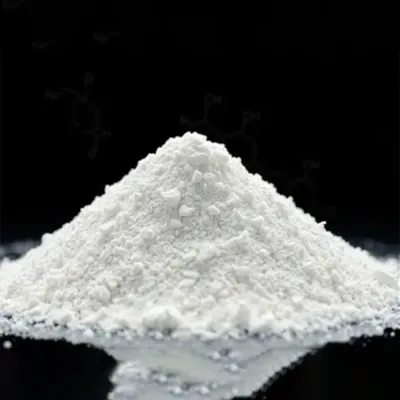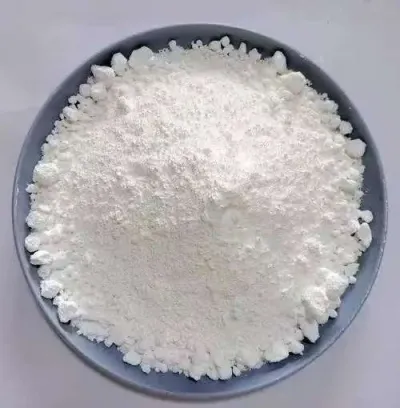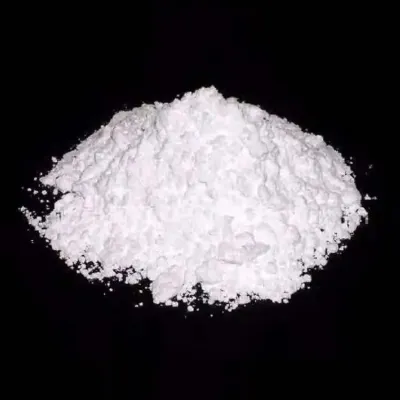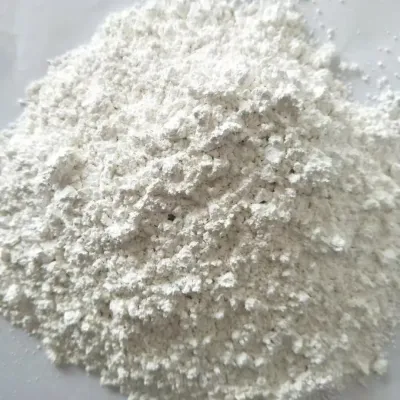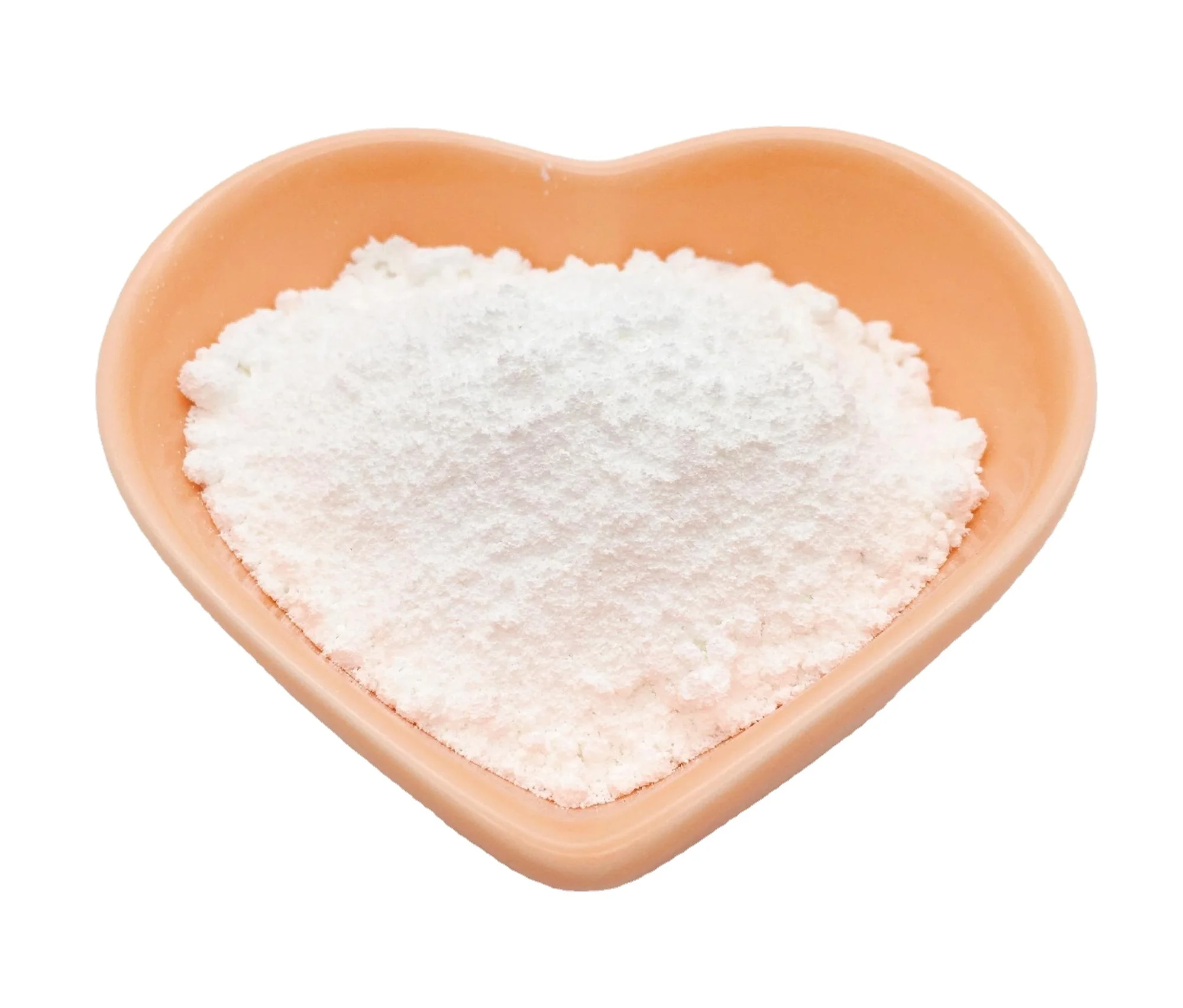
XM-B311 Lithopone Zinc Sulfide and Barium Sulphate Inorganic Coating Pigment, 30% Minimum ZnS
-
CAS No.1345-05-7Model NumberXM-B311
-
EINECS No.215-715-5Molecular FormulaZnSBaSO4
-
Other Nameswhite pigmentStyleInorganic Pigment
-
TypeZINCUsageCoating Pigment, Ink Pigments, Plastic & Rubber Pigment, Leather Pigments
-
ApperanceWhite PowderTotal Zinc & BaSO499%
-
Ph Value6.0-8.0105℃ Volatile Matter(max %)0.3
-
Zinc Sulfide Content(min %)30Oil Absorption,g/100g12
-
Tinter Reducing PowerBetter than SampleWater Soluble Matters (ppm)max%0.3
XM-B311 lithopone is a white inorganic pigment identified as zinc sulfide and barium sulphate, with a minimum zinc-sulfide content of 30%. Its coating enquiry should assess the actual pigment composition and physical criteria together with the intended binder's optical requirements.
Define the XM-B311 composition criteria
The minimum 30% ZnS criterion should be confirmed through a current product-specific analysis and relevant impurity limits. Request the analytical basis for any combined-content requirement rather than treating the pigment name or a total-content label as a complete specification of each constituent.
Use the absorption and volatile-matter tests precisely
Oil absorption is 12 g/100g, while volatile matter at 105°C has a maximum of 0.3%. Agree the applicable methods and conditioning before comparing grades, and use the pH range of 6–8 with a defined preparation rather than inferring processing behaviour from any single value.
- Optical comparison
- Specify the reference and measurement needed to assess tinting or reducing performance in the actual coating.
- Powder requirements
- Request the measured particle criteria and relevant treatment information for the offered pigment.
- Soluble-material criterion
- Obtain an unambiguous unit, limit and method where the project specifies water-soluble matter.
Qualify lithopone in each intended matrix
Ink, plastic, rubber and leather pigmentation are also identified directions, with separate formulation requirements for each. A result in one matrix does not establish equivalent dispersion, appearance or compatibility in another, so use representative trials and current technical and safety documents.
For an XM-B311 coating comparison, define the binder and the relevant optical and process tests before sample approval. Let the confirmed composition and measured pigment criteria support that actual trial rather than relying on an undefined better-than-sample claim.