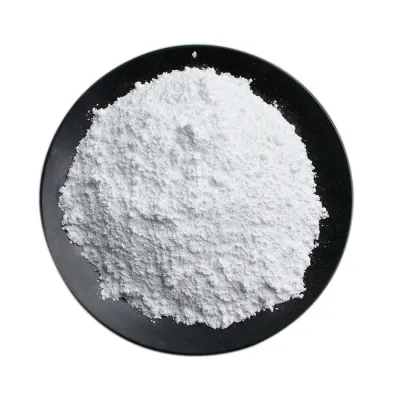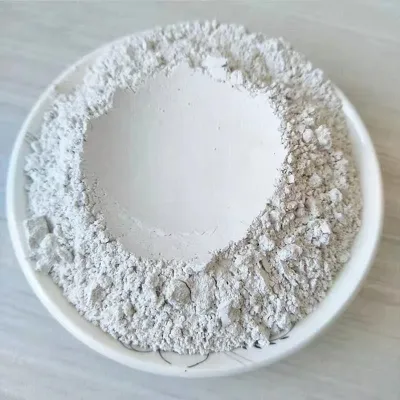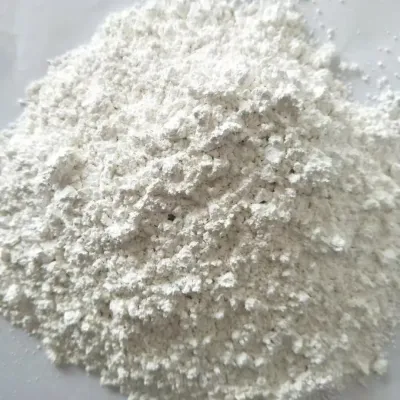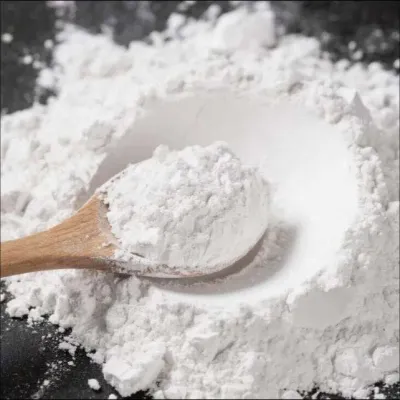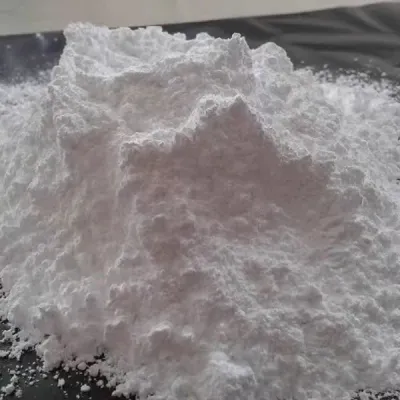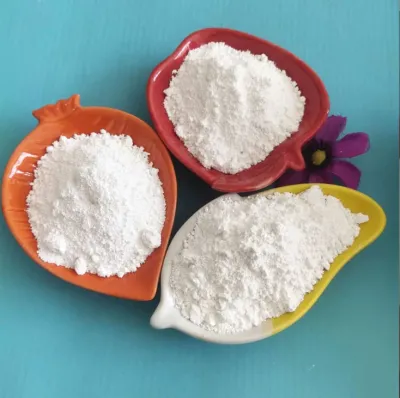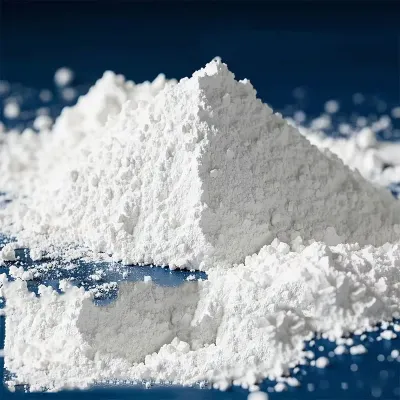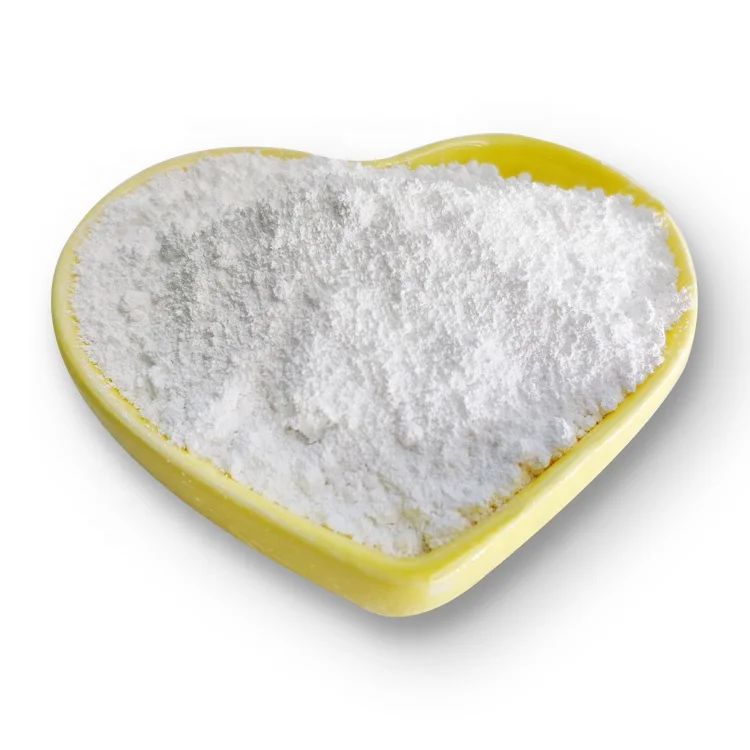
XM-BA13 Natural Barium Sulphate Barite Powder for Paint, 60% Minimum Purity and D50 3.3 Microns
-
Particle-size designationD97 specified , D50 specifiedColorWhite
-
Physical formPowder
-
CAS No.13462-86-7Purity60% Min
-
AppearanceWhite PowderApplicationPaint industry
-
ClassificationSulphateEINECS No.231-793-3
-
Grade StandardAgriculture Grade, Electron Grade, Industrial Grade, paint industryMolecular FormulaBaSO4
-
Other NamesNatural Barium SulphateTypeBarium Sulfate
-
D97 particle size (μm)8.8D50 particle size (μm)3.3
-
Whiteness %86~94PH Value7±0.5
-
Specific Gravity (g/cm3)4.2-4.4Bulk density (g/cm3)1.10
-
CAS13462-86-7colorwhite
-
oil absorbsion12-14
XM-BA13 natural barium sulphate powder has a minimum purity of 60% and is identified for the paint industry. Its D50 of 3.3 microns and D97 of 8.8 microns give a specific pair of particle criteria for the proposed mineral comparison.
Review the complete composition behind the minimum assay
A paint enquiry should obtain the remaining mineral constituents and relevant impurity limits alongside the 60% minimum sulfate requirement. Confirm the actual natural-material route and offered grade rather than treating a high-purity description or a model shared by other materials as a complete chemical specification.
Set the particle and whiteness comparison together
Use the two particle percentiles with their actual measurement method and distribution curve. The whiteness offering of 86–94% needs a selected grade and an agreed optical reference, followed by a binder trial to determine whether the proposed powder meets the actual paint appearance requirement.
- pH criterion
- The 7±0.5 range needs a defined preparation and test procedure.
- Bulk density
- Confirm the 1.10 g/cm3 entry using the applicable powder-conditioning and measurement method.
- Other physical entries
- Clarify the test basis for the specific-gravity entry and obtain the actual absorption unit and procedure.
Approve the actual grade in the chosen paint system
Identify the binder, mineral role and processing route proposed for the XM-BA13 trial, with current technical and safety information. Broad grade labels do not qualify the material for a different use, and the paint project should assess its own composition, appearance and processing criteria.
For this XM-BA13 enquiry, agree the minimum assay, selected whiteness grade and defined powder methods before a representative comparison. Let the actual binder results establish acceptance rather than assuming a finished-paint benefit from the natural sulfate name.