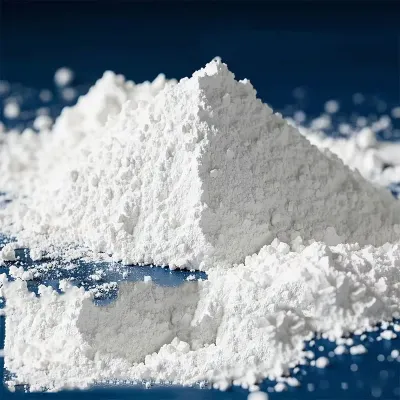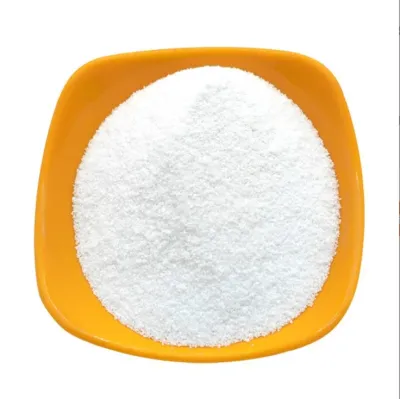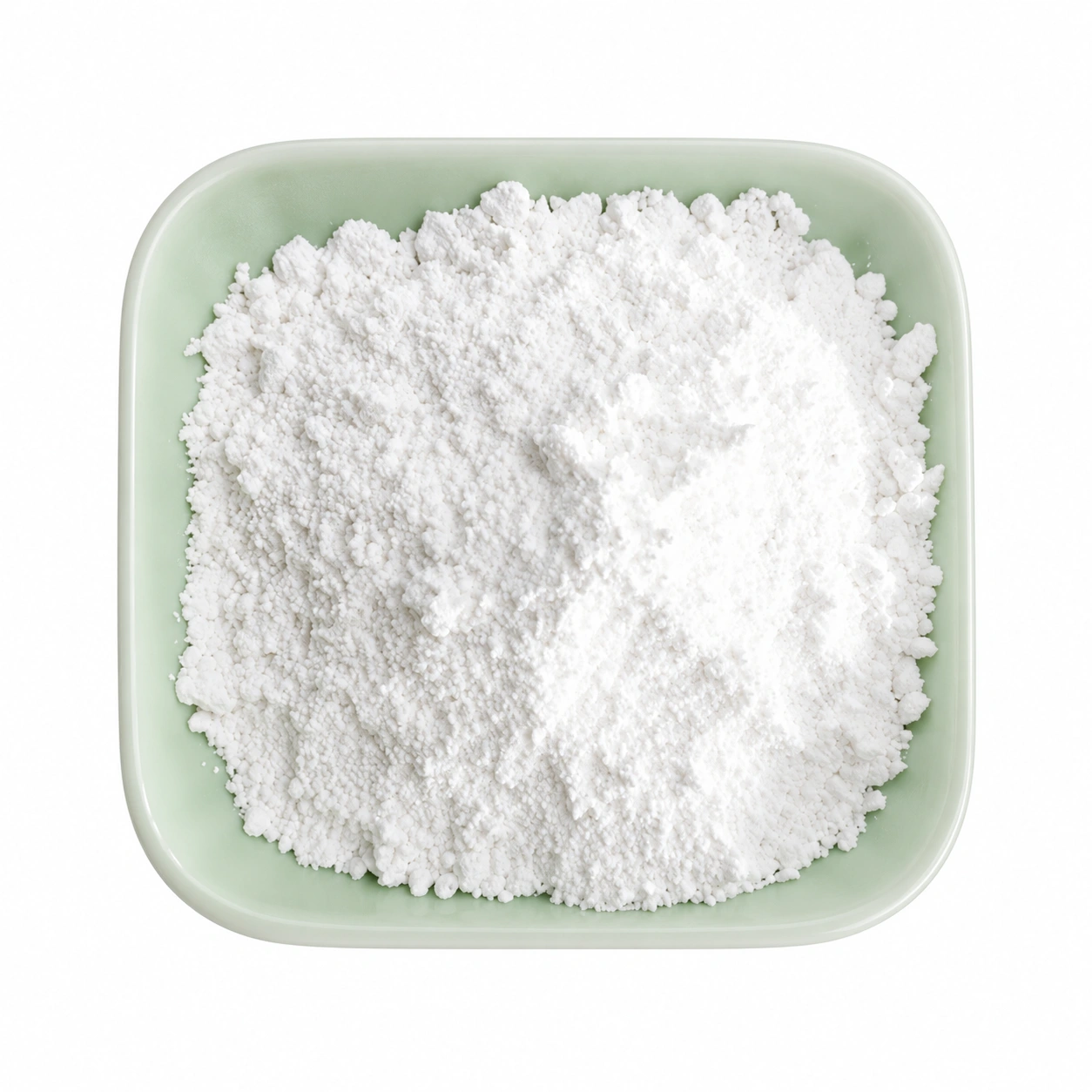
XM-BA315 Barium Sulphate BaSO4 Filler Powder for Powder Paint, Plastic, Rubber and Printing Ink
-
Particle-size designationD50 specifiedColorWhite
-
Physical formPowder
-
CAS No.13462-86-7Purity95%min
-
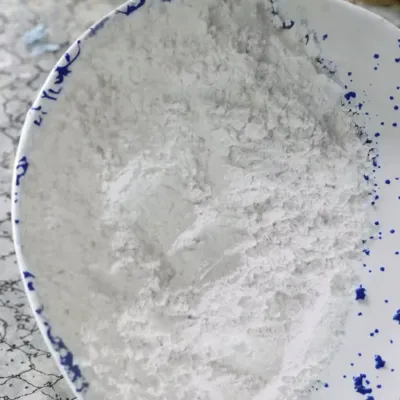
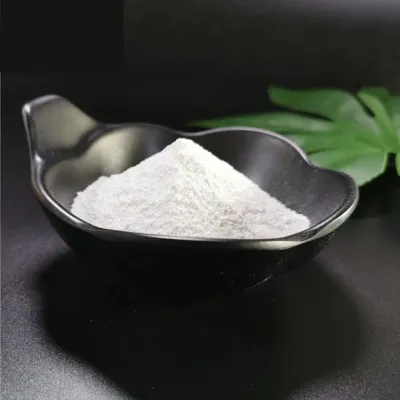
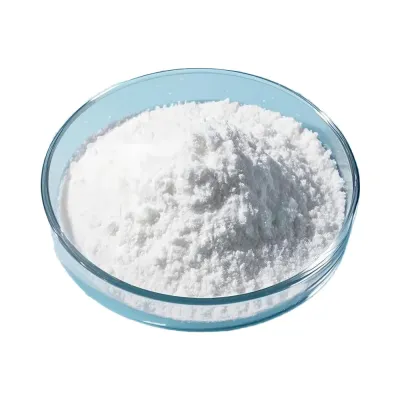
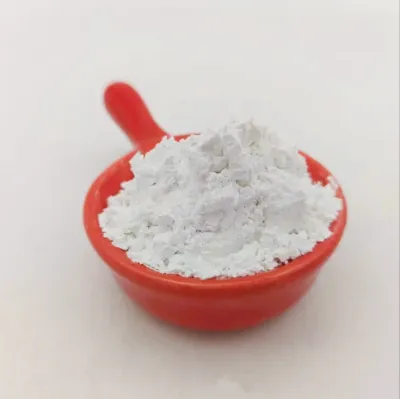
AppearanceWhite PowderApplicationFiller for plastic/rubber/Battery /Powder coating
-
ClassificationSulphateEINECS No./
-
Grade StandardIndustrial GradeMolecular FormulaBaSO4
-
Other NamesBarium sulphateTypeBarium Sulfate
-
Model NumberXM-BA315UsageFiller for plastic/rubber/Printing ink/Battery /Powder coating
-
NameBarium sulfate / Blanc fixe / Barite powderBaSO4 purity92%-94%
-
D50 Particle size3 micronWhiteness85-92%
-
Oil absorption13-15ColorWhite
-
CertificateISO,ROHSHs code25111000.00
-
pH7±0.5
Powder paint and polymer enquiries need a filler comparison that follows the actual formulation. XM-BA315 is an industrial white barium sulphate powder with stated D50 of 3 μm, whiteness of 85–92% and pH of 7±0.5. Plastic, rubber and printing ink are additional identified evaluation contexts.
Start the BA315 enquiry with the formulation brief
Describe the binder or polymer, processing conditions and finished-material requirements. Request a current composition report before agreeing the assay criterion for the project. Confirm the manufacturing route and any treatment requirements with the documentation associated with the sample.
Compare particle and whiteness reports consistently
The stated D50 provides a particle-size reference, while the whiteness range supplies a separate optical reference. Obtain the full particle distribution and the whiteness method before comparing samples. Include the relevant pH procedure, and request the oil-absorption units and test method if that property matters to selection.
Test each filler application on its own terms
For powder paint, select the processing and finished-film tests that matter to the intended coating. Polymer and printing ink trials should use their respective formulation criteria. A battery-related enquiry also needs the specific component and chemistry; the broad application name does not establish suitability for that use.
Bring the evidence back to the tested sample
Keep current analysis and method reports with the material actually evaluated. Review applicable documentation and the controlled trial results before final acceptance. This connects the selected filler to a defined project and its measured requirements.