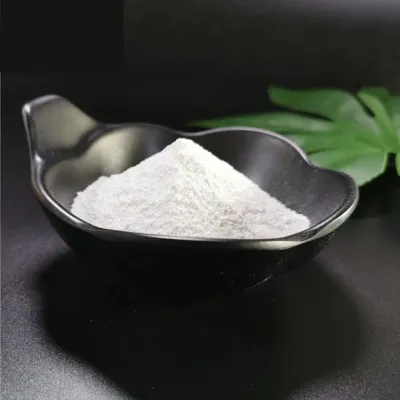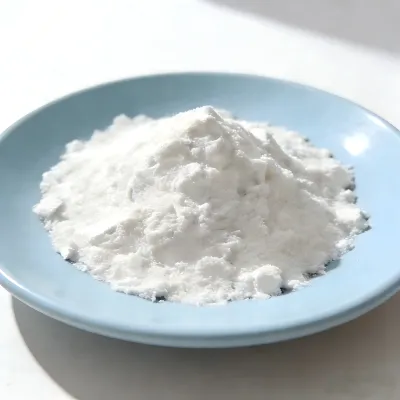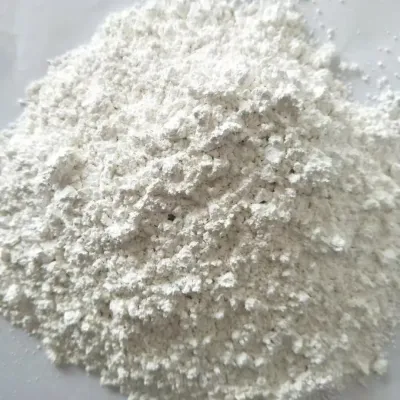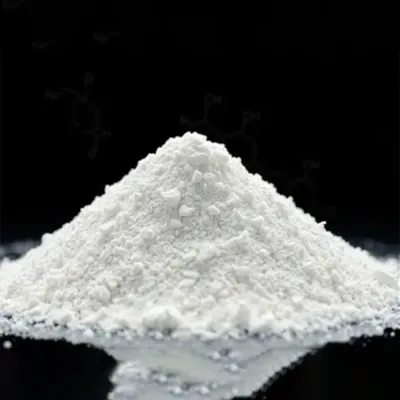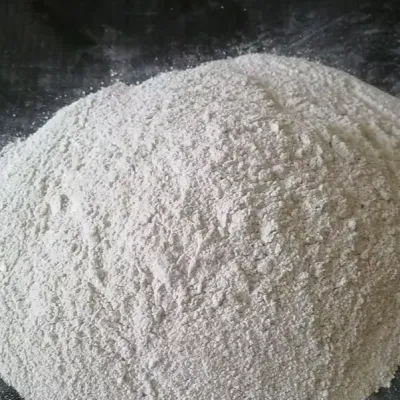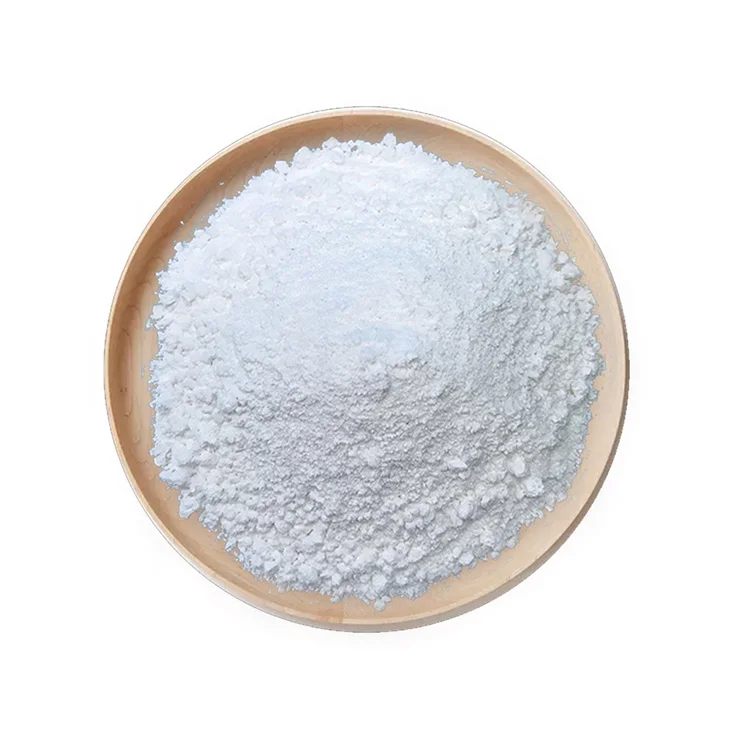
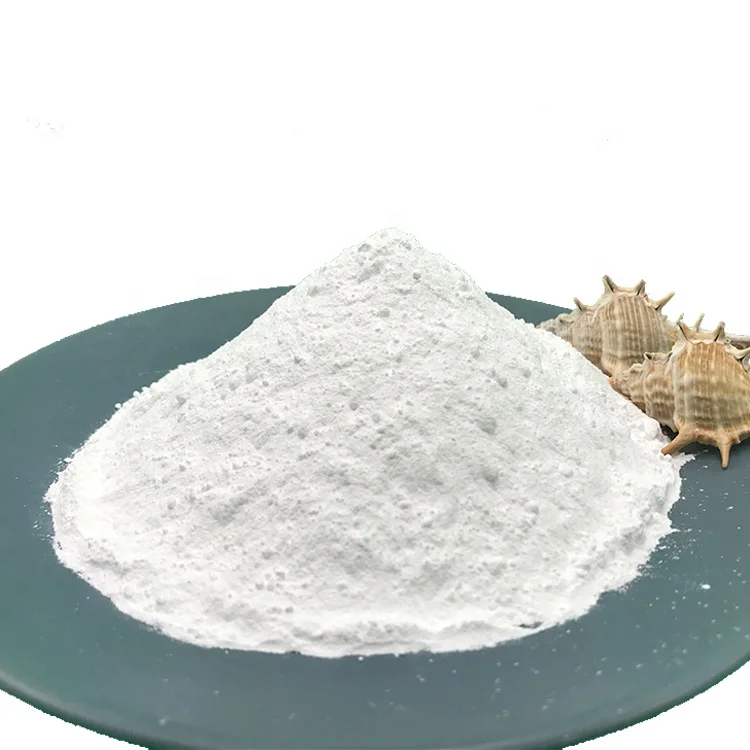
XM-BA386 Natural Barite Powder 94% BaSO4 Industrial Barium Sulphate for the Rubber Industry
-
Particle-size designationD97 specified , D50 specifiedColorWhite
-
Physical formPowder
-
CAS No.13462-86-7Purity94%
-
AppearanceWhite PowderApplicationRubber industry
-
ClassificationSulphateEINECS No.231-793-3
-
Grade StandardIndustrial GradeMolecular FormulaBaSO4
-
Other NamesNatural Barium SulphateTypeCopper Sulphate
-
Product namechemicals used in footwear industryD97 particle size (μm)22-25
-
D50 particle size (μm)8.5-10BaSO4 content94
-
Whiteness (%)50Specific Gravity (g/cm3)4.2
-
pH Value7±0.5Oil Absorption (g/100g)13~15
-
Loss on ignition %(m/m)1.10Matter soluble in water %(m/m)0.20
For rubber and footwear formulation work, XM-BA386 offers a natural barite powder identified by 94% BaSO4 content and an industrial-grade specification. The white powder combines a D50 range of 8.5–10 microns with a D97 range of 22–25 microns, giving the buyer more than a broad mineral name to work with.
Start with the rubber compound requirement
Rubber is the stated application for XM-BA386, with footwear also identified as a purchasing context. A compounder should compare this particular barite grade against the formulation target; neither the industrial classification nor its use in rubber establishes suitability for every elastomer or finished article.
Read the two particle-size measures together
The D50 of 8.5–10 microns and D97 of 22–25 microns describe different points in the XM-BA386 particle-size distribution. When comparing alternative barite powders, use the same measurement method and request a current distribution report rather than treating a single mesh label as an equivalent specification.
- Match XM-BA386 to the intended rubber compound and processing route.
- Check the 94% BaSO4 requirement against a current composition analysis.
- Agree how the stated whiteness value of 50 will be tested for colour-sensitive rubber.
Confirm chemical identity before qualification
A buyer qualifying XM-BA386 should obtain the product-specific technical and safety documents before approving the material. Confirm the chemical identity, test methods and acceptance limits with the supply documentation; the pH value of 7±0.5 is a further comparison point, not a compatibility guarantee.
For this natural rubber-industry barite, an enquiry centred on the two particle-size ranges, 94% content and whiteness requirement creates a more useful technical comparison than an unqualified request for white mineral powder.