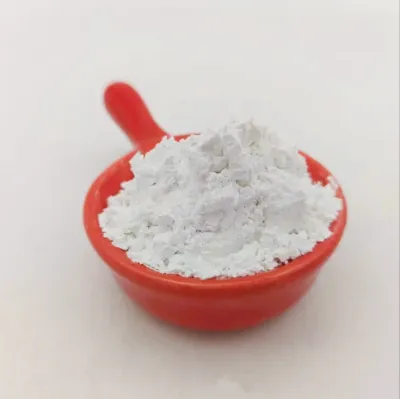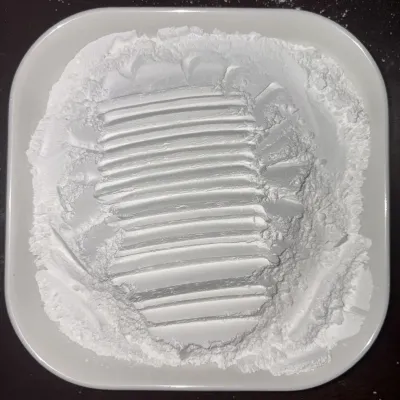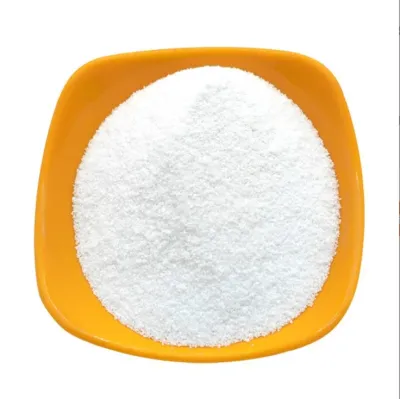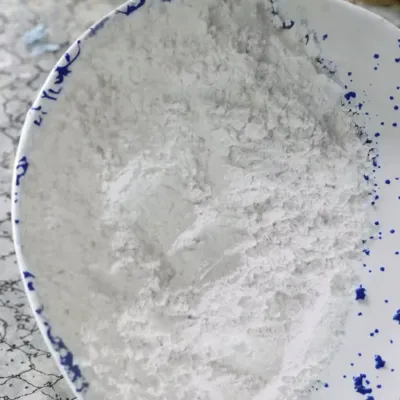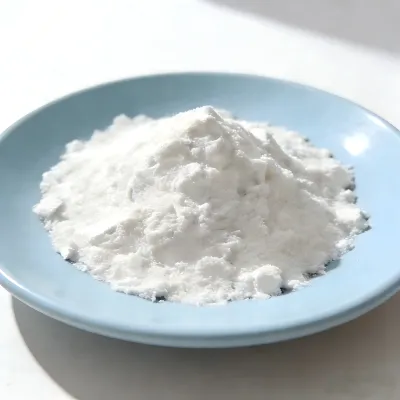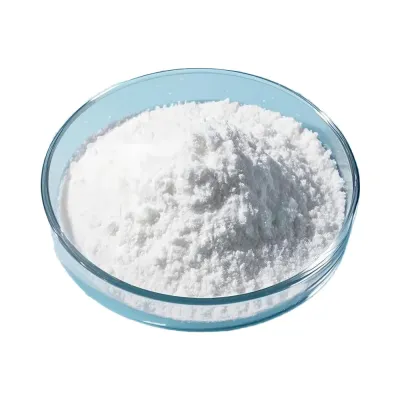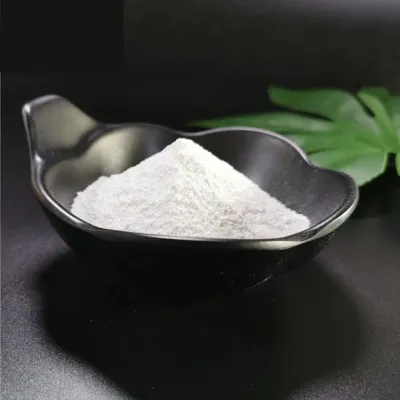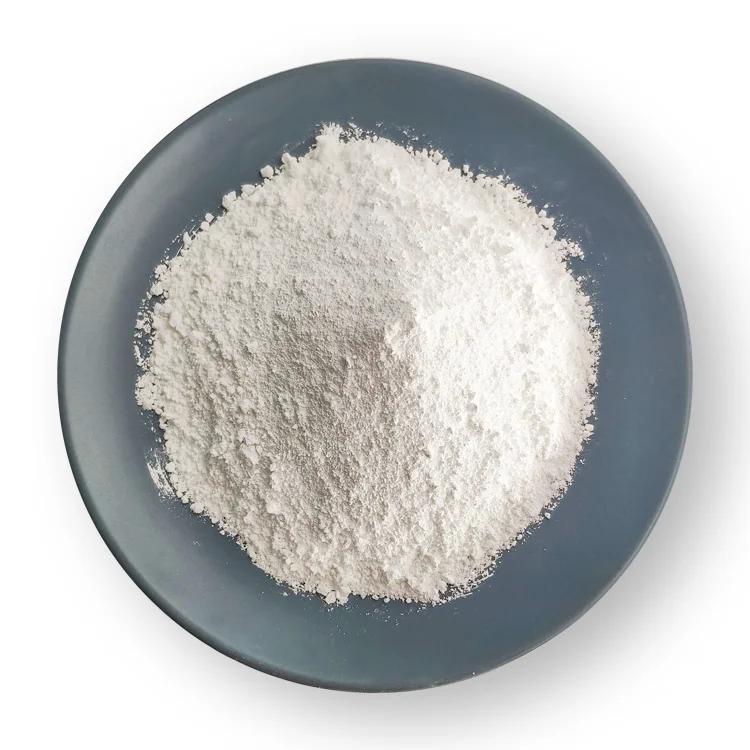
XM-BA389 Barium Sulphate Barite Powder for Rubber Filler and Indoor-Paint Trials, 96% Purity and 3 Micron Average Size
-
Particle-size designationAverage size specifiedColorWhite
-
Physical formPowder
-
CAS No.13462-86-7Purity96%
-
AppearanceWhite PowderApplicationIndustrial
-
ClassificationSulphateEINECS No.231-793-3
-
Grade StandardIndustrial Grade, Rubber product fillerMolecular FormulaBaSO4
-
Other NamesBarite powderTypeBarium Sulfate
-
Model NumberXM-BA389Product nameBarium sulphate
-
ColorPure WhiteGradePaint
-
CertificateISOUsageindoor paint
-
Hs code28332700.00Average Particle Size3μm
-
Whiteness98%ph6-9
-
Oil Absorption12
XM-BA389 is an industrial barium sulphate barite powder identified for rubber filler and indoor paint, with 96% purity. The 3 micron average particle-size entry and 98% whiteness give additional criteria to define before comparing the proposed white mineral with another grade.
Set the rubber-filler trial around the actual compound
Identify the rubber, sulfate role and processing route proposed for XM-BA389. The industrial material description and chemical assay do not establish dispersion or mechanical performance, so the compound's actual acceptance tests should determine whether the powder meets the project.
Clarify average size and the optical reference
Confirm how the 3 micron average is calculated and measured rather than automatically treating it as a D50. The 98% whiteness value needs an agreed optical method and reference, followed by the relevant formulation comparison where finished appearance matters.
- Composition requirement
- Use the stated 96% purity with current analysis and relevant impurity limits.
- pH comparison
- The 6–9 range should use a defined preparation and measurement method.
- Absorption criterion
- Request the actual oil-absorption unit and procedure for the offered grade before comparing that property.
Qualify indoor paint separately from rubber
An indoor-paint enquiry should define its binder and the process and film-appearance requirements for the mineral trial. A satisfactory rubber result does not establish hiding, compatibility or finish in paint, and a certificate requirement needs a current applicable document with the relevant scope.
For XM-BA389, connect the confirmed assay, average-size method and optical reference to the actual compound or binder tests. Current product-specific technical and safety information should accompany that grade-specific assessment rather than a broad high-content or supplier-quality claim.