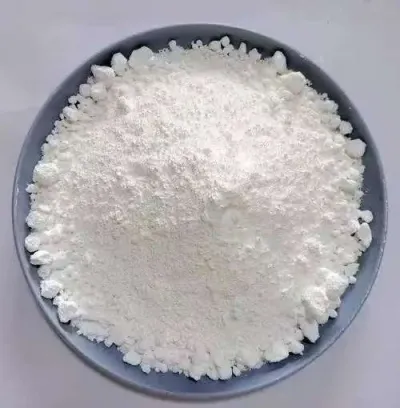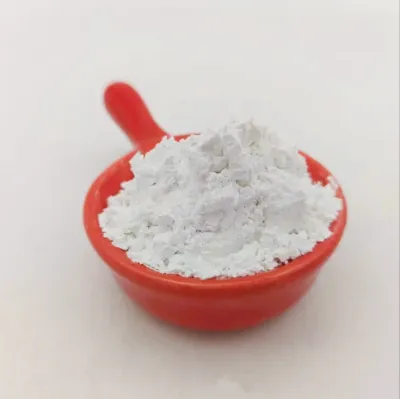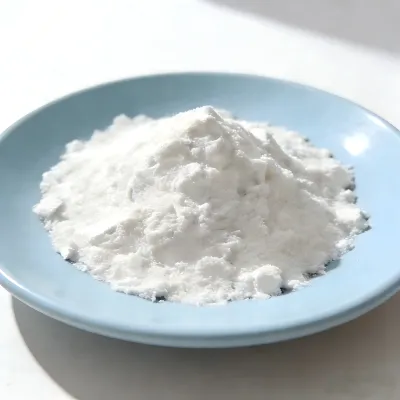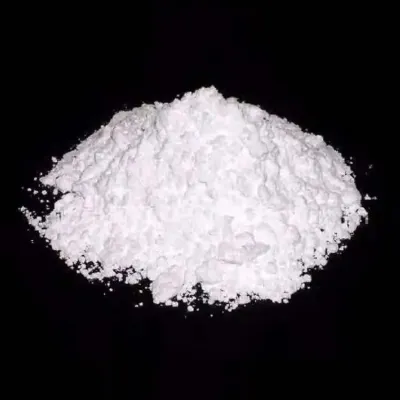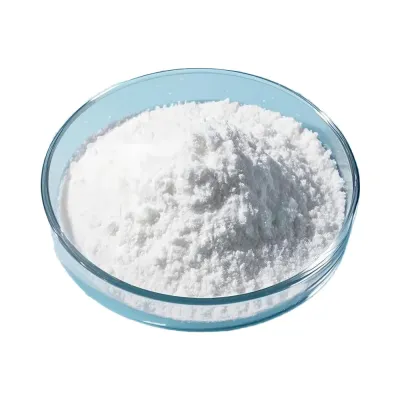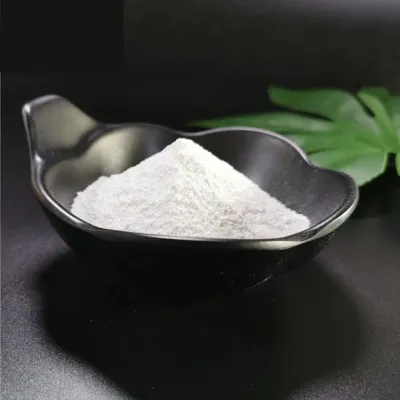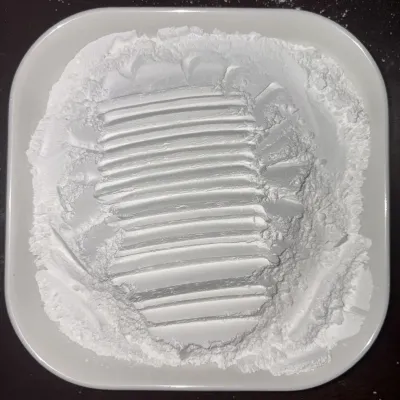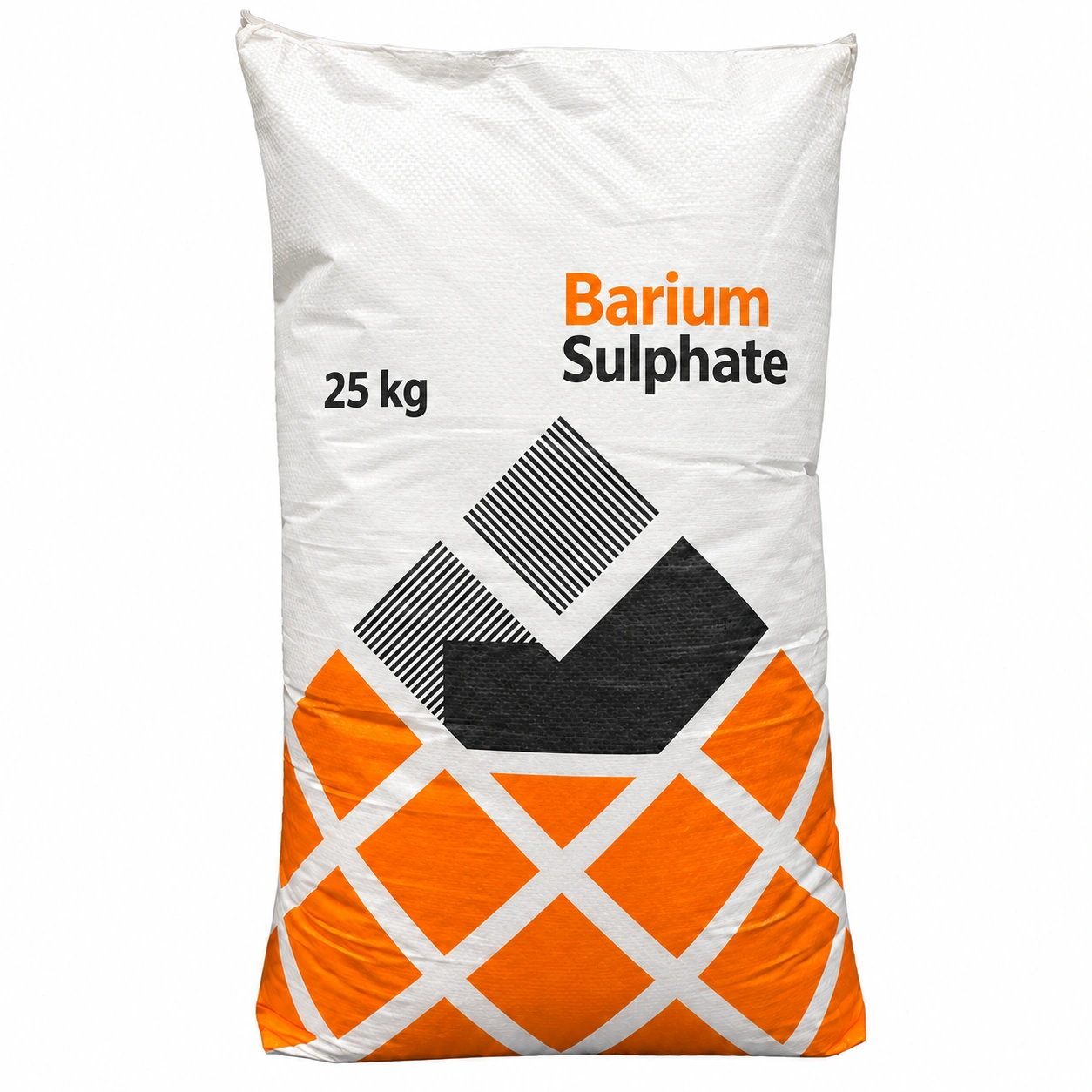
XM-BA45 Natural Barium Sulphate Powder, 92–94% BaSO4, for Coatings and Polymers
-
ColorWhitePhysical formPowder
-
CAS No.13462-86-7Purity92-94
-
AppearanceWhite PowderApplicationPowder coatings, Plastics, Rubber, Painting
-
ClassificationSulphateGrade StandardIndustrial Grade
-
Molecular FormulaBaSO4TypeBarium Sulfate
-
Model NumberXM-BA45BaSO4 Content (%)92~94
-
D50 (μm)10D97 (μm)25
-
Whiteness (%)88PH value7~9
-
Oil Absorption (g/100g)13-15Specific Gravity (g/cm³)4.35
The particle profile is an important part of an XM-BA45 comparison. This white industrial natural barium sulphate powder has stated BaSO4 content of 92–94%, a D50 of 10 μm and a D97 of 25 μm. Powder coatings, plastics, rubber and painting are its named application directions.
Keep the median and upper distribution separate
Read D50 and D97 as distinct points in the measured particle distribution. Neither should be relabelled as a maximum particle size. When comparing XM-BA45 with another natural mineral, request matching methods and sample-preparation details so that the figures answer the same technical question.
Compare colour and composition independently
The stated whiteness is 88%, while the stated BaSO4 content is 92–94%. Whiteness describes a different measurement from composition and needs its own test basis. Ask which result matters to the chosen formulation before treating either number as a selection advantage.
- Powder chemistry check
- The stated pH range is 7–9; retain the test method with the analysis.
- Liquid-demand comparison
- Request the oil-absorption method and assess its relevance to the actual binder or polymer process.
Qualify the selected coating or polymer system
Set the processing and finished-product criteria before running the natural powder sample. Evaluate the result in the intended coating, plastic or rubber formulation rather than assuming a universal replacement ratio. Current grade analysis and a controlled comparison provide a stronger basis for acceptance than a broad high-content description.