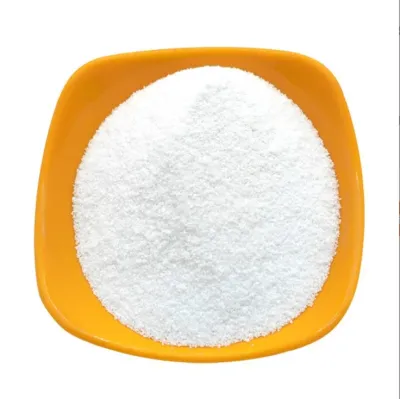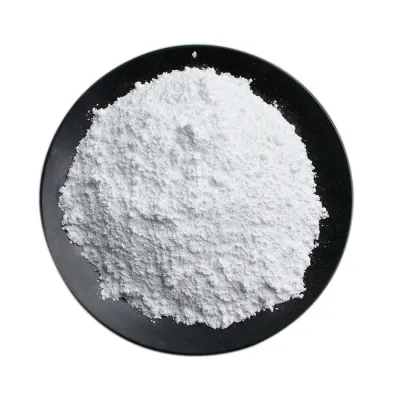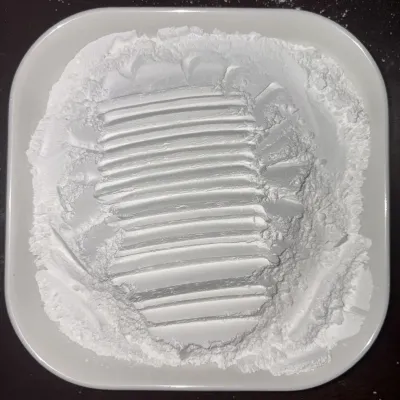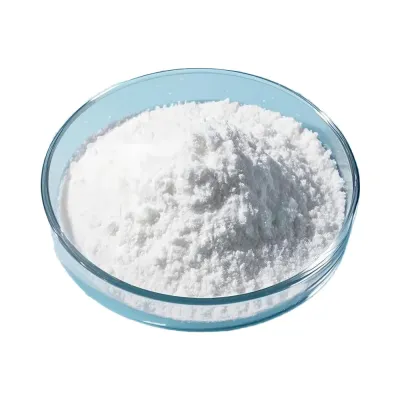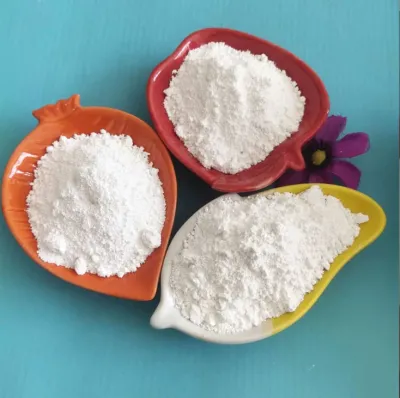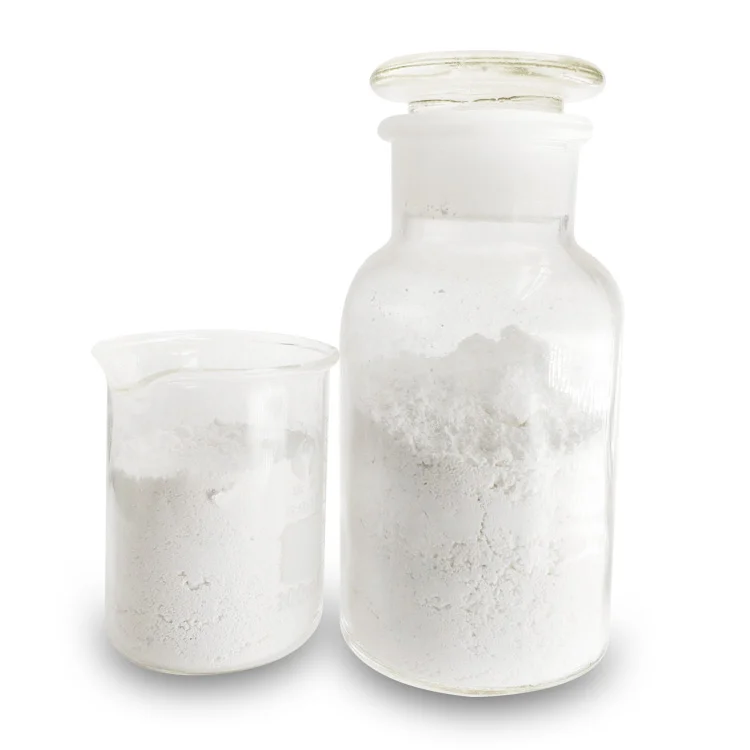
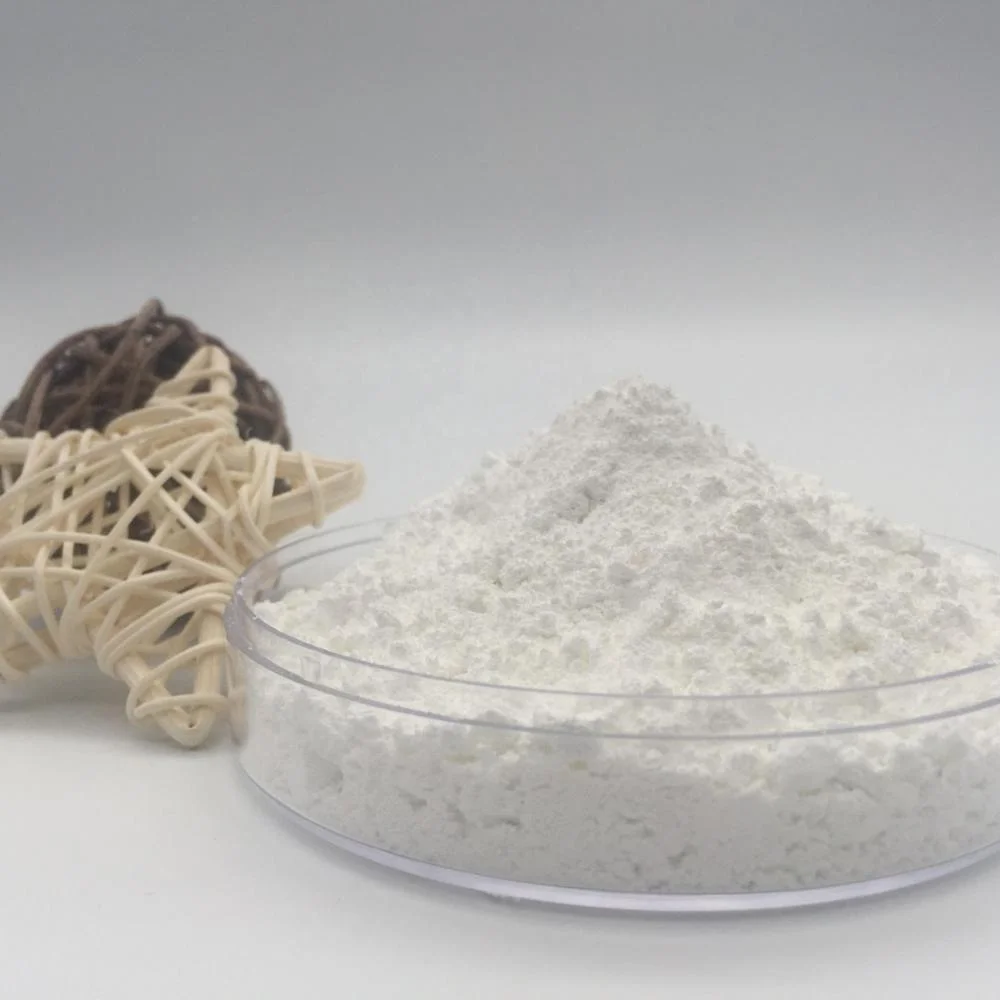
XM-CC13 Industrial 325 Mesh Calcium Carbonate CaCO3 Powder for Rubber, Paint, Plastic and Paper
-
Particle-size designationAverage size specified , Mesh designationColorWhite
-
Physical formPowder
-
CAS No.471-34-1Purity98%
-
AppearanceWhite PowderApplicationPaint
-
ClassificationCarbonateEINECS No.207-439-9
-
Grade StandardIndustrial GradeMolecular FormulaCaco3
-
Other Namescalcium carbonateTypeCalcium Carbonate
-
Model NumberXM-CC13Product namecalcium carbonate
-
ColorPure WhiteGradeIndustrial Grade Food Grade
-
CertificateISOUsagePlastic,rubber,paper making
-
D9718Whiteness97
-
ph9+-1Loss on ignition43.5
-
Average particle size5
A rubber-compound enquiry for 325-mesh calcium carbonate needs a clear sieve basis as well as a named powder. XM-CC13 is an industrial pure white CaCO3 material with stated purity of 98% and pH of 9±1. Paint, plastic and papermaking are also identified evaluation contexts.
Define the 325-mesh acceptance criterion
Ask which sieve standard and passing requirement apply to the offered sample. Request the associated test procedure and measured result. The mesh designation should not be treated as a complete particle distribution or converted into an unsupported median particle size.
Compare CC13 inside the proposed rubber compound
Specify the actual formulation and processing conditions before choosing the trial criteria. Evaluate the properties that matter to the intended finished material. Neither purity nor a mesh label establishes reinforcement, universal compatibility or the outcome of a particular recipe.
Complete the chemical and optical evidence
Obtain current composition analysis and the pH preparation method for the sample. Request particle units and the full distribution, together with the whiteness reference needed for comparison. Define any additional constituent limits or specialised qualification requirements in the project brief.
Extend the review only to the system being tested
A paint, plastic or papermaking project should use its own processing and finished-material acceptance tests. Keep the exact sample and its reports associated throughout the comparison. Review the current technical evidence and applicable documents before deciding whether CC13 meets the requirements of that specific industrial use.