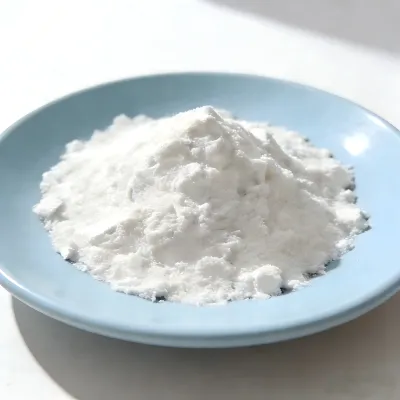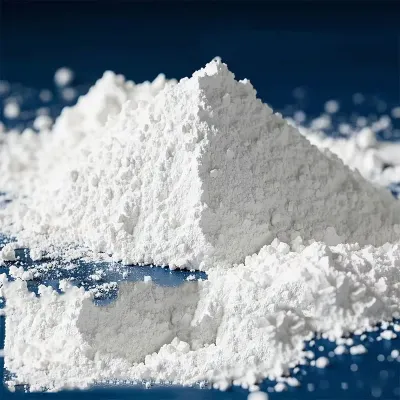
XM-CS300 Anhydrous Calcium Sulfate Whiskers for Rubber Compounds, 98% Minimum Purity
-
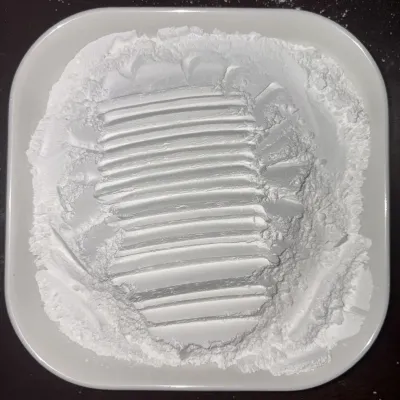
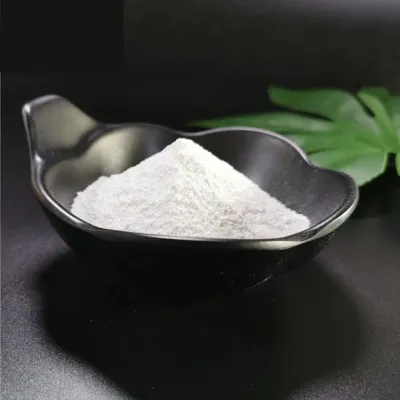
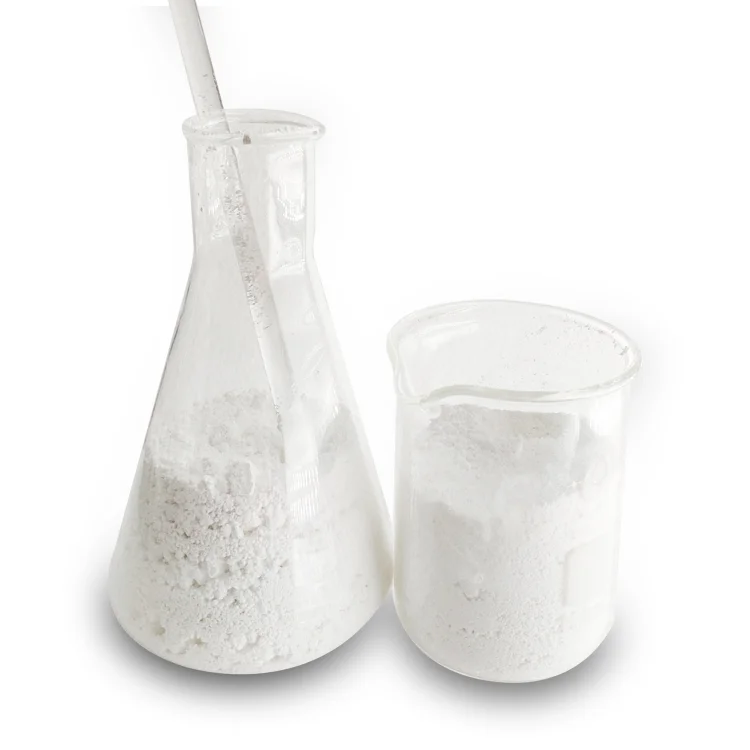
ColorWhitePhysical formWhiskers , Powder
-
CAS No.7778-18-9Purity98%min
-
AppearanceWhite PowderApplicationplastic, rubber, coating, paint, papermaking, Powder coating, paint, rubber, plastic, etc.
-
ClassificationSulphateEINECS No.231-900-3
-
Grade StandardIndustrial GradeMolecular FormulaCaSO4
-
Other NamesCaSO4TypeCalcium Sulfate Whisker
-
Model NumberXM-CS300Product nameCalcium Sulfate
-
CaSO4 content>98%Whiteness≥ 92 %
-
CetificateISO 9001; REACHHs code2833299090
-
pH6-7Melting point1450 ℃
-
Refractive index1.585density2.69g/cm3
Rubber-compound evaluation needs both chemical analysis and a defined fiber sample. XM-CS300 is an industrial white calcium sulfate whisker powder with an anhydrous designation, stated minimum purity of 98% and CaSO4 content above 98%. Its stated whiteness is at least 92%.
Obtain the XM-CS300 fiber specification
Request measured dimensions and the distribution of fiber shapes for the proposed sample. Confirm phase and hydration documentation associated with the anhydrous designation. A whisker name does not supply an aspect ratio or establish a reinforcing result in every rubber formulation.
Keep the physical constants on their own basis
The stated refractive index is 1.585 and pH is 6–7, each needing its relevant measurement conditions. A melting-point value of 1450°C is also given. That value does not define a suitable compounding temperature or the service limit of a finished rubber product.
Set the rubber comparison before processing
Identify the elastomer, recipe and processing conditions for the trial. Define which handling and finished-compound criteria will determine acceptance. Evaluate the actual sample through that system rather than assuming a loading ratio or a universal mechanical benefit.
Match the documents to each application
Plastic, coating, paint, paper and powder-coating uses are also named, but each requires its own qualification. Request current assay, physical-test methods and any applicable compliance documents with the sample. Keep those records connected to the fiber material actually tested before making the final selection.