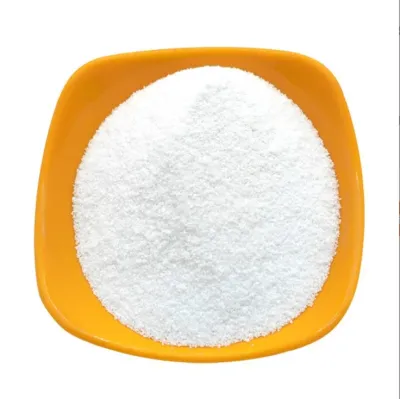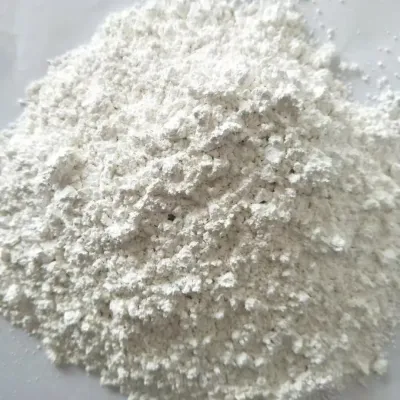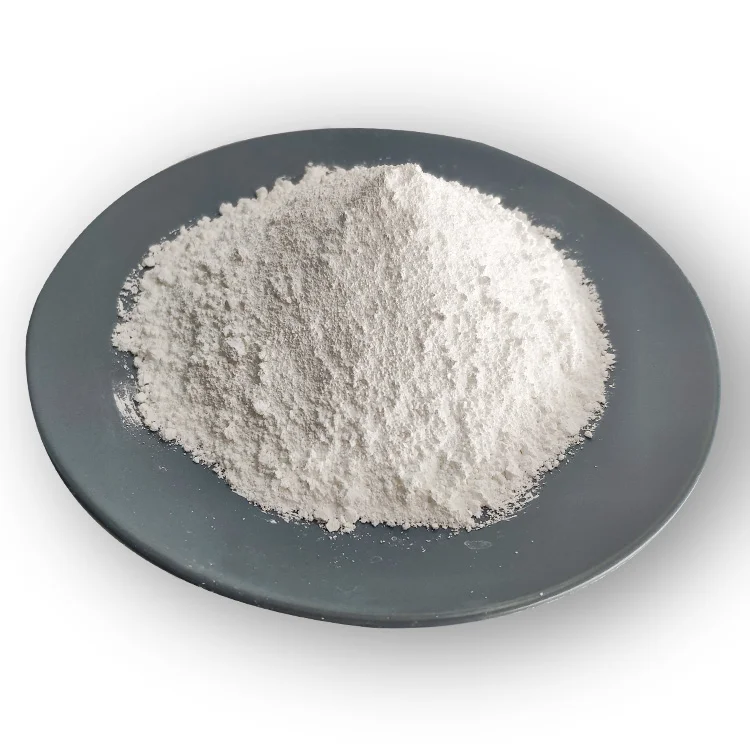
XM-CSC2 Industrial Calcium Sulfate White Crystal Powder, Dihydrate Grade Enquiry
-
ColorWhitePhysical formCrystalline , Powder
-
CAS No.7778-18-9Purity92%
-
AppearanceWhite Cystal PowderApplicationplastic, rubber, coating, paint, papermaking
-
ClassificationSulphateGrade StandardIndustrial Grade
-
Molecular FormulaCaSO4Other NamesCalcium Sulphate
-
TypeCalcium SulfateModel NumberXM-CSC2
-
Product nameCalcium SulphateWhiteness (%)92
-
Hs code2833299090PH Value6-7
-
GradeIndustral GradeMoisture (%)0.2 - 0.3
-
Content (%)≥ 98Loose density0.1-0.4
-
SampleAvailiable
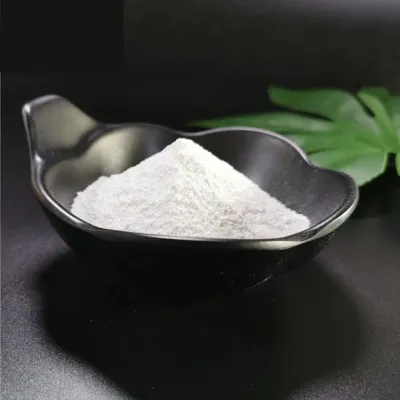
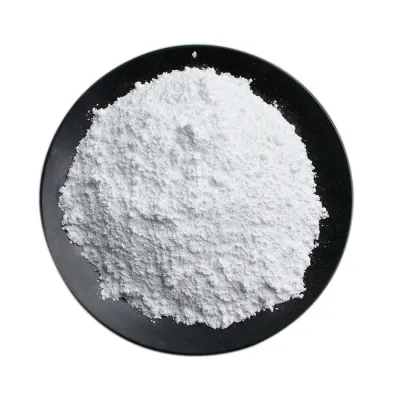
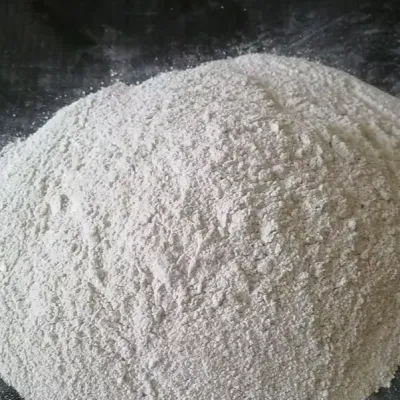
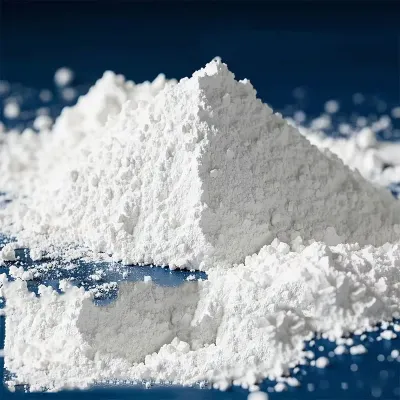
Clarifying hydration state is the first step in this calcium-sulfate grade discussion. XM-CSC2 is an industrial white crystal powder with a dihydrate designation, 92% whiteness, pH 6–7 and moisture of 0.2–0.3% for technical evaluation.
Set the actual hydration requirement
Request current phase and chemical identification for the material being offered. Define the accepted assay and content on a common reporting basis, so the purchase specification establishes the actual grade rather than relying on a hydration name alone.
Match the powder report to the process
Obtain unit-defined loose density, measured particle data and any treatment information for XM-CSC2. Confirm the optical, pH and moisture methods before comparing the supplied powder with the actual plastic, rubber, coating or papermaking requirements.
- Agree the phase and chemical acceptance specification.
- Review the defined physical and optical measurements.
- Set the relevant process trial and its acceptance criteria.
Discuss the sample against those criteria
A sample is available for an enquiry, with the evaluation terms and handling guidance to be confirmed. Ask which current grade documents will accompany the material and use the intended process to determine what must be measured during the trial.
Include the model and hydration requirement with the requested assay and density definitions. A confirmed material report and a relevant sample evaluation provide a practical comparison without an assumed particle morphology, reinforcing effect or process-performance guarantee.