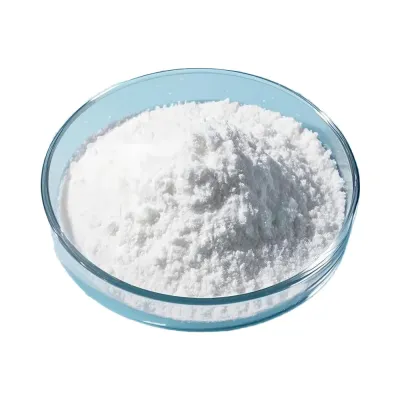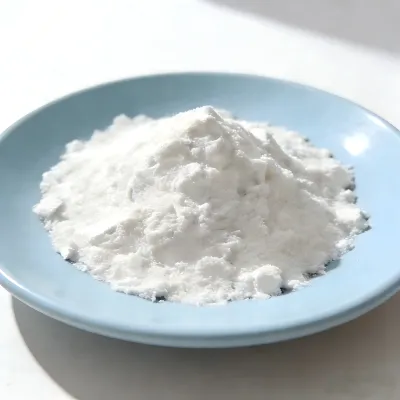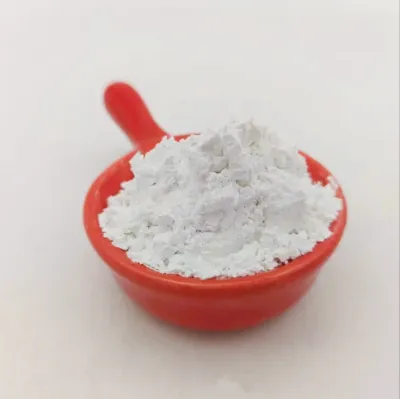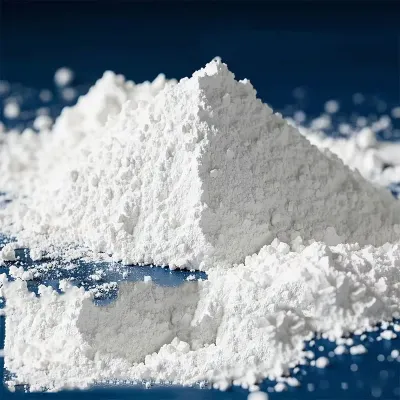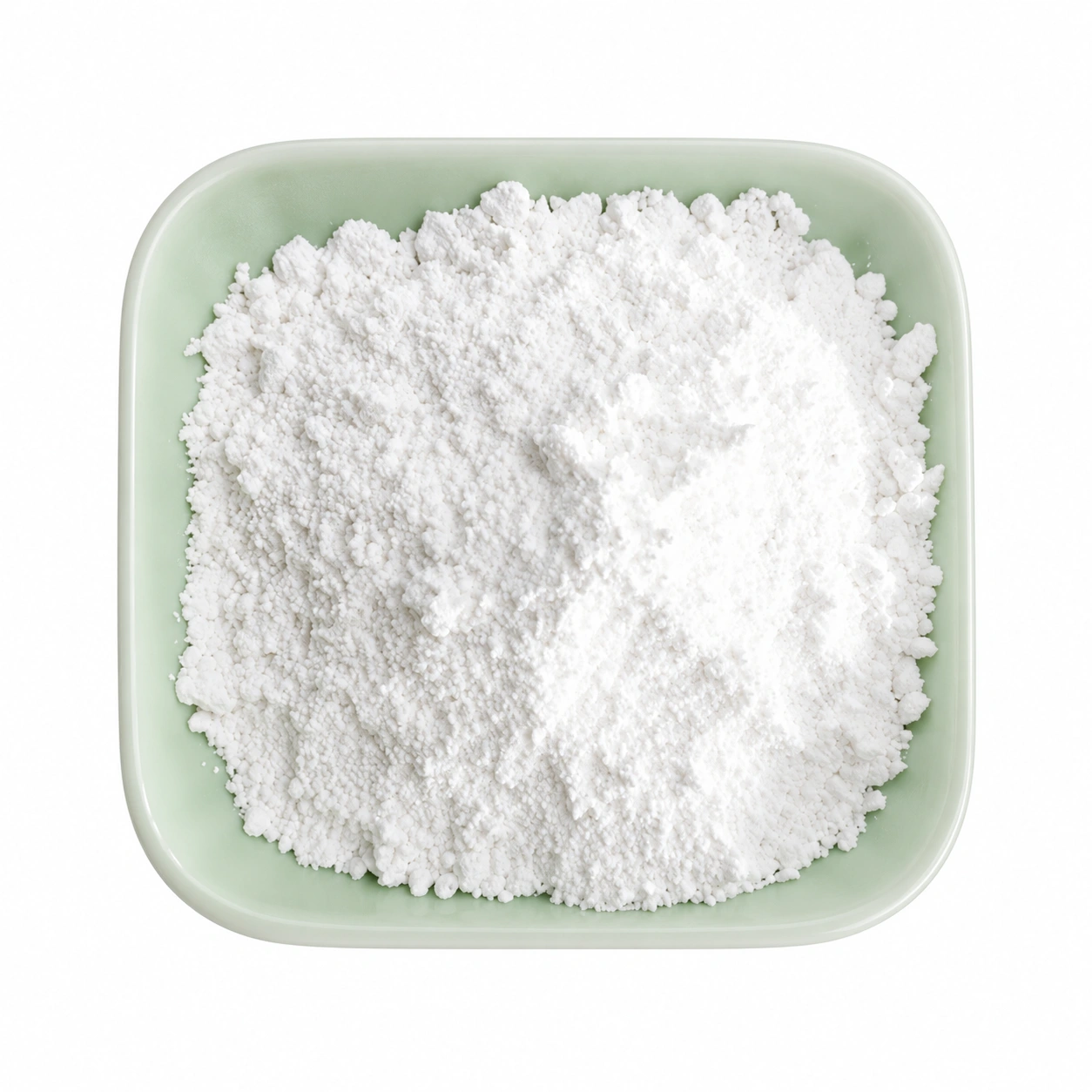
XM-HR1250 White Talc Powder, 1250 Mesh, 90% Whiteness, for Rubber and Plastic Evaluation
-
Particle-size designationMesh designationColorWhite
-
Physical formPowder
-
Model NumberXM-HR1250UsageRubber, Plastic, etc.
-
Mesh1250SiO39%
-
Whiteness90%
XM-HR1250 gives a rubber or plastics enquiry a specific talc model and two initial comparison values. The white powder has a 1250-mesh designation and 90% whiteness, with current mineral and measured powder documents needed to complete the grade specification.
Confirm the 1250-mesh designation precisely
Request the applicable mesh standard and a measured particle-distribution report for the offered talc. Keep the screen designation separate from a median or maximum particle size, and confirm the method before comparing it with the formulation requirement.
Request a clear mineral and optical basis
Obtain current composition analysis that identifies chemical species and reporting basis unambiguously. Ask for the method supporting 90% whiteness and any relevant mineral-screening documents, rather than treating a short oxide label or white appearance as a complete material qualification.
- Powder definition
- Confirm fineness, morphology and any surface treatment.
- Formulation definition
- Identify the rubber or plastic system and its processing and acceptance requirements.
Use the actual polymer trial to decide fit
Evaluate the offered XM-HR1250 in the intended formulation under agreed conditions. Mesh and whiteness do not establish universal dispersion or a reinforcing result, so measure the properties that matter to the actual product.
Include the model, accepted particle requirement and requested mineral report with the enquiry. Request current offered-grade results against the agreed mesh and optical criteria. A documented grade comparison followed by a relevant trial gives the talc selection a practical basis without an assumed composition or processing-performance guarantee.