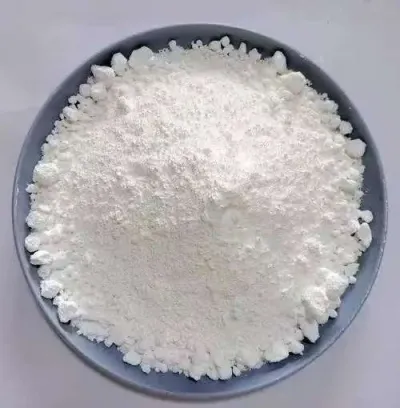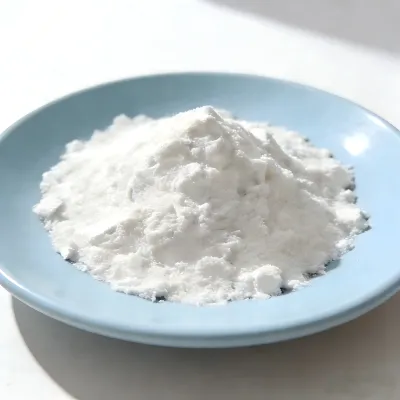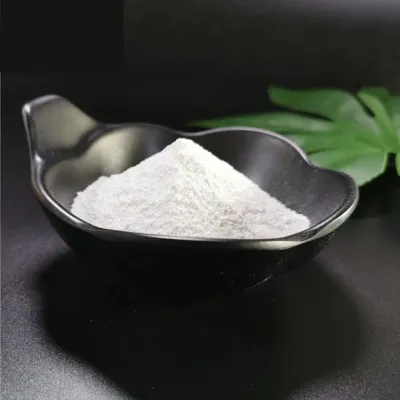
XM-MPB633 Modified Precipitated Barium Sulfate for Plastic Trials, 98.8% Whiteness
-
ColorWhitePhysical formPowder
-
CAS No.7727-43-7Purity≥98.8
-
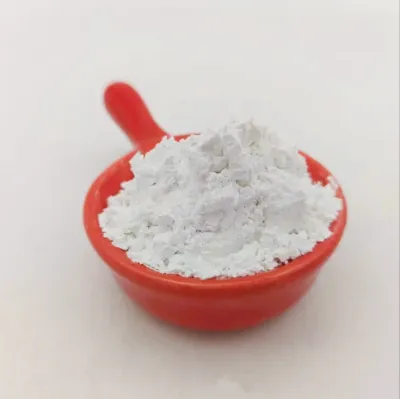
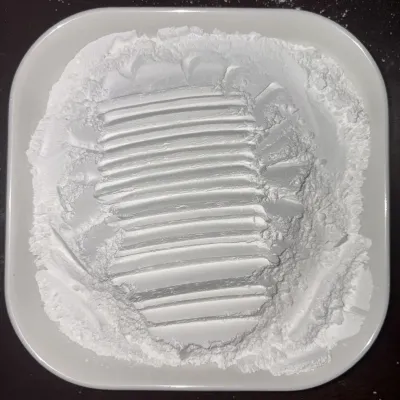
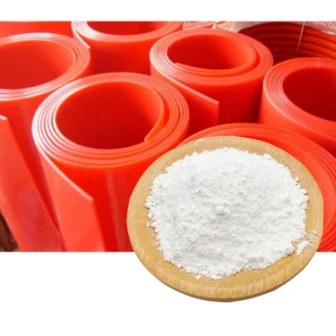
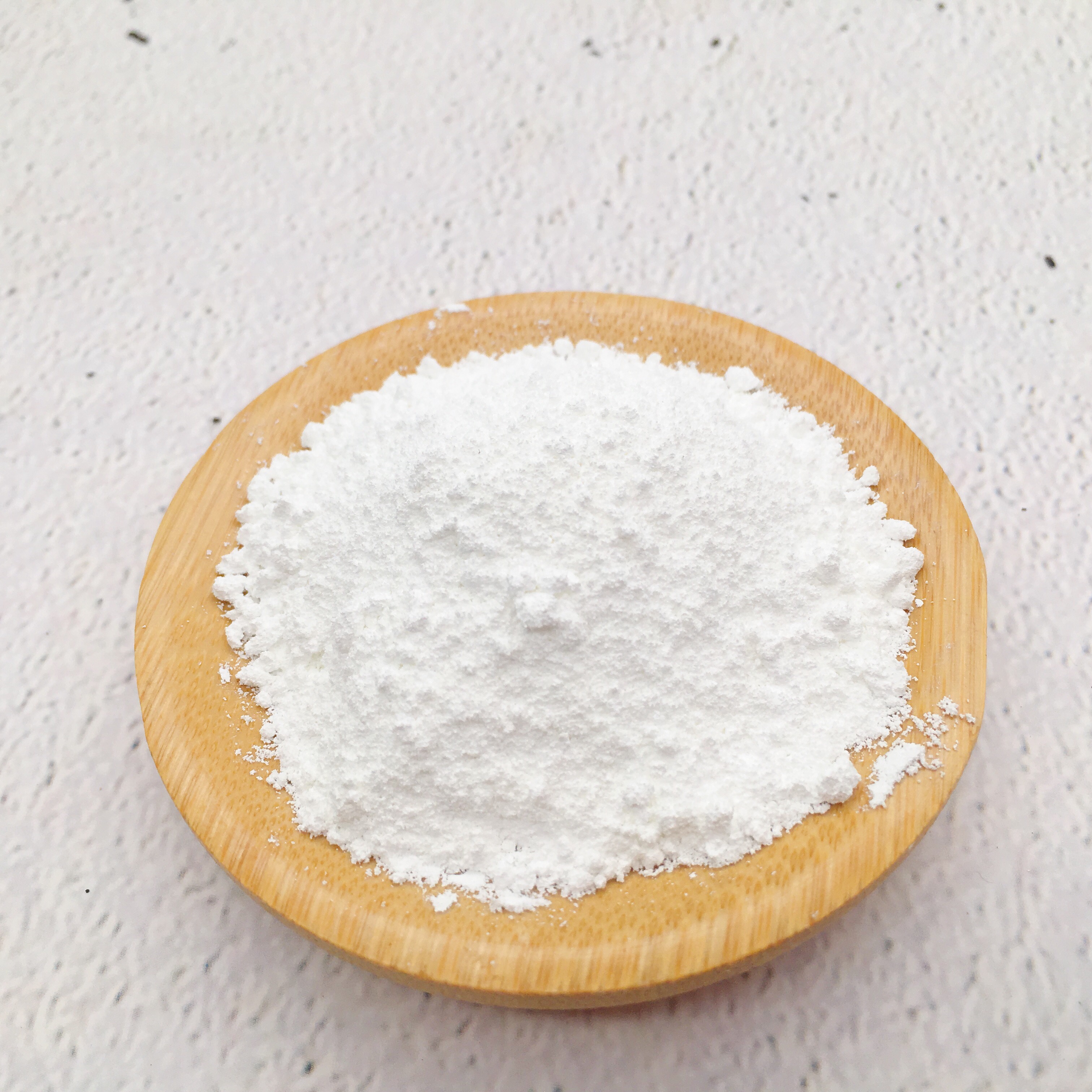
AppearanceWhite PowderApplicationpowder coating, paint, plastic, rubber
-
ClassificationSulphateGrade StandardIndustrial Grade
-
Molecular FormulaBaSO4Other Namesblanc fixe
-
TypeBarium SulfateModel NumberXM-MPB633
-
D50 (μm)0.5-0.7D97 (μm)1.8-2.5
-
Whiteness (%)98.8Moisture (%)≤0.05
-
Ph Value7-8Specific Gravity g/cm34.3~4.4
-
BaSO4 content (%)98.5%Package25kg/Bag
-
CertificationISO9001SampleFreely
A modified-mineral enquiry needs the treatment description as well as the powder measurements. XM-MPB633 is a white industrial precipitated barium sulfate with a modified designation, stated whiteness of 98.8% and moisture of 0.05% maximum. Plastic use is named alongside rubber, paint and powder coating.
Ask what modification means for XM-MPB633
Request the treatment chemistry and relevant grade documents before matching the powder to a polymer. Identify which process or material requirement the modification is intended to address. The designation alone does not establish a particular treatment agent or an improvement in every plastic formulation.
Compare the actual particle profile
D50 is stated as 0.5–0.7 μm and D97 as 1.8–2.5 μm. Obtain the methods and complete distribution before applying those values to a selection limit. Neither measurement alone establishes a nanoscale classification or the dispersion of the powder after polymer processing.
Keep whiteness, moisture and pH separate
Review the whiteness method independently from the moisture test and the stated pH range of 7–8. Obtain current composition analysis on an agreed basis before making an assay-dependent decision. These properties describe different checks and should not become a single general quality promise.
Use the actual plastic system to assess the sample
Define the polymer, processing route and acceptance criteria for a controlled trial. Evaluate the result against the project's own limits and keep the treatment and analytical reports with the material tested. Rubber and coating applications need separate formulation evidence before acceptance.