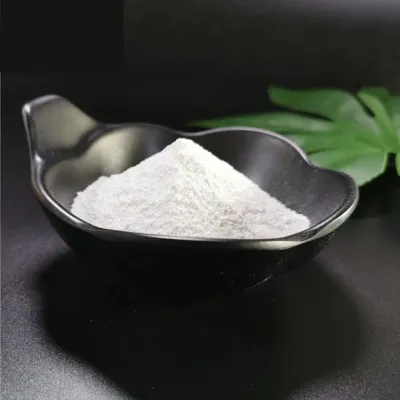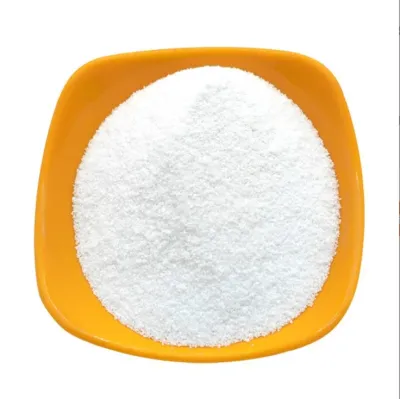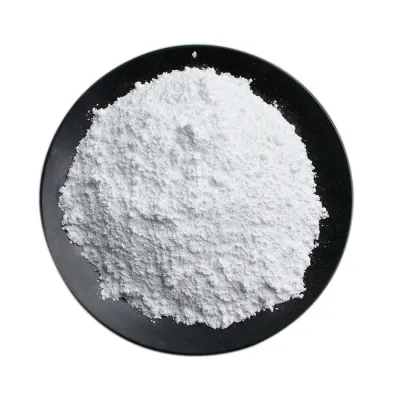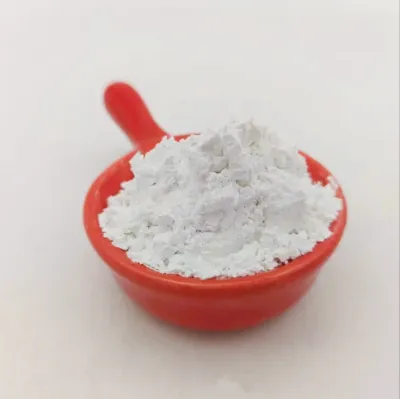
XM-PB02 Precipitated Barium Sulfate for Rice-Cooker Plastic Masterbatch Filler Evaluation
-
Physical formMasterbatch
-
CAS No.NonePurityNone
-
ApplicationRice cooker plastic granule fillerClassificationPrecipitated barium sulfate
-
Other NamesBarium sulfateTypeBarium Sulfate
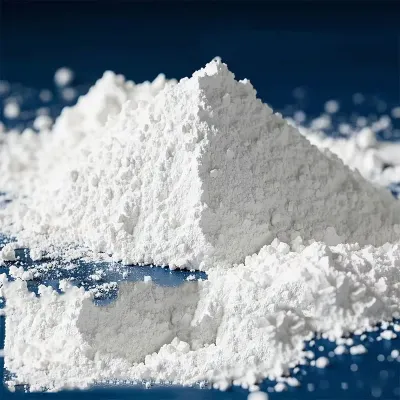
XM-PB02 is identified as a precipitated barium sulfate material for rice-cooker plastic filler and masterbatch enquiries. Specify the actual resin, component role and offered material form before deciding how the sulfate should be assessed in the proposed plastic system.
Confirm the offered XM-PB02 material
Request a current chemical assay, confirmed identifiers and product-specific technical and safety information. The precipitated designation identifies the proposed sulfate type, but it does not supply a purity percentage, particle distribution or the composition of a finished polymer masterbatch.
Make dispersion and gloss measurable targets
A high-dispersibility or high-gloss description needs evidence in the intended resin rather than an assumed universal result. Agree the relevant test methods and reference formulation, and obtain measured particle criteria before treating a nano-level description as a defined size specification.
- Identify the plastic resin and the intended rice-cooker component role.
- Confirm whether the offered material is the sulfate ingredient or a defined compound.
- Agree the assay, physical criteria and resin-trial tests needed for approval.
Keep appliance approval tied to the actual component
A rice-cooker application direction does not establish a particular thermal, electrical or finished-article result. Define the requirements relevant to the component, and obtain applicable use-specific evidence where needed before approving the formulation rather than inferring qualification from the appliance name.
For an XM-PB02 masterbatch project, confirm any carrier, composition and compatibility requirements for the actual supplied product. Use a representative resin trial to establish dispersion, appearance and the project's required processing results, with the material specification and component tests guiding the final filler decision.