-
ColorWhitePhysical formPowder
-
CAS No.7727-43-7Purity98%-99%
-
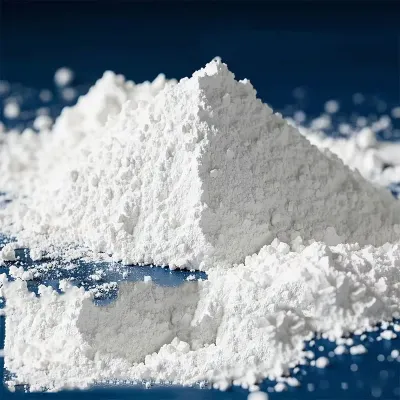
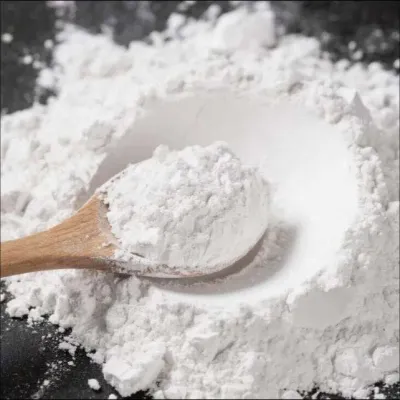
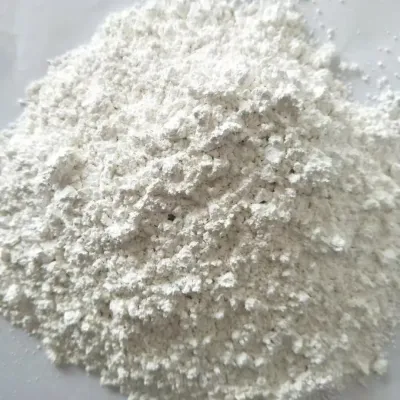
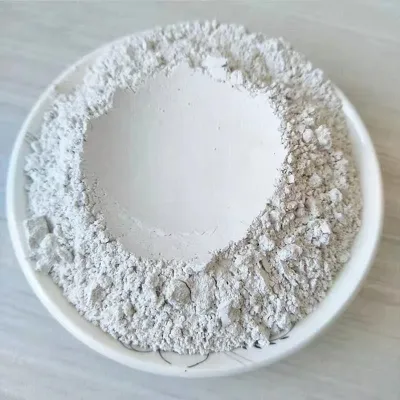
AppearanceWhite PowderApplicationPlastic,Rubber,Coating,Sealants
-
ClassificationSulphateGrade StandardIndustrial Grade
-
Molecular FormulaBaSO4Other NamesPrecipitated Barium Sulphate
-
TypeBarium SulfateModel NumberXM-PB06
-
D50(μm)0.5-0.7D97(μm)1.8-2.5
-
Whiteness98-99%pH7-8
-
Oil Absorption(G/100g)13-15Package25kg/Bag
-
CertificationISO9001Hs code28332700
-
Package AppearancecustomizedSampleFreely
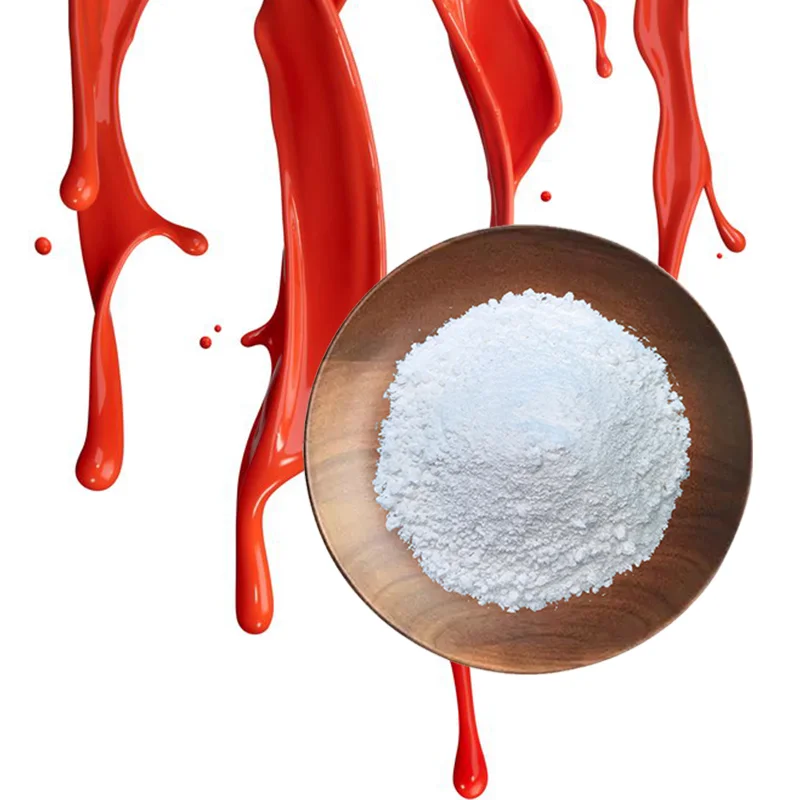
A useful paint-mineral comparison needs a clear grade specification and a common test basis. XM-PB06 industrial precipitated barium sulphate provides a white powder candidate with 98–99% stated purity for a paint or coating enquiry.
Compare XM-PB06 on the paint requirements that matter
Identify the binder and the finished-film criteria before evaluating the mineral. The XM-PB06 model should connect the technical document with the sample entering the paint trial. A clear comparison asks whether the candidate meets that specific requirement rather than assuming a superior finish from a promotional description.
Read the two particle values alongside the assay
The stated XM-PB06 D50 is 0.5–0.7 μm and D97 is 1.8–2.5 μm. Compare each measure with the relevant method and required mineral limits. The purity range and particle profile help screen the offered powder, but they do not establish a universal substitution level in paint.
Separate powder whiteness from the finished film
XM-PB06 has stated whiteness of 98–99% and pH of 7–8. Confirm the whiteness method before comparing different mineral samples, and assess the actual paint appearance through its own trial. A powder measurement is useful evidence for selection without being a finished-film promise.
Keep the XM-PB06 enquiry focused on a matched grade document, the actual paint binder and the acceptance test. Plastics, rubber and sealants remain additional application directions requiring their own evaluation rather than a transferred paint result.