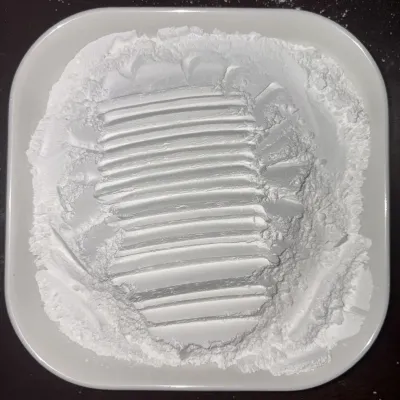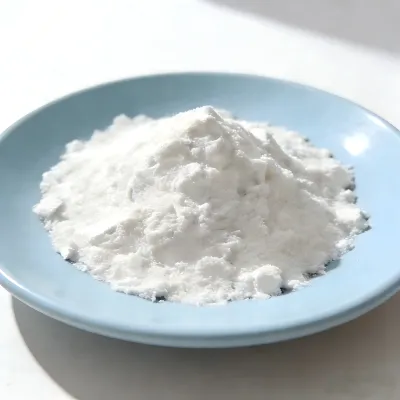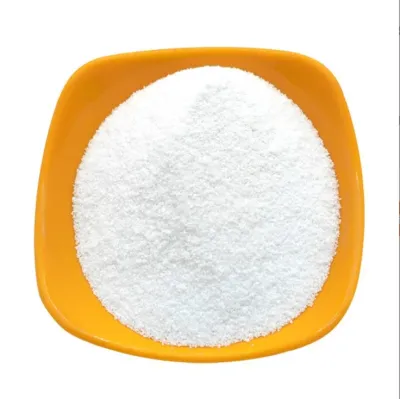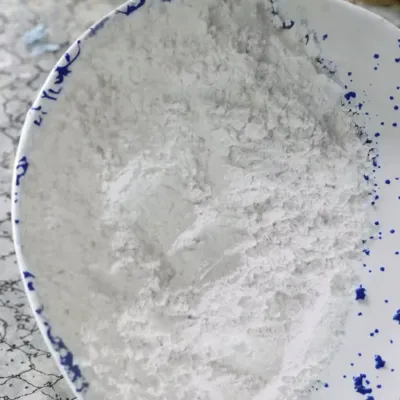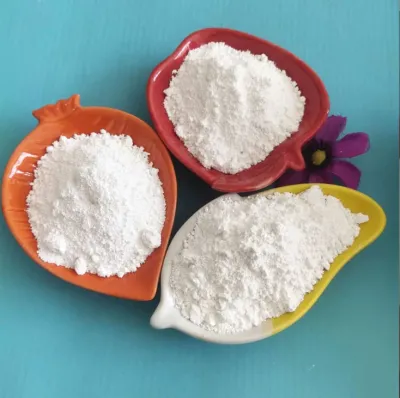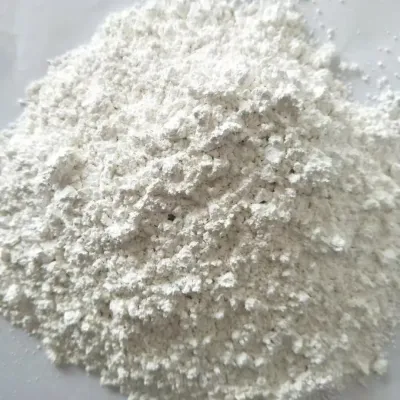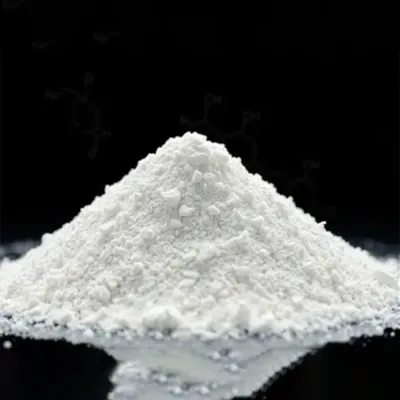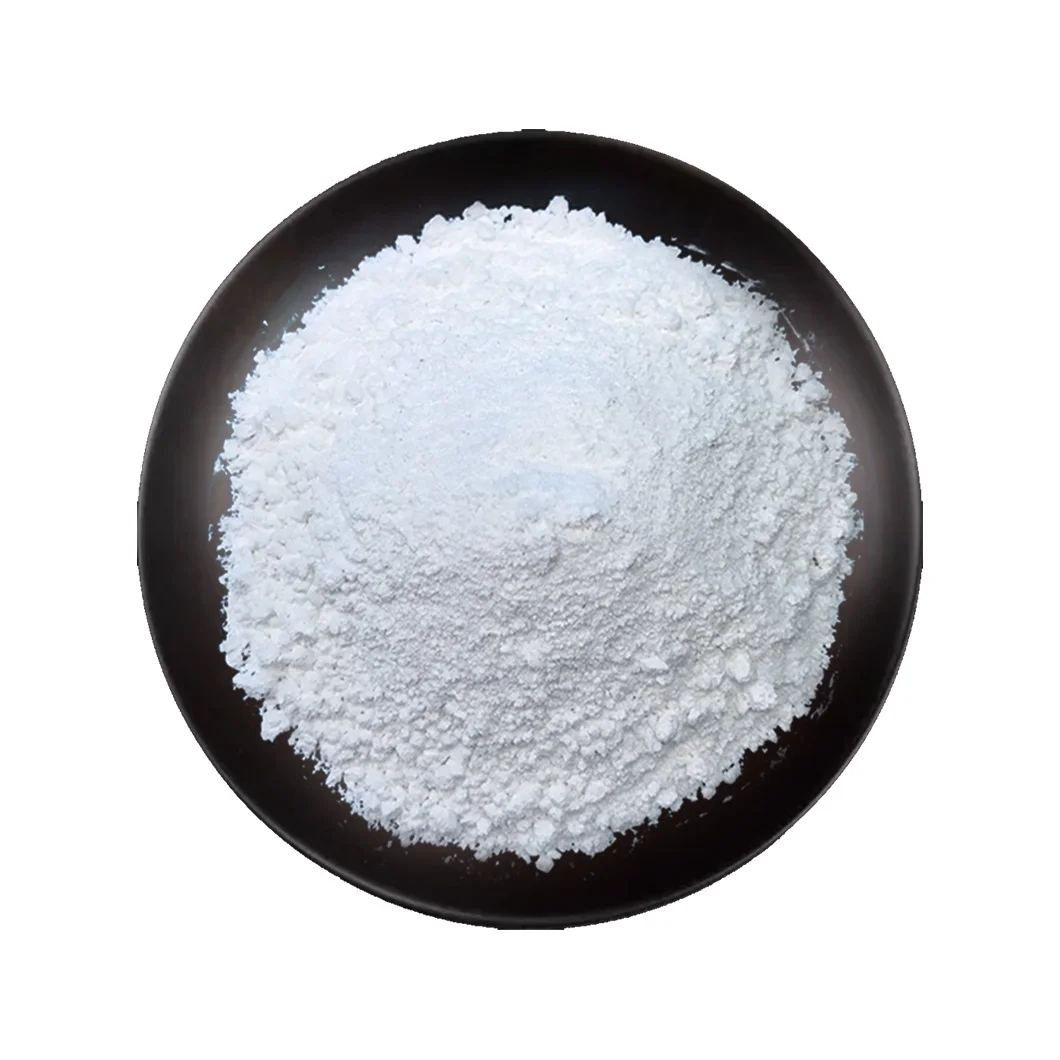
XM-PB07 Precipitated Barium Sulfate, 0.7μm D50 and 98.5% Whiteness for Paint, Coating, Plastic, Rubber and Ink
-
Particle-size designationD50 specifiedColorWhite
-
Physical formPowder
-
CAS No.7727-43-7Purity98.5%min
-
AppearanceWhite PowderApplicationCoating,Paint
-
ClassificationSulphateEINECS No.231-784-4
-
Grade StandardIndustrial GradeMolecular FormulaBASO4
-
Other Namesblanc fixeTypeBarium Sulfate
-
ColorWhiteD50 (μm)0.7
-
Whiteness98.5%Hs code2833270000
Which matters more for your paint comparison: assay, median particle size or whiteness? XM-PB07 precipitated barium sulfate provides a separate starting value for each, with 98.5% minimum purity, 0.7μm D50 and 98.5% whiteness in an industrial white powder.
Three different XM-PB07 comparison points
The assay identifies a chemical-content threshold, while D50 describes the middle of the measured particle distribution. Whiteness is another powder property altogether, so use each XM-PB07 value for its own question instead of allowing one number to stand in for finished coating performance.
Put the fine powder into a paint context
Paint and coating are the direct application directions for this precipitated blanc-fixe grade. Ask how the complete distribution, surface treatment and whiteness test relate to the binder and finish you intend to evaluate; the 0.7μm median alone does not predict dispersion or gloss.
When another matrix is the objective
Plastic, rubber and printing-ink projects need their own acceptance criteria for XM-PB07. A paint result can help frame the technical discussion, but it does not automatically approve the powder for a different formulation.
A grade-specific technical enquiry
Use XM-PB07 as the model reference when requesting current analysis and the measurement methods behind its powder properties. Include the intended matrix and the acceptance test that will decide the trial, so the reply can address the actual use rather than a general barium sulfate category.
The useful endpoint is an XM-PB07 trial supported by a complete size report and relevant formulation evidence. That keeps the fine precipitated powder comparison tied to the paint or polymer decision you need to make.