-
ColorWhitePhysical formPowder
-
CAS No.7727-43-7Purity98%-99%
-
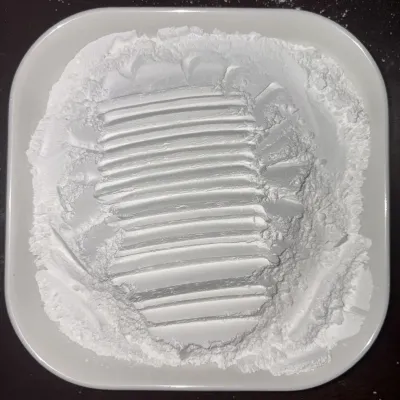
AppearanceWhite PowderApplicationPlastic,Rubber,Coating,Sealants
-
ClassificationSulphateGrade StandardIndustrial Grade
-
Molecular FormulaBaSO4Other NamesPrecipitated Barium Sulphate
-
TypeBarium SulfateModel NumberXM-PB07
-
D50(μm)0.5-0.7D97(μm)1.8-2.5
-
Whiteness98-99%pH7-8
-
Oil Absorption(G/100g)13-15Package25kg/Bag
-
CertificationISO9001Hs code28332700
-
Package AppearancecustomizedSampleFreely
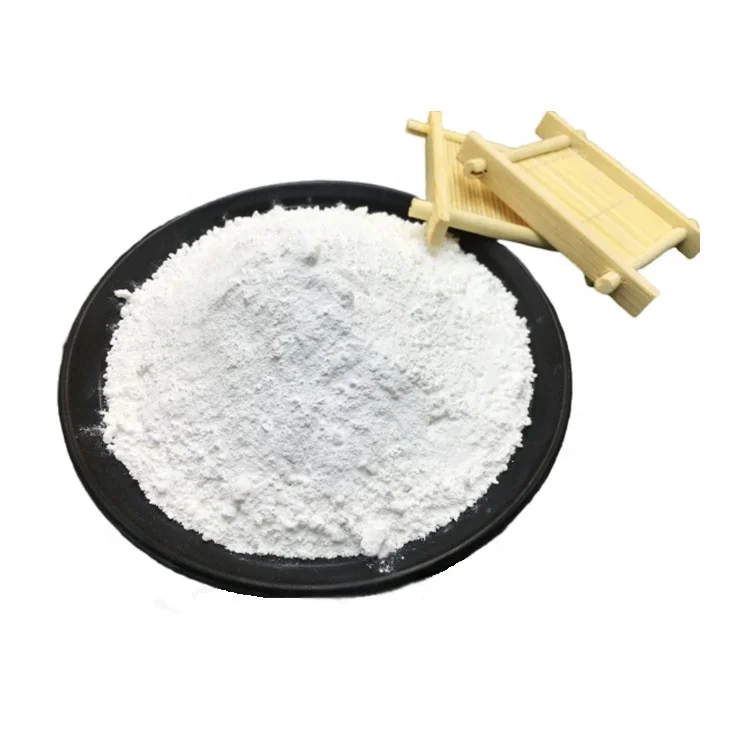
A transparency requirement belongs to the finished polymer and its test, not simply to the name of a mineral. XM-PB07 industrial precipitated barium sulfate provides a white powder candidate with 98–99% stated purity for a focused plastic-formulation enquiry.
Define the XM-PB07 optical assessment
Identify the receiving polymer and the transparency criteria that will decide acceptance. Evaluate XM-PB07 through the actual formulation rather than assuming an optical improvement from barium sulfate identity. Keep any processing or finished-property requirements in the same trial brief.
Read powder measurements before predicting polymer results
The XM-PB07 particle profile gives D50 of 0.5–0.7 μm and D97 of 1.8–2.5 μm. Its stated whiteness is 98–99%, with pH 7–8 also available for screening. Confirm the methods for comparing these powder measurements; they do not replace the optical test required for the finished plastic.
Ask for evidence that applies to the actual material trial
Request a matched grade specification and confirm the offered sample's composition and particle evidence. Agree a qualified incorporation approach for the intended polymer instead of assuming a universal replacement level. A defined trial can then assess whether the powder meets the process and finished-product targets together.
For XM-PB07, keep the optical question attached to the specific polymer and test method. Rubber, coatings and sealants are additional stated directions, but each requires its own assessment rather than inheriting a conclusion from the plastic trial.