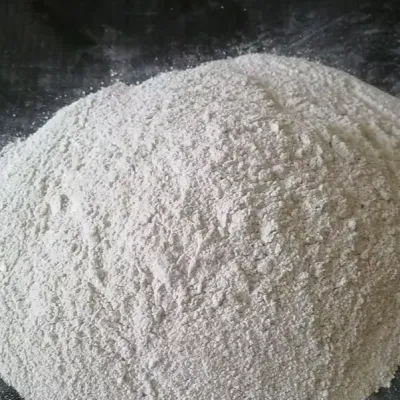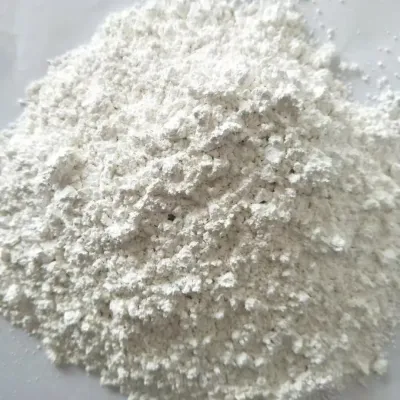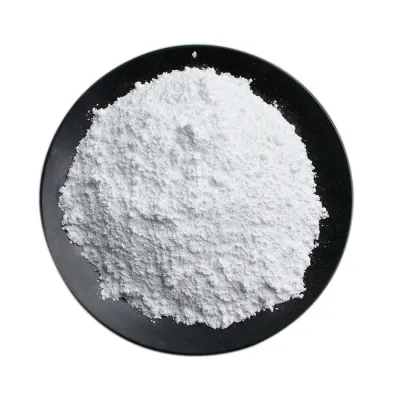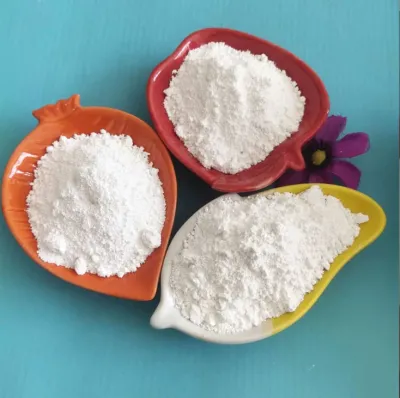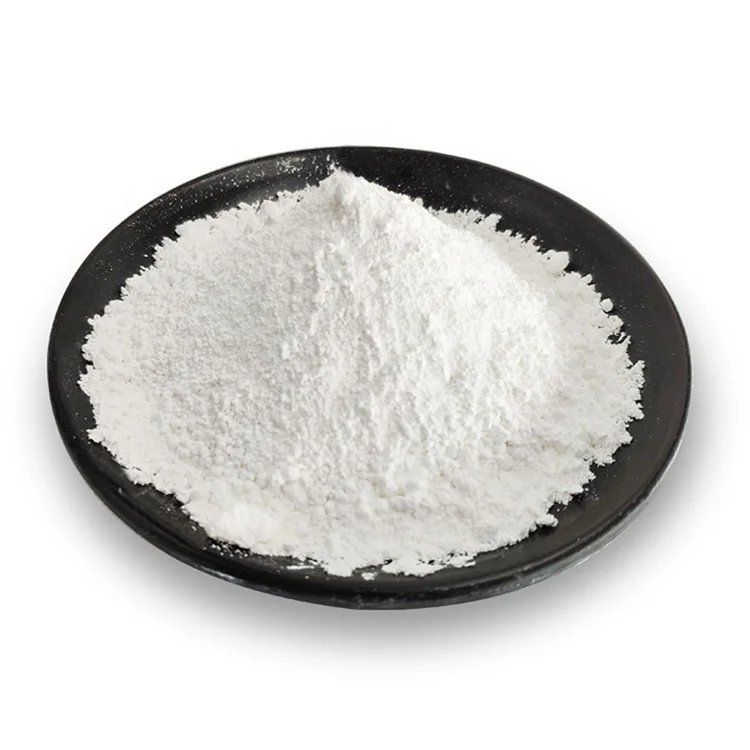
XM-PB07 Precipitated Barium Sulfate for Plastic Trials, 98–99% Purity and D50 0.5–0.7 Microns
-
Particle-size designationD50 specifiedColorWhite
-
Physical formPowder
-
CAS No.7727-43-7Purity98%-99%
-
AppearanceWhite PowderApplicationPlastic,Rubber,Coating,Sealants
-
ClassificationSulphateGrade StandardIndustrial Grade
-
Molecular FormulaBaSO4Other NamesPrecipitated Barium Sulphate
-
TypeBarium SulfateModel NumberXM-PB07
-
D50(μm)0.5-0.7D97(μm)1.8-2.5
-
Whiteness98-99%pH7-8
-
Oil Absorption(G/100g)13-15Package25kg/Bag
-
CertificationISO9001Hs code28332700
-
Package AppearancecustomizedSampleFreely
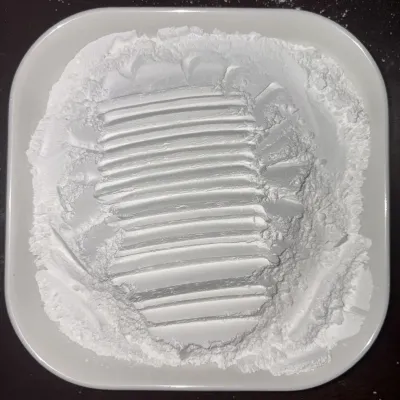
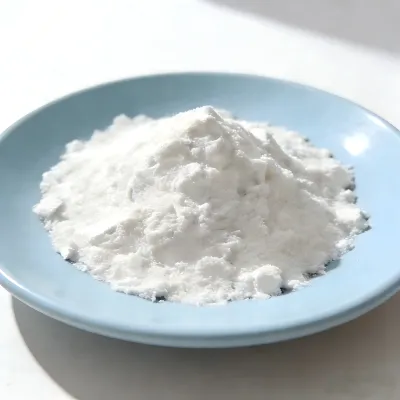
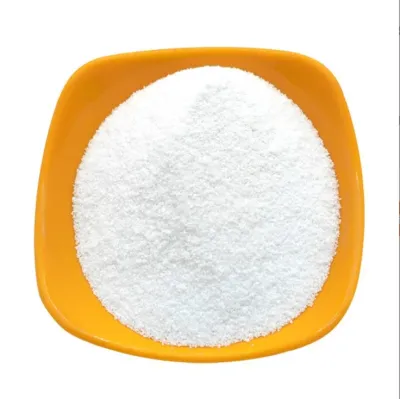
XM-PB07 is an industrial precipitated barium sulfate white powder for plastic formulation evaluation, with purity of 98–99%. Its D50 range of 0.5–0.7 microns and D97 range of 1.8–2.5 microns provide separate particle criteria for a defined resin trial.
Choose the actual XM-PB07 grade within the ranges
Confirm the offered assay, particle criteria and relevant impurity limits before comparing samples. A range across the material offering is not a single committed result, so the proposed plastic project should identify which actual grade and analysis will accompany its trial.
Keep optical and absorption tests distinct
The whiteness range is 98–99%, while oil absorption is 13–15 g/100g and pH is 7–8. Agree the optical reference, absorption method and pH preparation separately rather than treating the chemical assay percentage as an appearance or processing result.
- Resin brief
- Identify the plastic grade, intended sulfate role and processing route for the XM-PB07 sample.
- Powder comparison
- Request the actual measured distribution and methods behind the D50 and D97 criteria.
- Supporting grade documents
- Obtain current composition and safety information, with any treatment specification relevant to the proposed process.
Assess each formulation direction in its actual matrix
Rubber, coatings and sealants are additional identified uses, with their own process and finished-product requirements. A plastic result does not establish compatibility or performance in another matrix, and an ISO9001 requirement needs applicable current documentation rather than a certificate label.
For XM-PB07, use the committed grade's assay, size and optical criteria to define a meaningful plastic comparison. The representative resin trial should establish whether the proposed powder meets the actual processing and article requirements rather than a broad formulation-improvement claim.