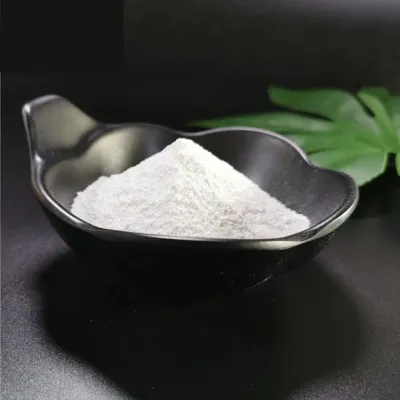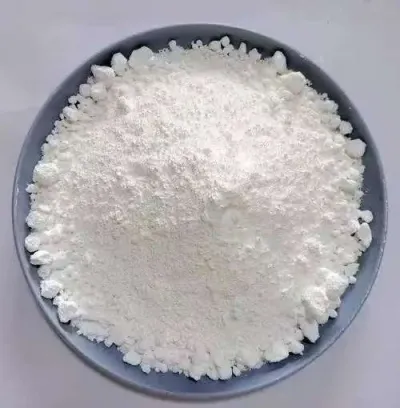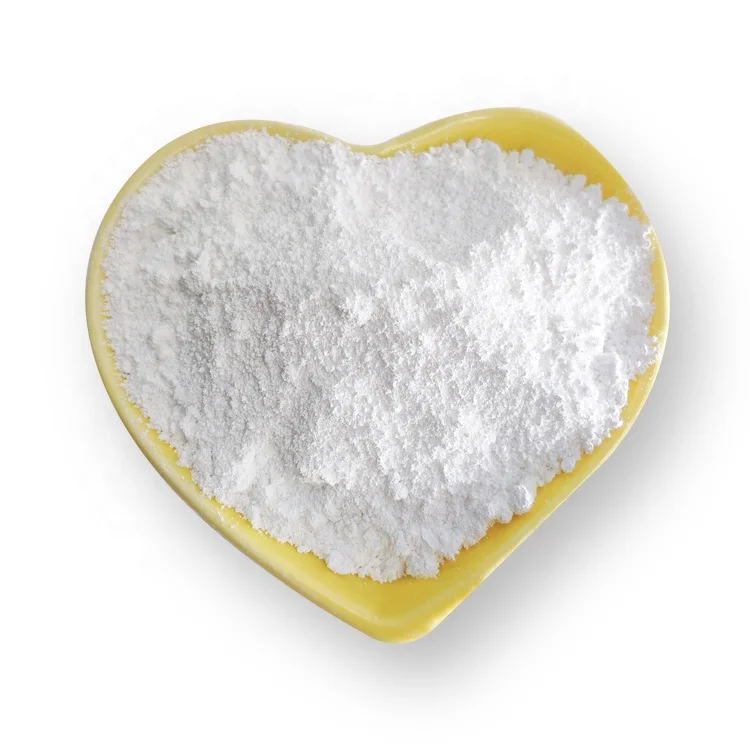
XM-SL2200 Heavy Calcium Carbonate CaCO3 White Powder for Paint, Coatings, Rubber and Plastic
-
Particle-size designationMesh designationColorWhite
-
Physical formPowder
-
CAS No.471-34-1Purity98.8% min
-
Appearancewhite powderApplicationCOATING RUBBER PLASTIC
-
ClassificationCarbonateEINECS No.207-439-9
-
Grade StandardIndustrial GradeMolecular FormulaCaCO3
-
TypeCalcium CarbonateModel NumberXM-SL2200
-
D50 (um)4.6D97 (um)10
-
Whiteness (%)97Moisture (%)0.3
-
Sieve Residue On 325 Mesh (%)0.01PH Value7.5~9.5
XM-SL2200 brings a defined particle profile to a heavy calcium carbonate enquiry. This industrial white CaCO3 powder has stated minimum purity of 98.8%, with D50 of 4.6 μm and D97 of 10 μm. Paint and coating, rubber and plastic are the identified evaluation contexts.
Read the two particle percentiles together
The D50 and D97 values describe different parts of the reported size distribution. The stated residue on a 325-mesh sieve is 0.01%. Request the complete particle report and sieve procedure when deciding which measurements belong in the project's acceptance criteria.
Carry moisture and colour into the comparison
Whiteness is stated as 97%, moisture as 0.3% and pH as 7.5–9.5. Ask for the whiteness reference, moisture test basis and pH preparation method before comparing reports from different materials. The moisture figure should be evaluated with its actual test basis and agreed acceptance limit.
Build a coating or polymer trial around the recipe
For a paint enquiry, specify the binder and the finished-film properties to be measured. Rubber and plastic buyers should identify their actual compound and processing conditions. Confirm whether any surface treatment or particular production route is required, then evaluate the sample within that defined system.
- What should accompany the sample?
- A current assay and the particle, colour, moisture and pH reports relevant to the proposed tests.
- What determines acceptance?
- The agreed processing and finished-material results, rather than chemical identity or a single particle value alone.