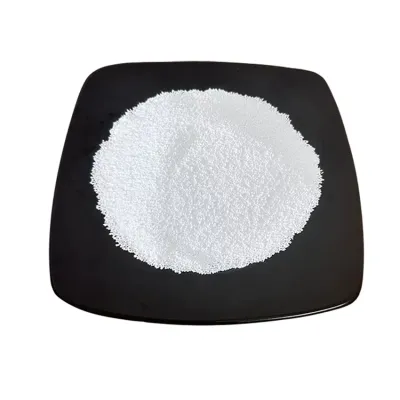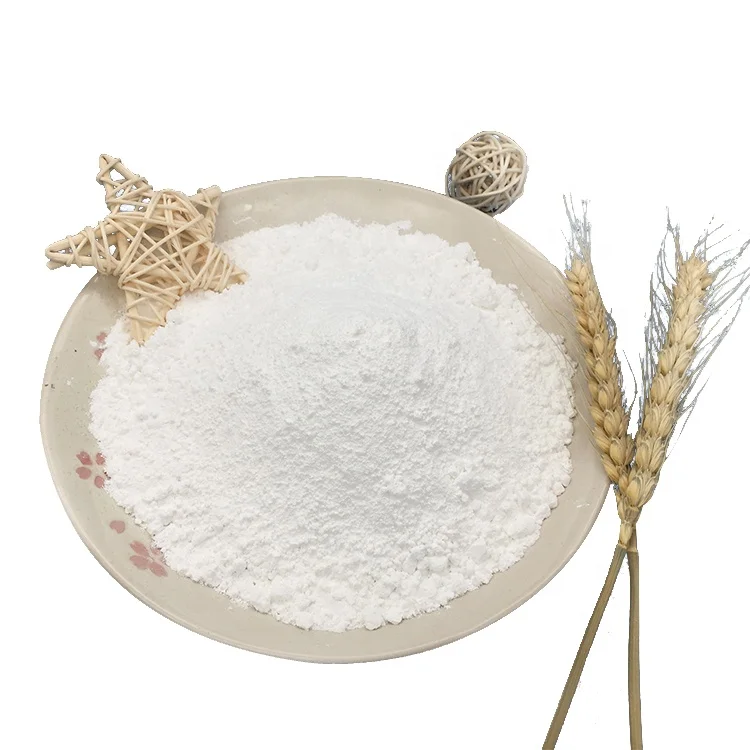
XM-SP10 Anhydrous Sodium Sulphate White Powder, 99% Industrial Grade for Textile Dyeing, Glass and Detergent
-
ColorWhitePhysical formPowder
-
CAS No.7757-82-6Purity99%
-
AppearanceWhite PowderApplicationGlass industry
-
ClassificationSulphateGrade StandardIndustrial Grade
-
Molecular FormulaNa2SO4Other Namessodium sulphate anhydrous
-
TypeSodium SulphateModel NumberXM-SP10
-
CAS number7757-82-6CertificationISO9001
-
Whiteness86%Packing25kg/ Plastic Woven Bag
-
UsageChemical industryUsage 1Textile industry
-
Usage 2porcelain glazeUsage 3Filler for synthetic detergent
-
Usage 4analytical reagentSampleAvailiable
A textile-chemical enquiry for XM-SP10 starts with anhydrous sodium sulphate identity and a 99% purity requirement. This industrial white powder is also identified for glass, synthetic-detergent filling and porcelain glaze, so the intended process should define which additional acceptance criteria matter.
Define the textile-process role
XM-SP10 is presented for textile-industry evaluation, including a dyeing context in its product name. Specify the actual textile process and the required chemical limits before approval; the sodium sulphate name alone does not establish a dyeing result, process recipe or compatibility with every colourant system.
Compare the anhydrous grade by acceptance criteria
The Na2SO4 formula and CAS 7757-82-6 identify the anhydrous sodium salt, while 86% whiteness is a separate appearance measure. Match the 99% assay and any impurity limits to the process specification, and agree the whiteness test basis where colour or appearance affects material selection.
- Textile evaluation
- Define the process-specific composition and impurity requirements for XM-SP10.
- Glass or glaze comparison
- Request the specification relevant to the intended glass or porcelain-glaze formulation.
- Detergent filling
- Assess a representative XM-SP10 sample against the actual detergent raw-material criteria.
Require the right grade evidence
The industrial classification does not establish analytical-reagent qualification, even where a laboratory use is proposed. Obtain current product-specific analysis and safety documentation, and request applicable proof for any certification requirement rather than assuming that a source label supplies the required scope.
Samples are identified as available for XM-SP10; make the sample request specific to the anhydrous grade and the textile or other industrial acceptance tests that will decide the purchase.