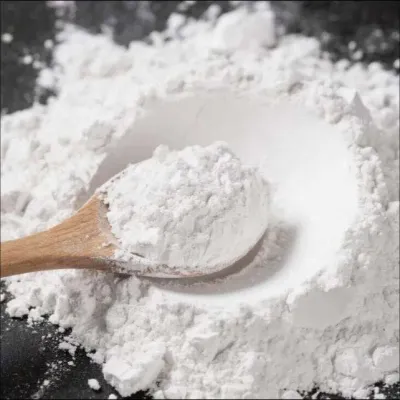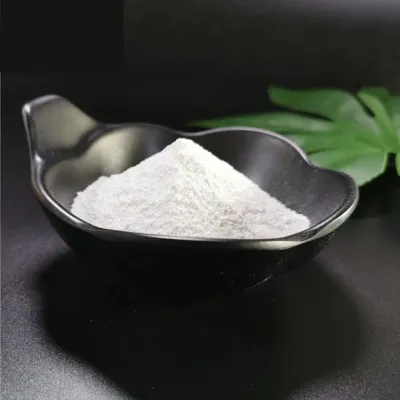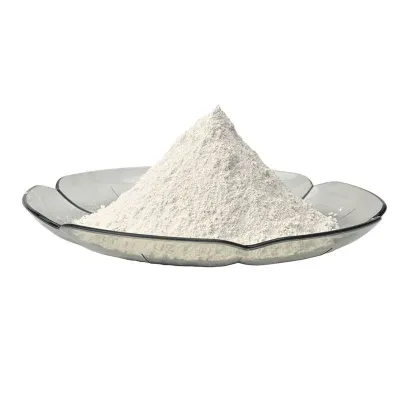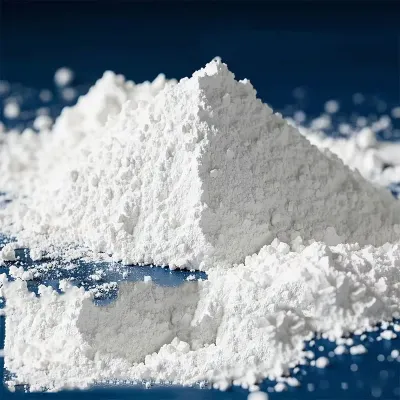
XM-T288 Industrial Titanium Dioxide TiO2 Pigment Powder, 94% Purity for Paint, Ink and Powder Coatings
-
ColorWhitePhysical formPowder
-
CAS No.13463-67-7Purity94%
-
Model NumberXM-T288Appearancewhite
-
Applicationpigment, paint, industrial ink and powder coating.ClassificationTitanium Dioxide
-
Grade StandardIndustrial GradeMolecular Formulatio2
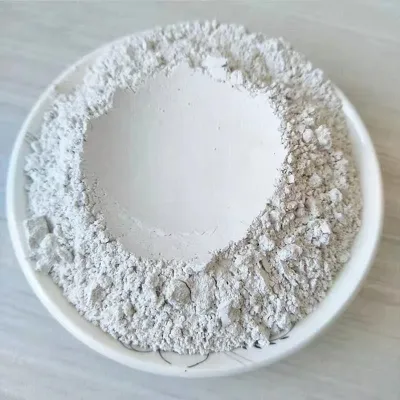
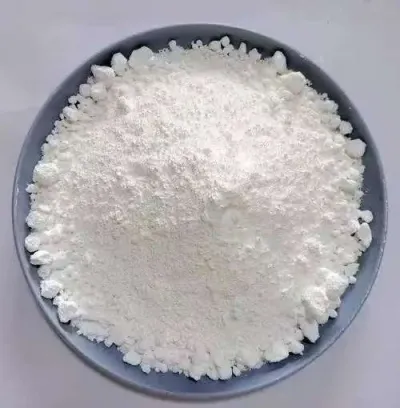
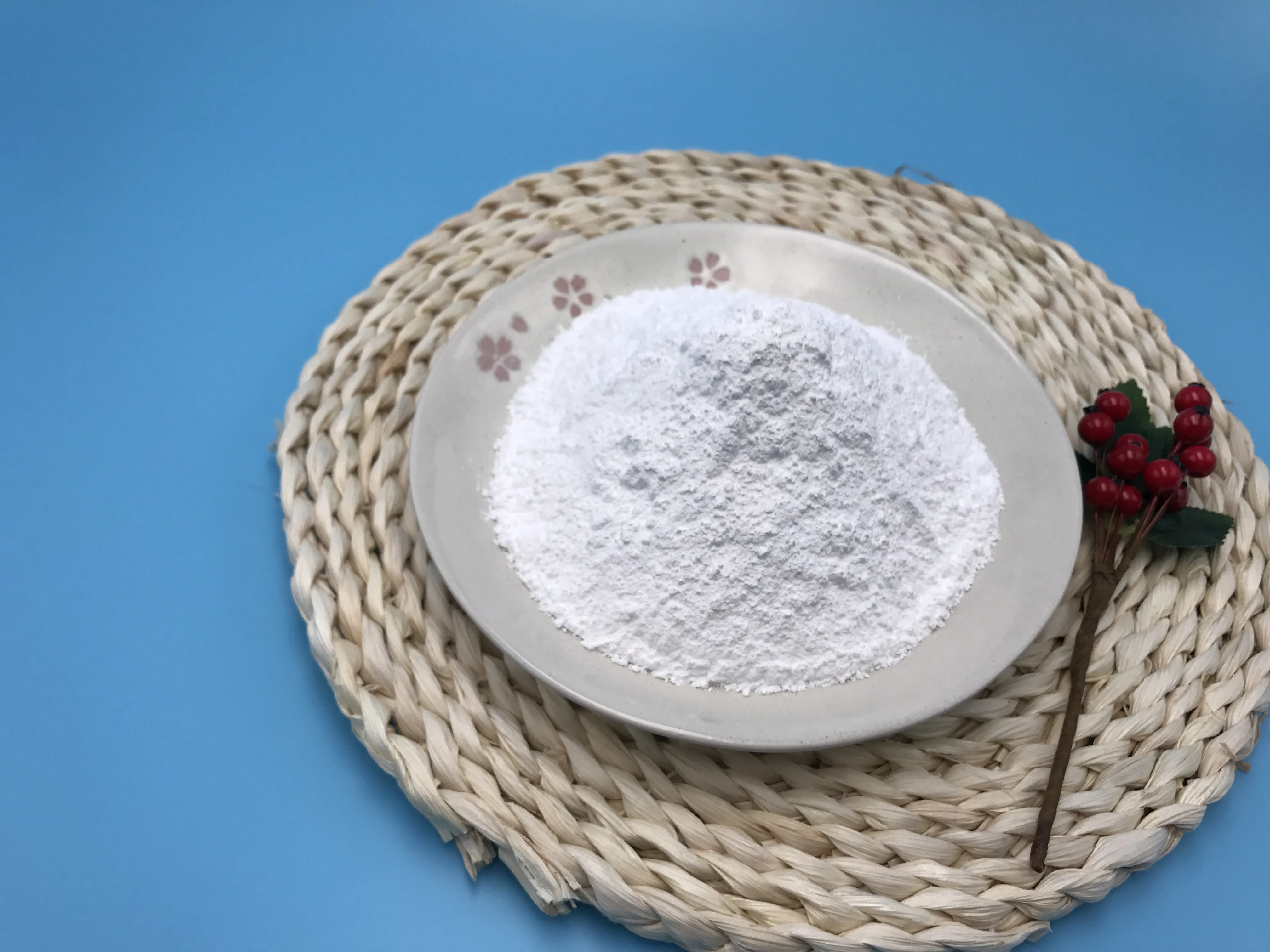
XM-T288 is a white industrial titanium dioxide pigment powder with a stated purity of 94%. Paint, industrial ink and powder coatings are its identified application directions, giving the enquiry a clear pigment context without establishing a particular optical result.
Identify the XM-T288 pigment grade precisely
Use the model, TiO2 formula and supplied CAS 13463-67-7 to reconcile the proposed material with current technical and safety documents. Request the actual crystal form and any surface-treatment specification rather than inferring rutile, anatase or treatment chemistry from the model code.
Define the optical result for the chosen binder
The 94% purity value concerns composition and does not itself quantify opacity, tinting strength or colour in a finished film. Agree the relevant optical tests in the actual paint, ink or powder-coating system, with a defined comparison reference and representative processing conditions.
- Describe the binder and intended pigment role for the XM-T288 sample.
- Request current assay, particle information and treatment details for the offered grade.
- Agree the appearance and process tests needed to approve the trial.
Keep application approval specific to the system
An industrial-ink assessment may need different criteria from a paint or powder-coating comparison. Use the actual matrix to establish dispersion, colour and any other required result; the industrial classification and white appearance do not supply a universal compatibility or durability conclusion.
For XM-T288, connect the confirmed pigment identity and 94% assay to an explicit grade specification. A relevant formulation trial can then establish whether the proposed powder meets the project's optical and processing requirements, with any additional performance claim supported by results for that actual system.