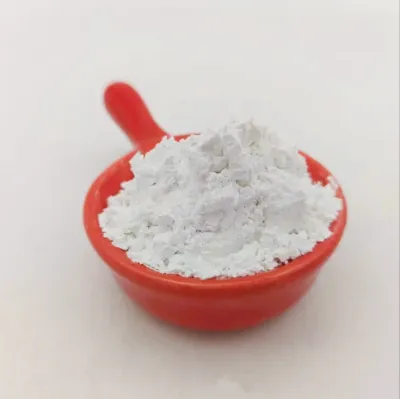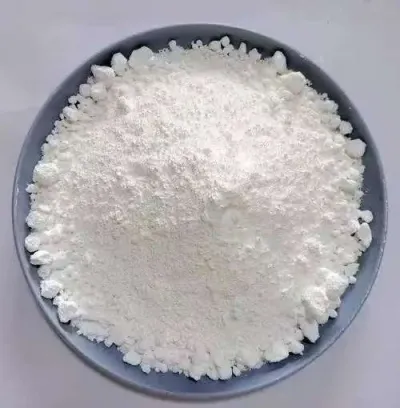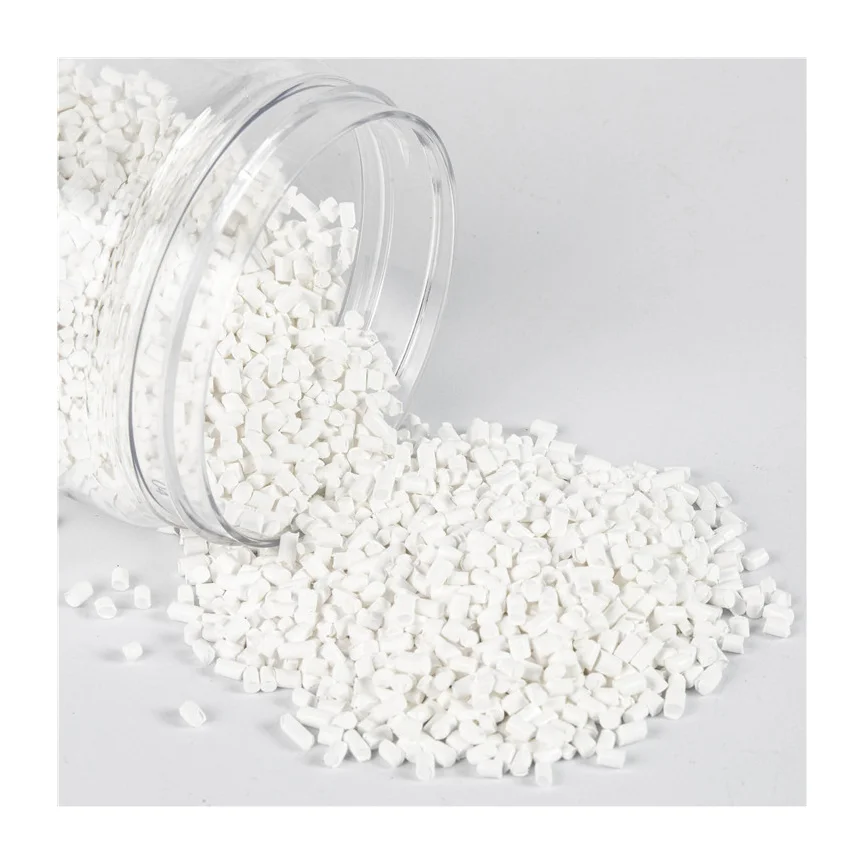

XM-T90-8 Barium Sulphate Additive Masterbatch with LDPE/LLDPE for Film-Blowing and Molding Trials
-
ColorTransparentPhysical formMasterbatch , Granular
-
CAS No.7757-82-6Purity80%
-
Appearancetransparent granuleApplicationplastic, Film Blowing
-
ClassificationSulphateGrade StandardIndustrial Grade
-
Molecular FormulaBaSO4TypeBarium Sulfate
-
Model NumberXM-T90-8Hs code28331900
-
CertificationISO9001Usage10%-50%
-
Packing25KG/BagApplication 1Injection Molding
-
CarrierLDPE+ LLDPEFeatureHigh Transparent
-
MFI8-12g/10minSampleAvailiable
A manufacturing comparison becomes useful when the film acceptance criteria are clear. XM-T90-8 is an industrial barium sulphate additive masterbatch, supplied as granules with an LDPE/LLDPE carrier for film-blowing and injection-molding evaluation.
Write the XM-T90-8 film acceptance brief
Identify the film polymer, the intended product and the optical or processing tests that will decide the comparison. These details help connect the carrier-defined masterbatch to one actual application, rather than an unmeasured promise to improve every manufacturing process.
Make flow comparisons under the same method
The XM-T90-8 MFI range needs its temperature, load and method before it can be compared fairly with another material. Ask for current composition and batch documentation as well, keeping the melt-flow question separate from film clarity or finished-product performance.
A focused technical question
Which grade specification and test conditions apply to the offered XM-T90-8? Resolving that question lets the film trial evaluate a defined material instead of relying on a broad masterbatch label.
Qualify molding as its own route
Injection molding is another application direction for XM-T90-8, but a film trial does not establish acceptance in a molded part. Match the actual polymer and part criteria to a separate evaluation, and do not infer finished-film transparency from the granules' appearance.
Request a sample with the XM-T90-8 model and the project's evaluation brief. A confirmed material specification and relevant trial make the film or molding decision concrete without assuming a universal addition level or process-efficiency gain.