
Calcium Carbonate Powder for Filler Masterbatch Production
If you compound filler masterbatch, you are buying mineral feedstock for a carrier system, not simply the cheapest white powder. Relia's GCC, PCC and treated calcium carbonate candidates can be compared around your loading and downstream application. This guide connects powder preparation, surface treatment and moisture to feeding, dispersion, pellet quality and the finished-plastic trial that supports your grade decision.
From Your Requirement to a Defined Grade
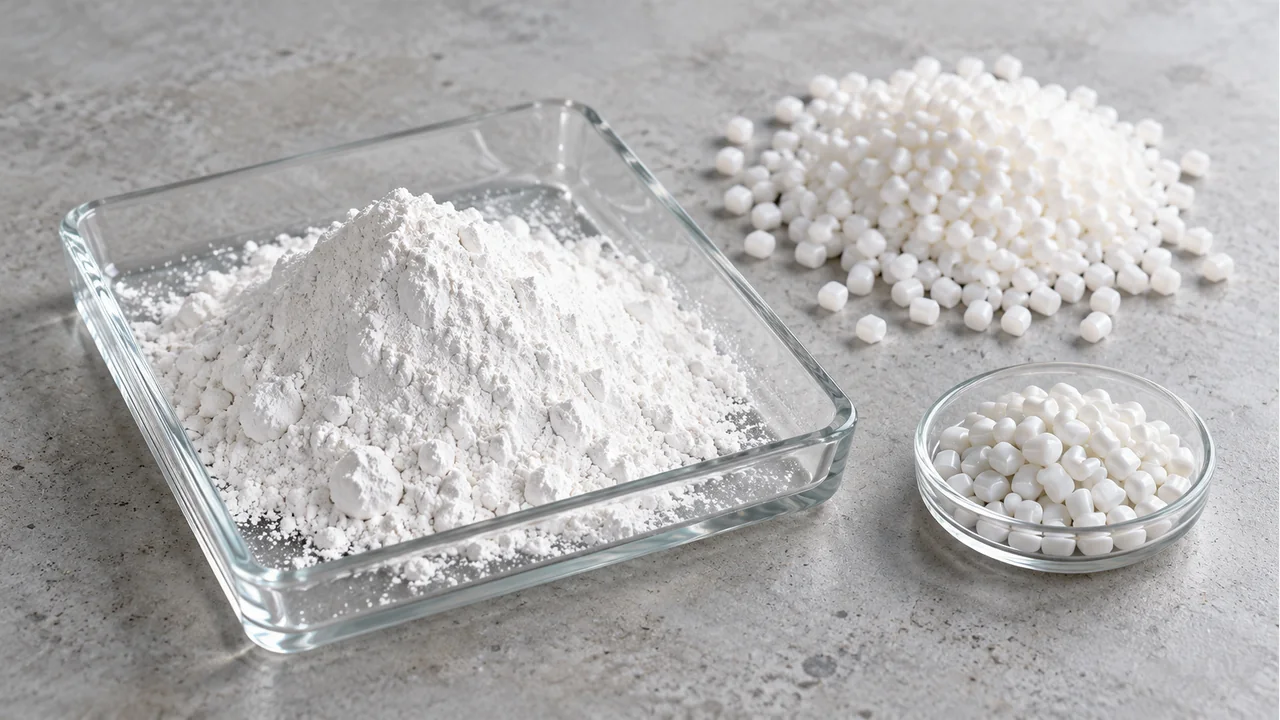
Relia manufactures ground, precipitated and selected surface-coated calcium carbonate grades in China through its own factories.
Relia's calcium carbonate manufacturing focus makes the powder specification central to this enquiry. Give Relia the carrier resin, target mineral fraction and the application of the finished masterbatch. Relia's listed powders are candidate feedstocks; a powder grade and a finished carrier pellet remain separate products with separate acceptance data.
Carrier
Resin and downstream use
Powder condition
Moisture and treatment
Compounding
Feeding and dispersion
Masterbatch
Target mineral content and acceptance
Powder Feedstock for the Intended Carrier
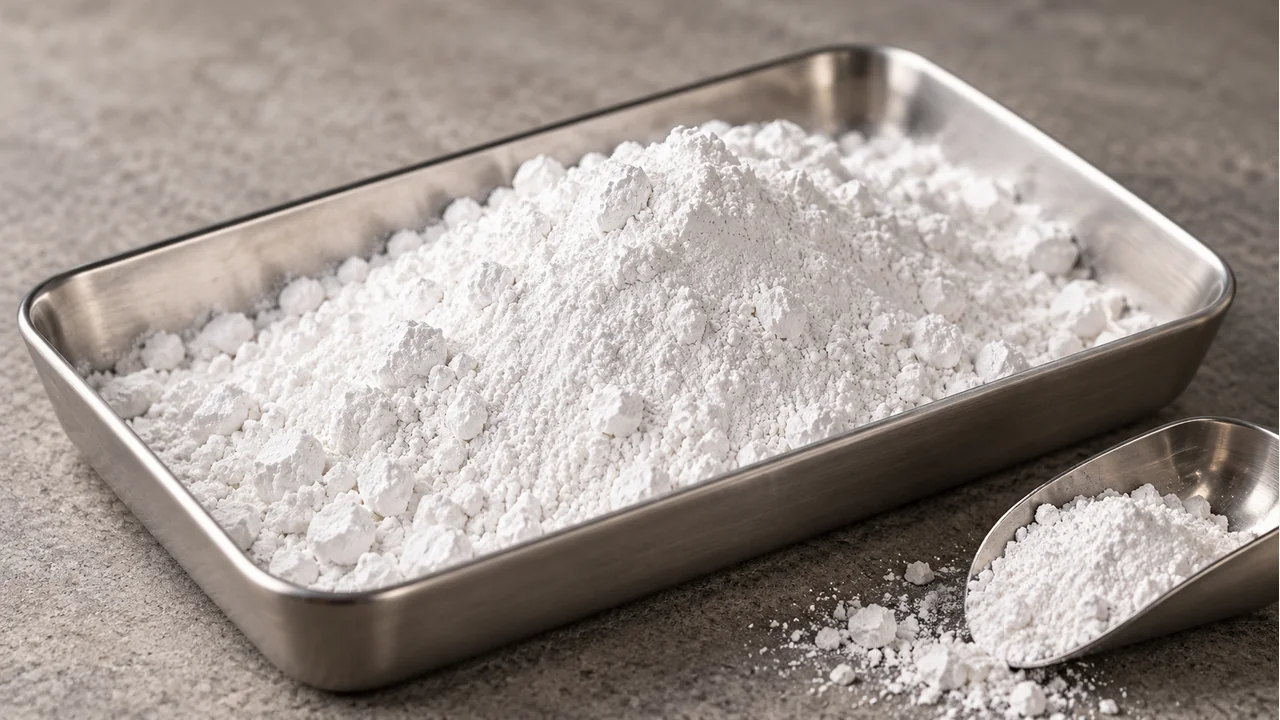
Our shortlist distinguishes powder feedstock from finished masterbatch pellets. XM-300 lists average size 1.5 μm and D97 3.8 μm; XM-400 is listed as a 1000-mesh powder with 98.5% purity. Coated GCC and standard light PCC provide further routes for the intended carrier and final application.
Powder Data for the Compounding Brief
| Review area | Listed data and acceptance basis |
|---|---|
| XM-300 | Average size 1.5 μm, D97 3.8 μm and whiteness 97% listed. Keep average size distinct from D50. |
| XM-400 | 1000-mesh designation and purity 98.5% listed. Confirm units for its additional particle figures. |
| Coated GCC | CaCO3 ≥98.5% listed; identify the selected mesh option, treatment chemistry and moisture requirement. |
| Light PCC | Standard grade listed at 96% purity; obtain particle and physical data for the actual proposed powder. |
Grades to Review Together
Use these listed candidates to start a grade-specific discussion with us.
Compounding at the Intended Loading
Record powder feeding, the relevant processing observations, dispersion and the compounded material. For a film route, continue to the intended film trial and inspect the defects and properties in your acceptance plan. A fine powder specification alone does not establish a high-loading recipe.
Trial controls — Define the carrier: State PE, PP or the actual resin and the downstream film or part requirements. Control powder condition: Compare moisture, treatment, distribution and feeding behaviour at the planned compounding conditions. Approve the final route: Evaluate the masterbatch and its downstream use before extending the accepted powder to another application.
Particle Preparation and Surface Condition
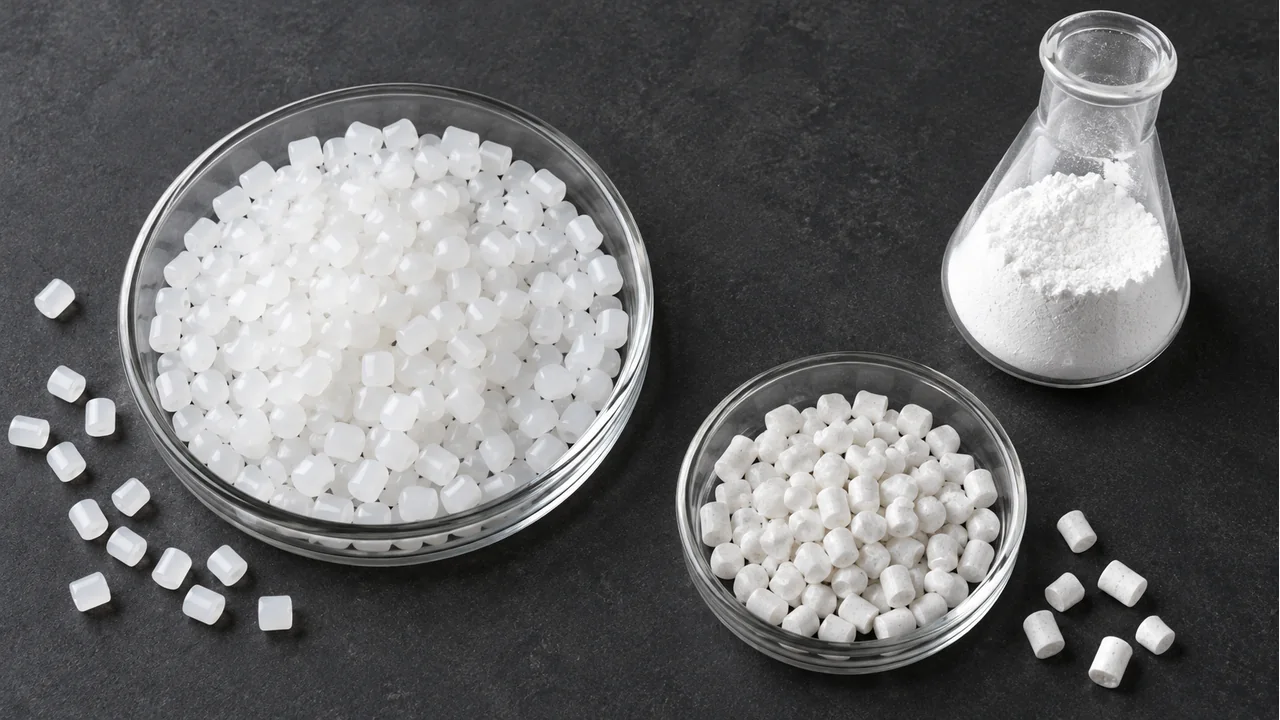
Mineral preparation comes before your compounding stage. Classification controls distribution, coating modifies the mineral surface, and drying or storage affects moisture condition. Your feeder, mixing and pelletising process then creates the masterbatch. Record the input powder separately from pellet dispersion and downstream performance to locate the source of any variation.
GCC: dry and wet routes
Relia uses both dry- and wet-grinding routes for GCC. Grinding and classification are connected to the selected powder's particle specification.
PCC: crystal formation
Relia produces PCC through calcination, slaking and carbonation. The precipitation route forms new particles rather than only grinding the starting mineral.
Selected surface-coated grades
Relia applies surface coating to selected carbonate grades. The actual treatment and intended application remain part of the grade discussion.
Defined carbonate checks
Routine batch checks cover whiteness, moisture and purity. Particle size and oil absorption are checked according to the grade or order requirements.
- Distribution
- Retain average size, D50 and D97 as their actual reported measurements.
- Surface
- Connect a treatment declaration with the application and absorption or wetting evidence.
- Identity
- Keep the selected grade and relevant method with the sample comparison.
Powder Approval and Downstream Use
Link powder model, masterbatch batch and downstream result in one approval record. That lets you discuss a repeat powder order using a known carrier and loading, while identifying a carrier, treatment or final-use change that needs another evaluation.
Related Buying Routes
Start with Your Material Brief
Send us the details below to review a concrete grade proposal and the next evaluation step.
Qingdao Relia Industries Co., Ltd. · China manufacturing of industrial minerals, chemicals and the listed packaging products.
10 / 11Speak with Our Materials Team
Qingdao Relia Industries Co., Ltd.
Tell Relia the material, application, required grade, quantity and destination. Include the product link or the key limits you already use, so the next conversation starts with a concrete proposal.
Phone
+86 18561762631Call to discuss your enquiry.Qingdao contact address
Shuyuan Road, Qingdao,Shandong, ChinaQingdao contact address for the company.