1250 Mesh Heavy Ground Calcium Carbonate GCC 96% CaCO3 White Industrial Powder for Paint, Plastic and Building
-
Particle-size designationMesh designationColorWhite
-
Physical formPowder
-
CAS No.471-34-1Purity96%
-
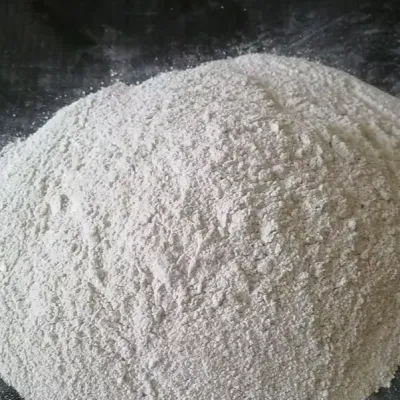
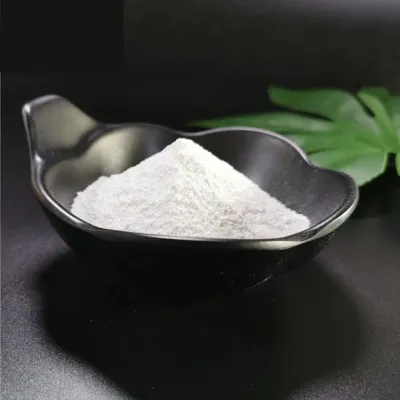
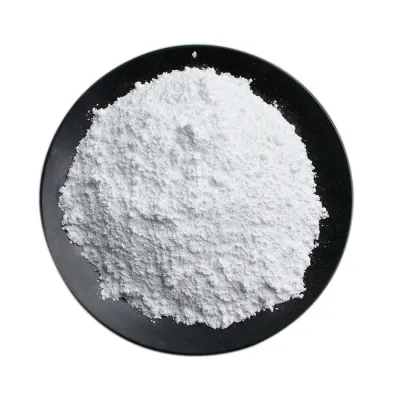
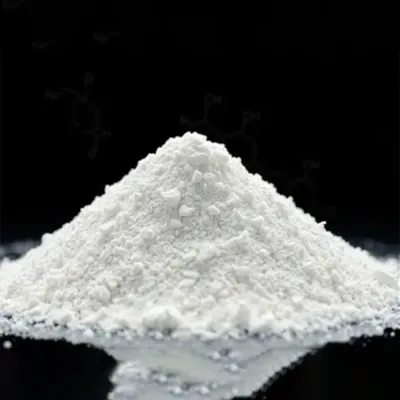
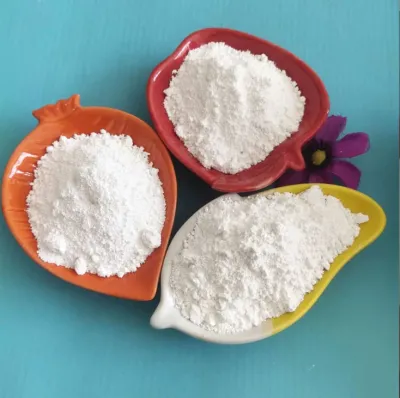
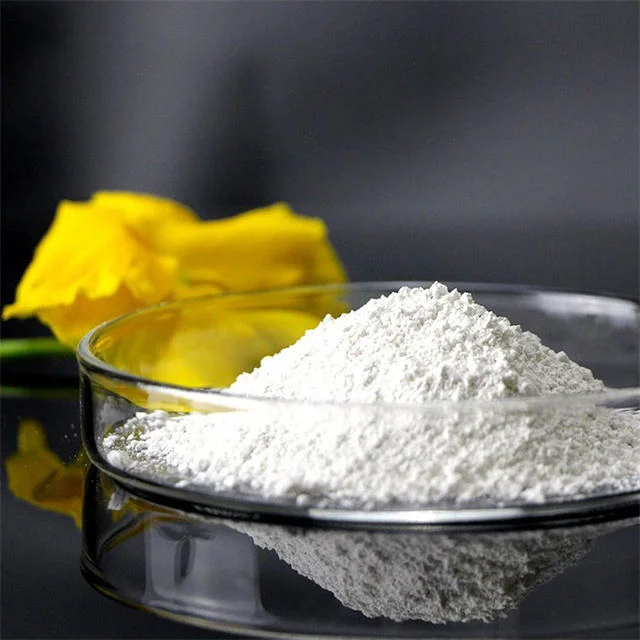
Appearancewhite superfine powerApplicationPaint, Plastic, Rubber, Paper Making, Building
-
ClassificationCarbonateEINECS No.207-439-9
-
Grade StandardIndustrial GradeMolecular FormulaCaCO3
-
TypeCalcium Carbonate
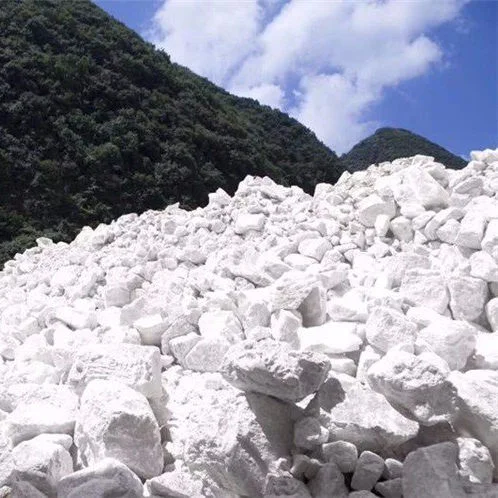
Keep the ground calcium carbonate identity and actual model reference together when comparing this GCC. The industrial heavy CaCO3 is described as white superfine powder with stated purity 96% and a 1250 Mesh model designation, for application assessment.
Separate material acceptance from application acceptance
Request current composition and relevant impurity analysis for the proposed sample. Then describe the particular paint, plastic or building formulation and the properties used to judge a candidate. A chemical figure alone does not qualify the material for every system within those uses.
Ask how the 1250 Mesh model is measured
Obtain particle-distribution or sieve results with their method. The grade designation does not establish an exact micron distribution. Request optical measurements separately where numerical whiteness matters, rather than treating white appearance as a measured advantage.
- Confirm any treatment using evidence for the actual sample.
- Request moisture or oil absorption where required by the application.
- Use the same material reference across the technical and analysis reports.
Judge the proposed GCC through representative evidence
Agree the evaluation conditions and compare observations against the actual brief. Heavy does not specify density, and GCC does not establish surface treatment or verified formulation performance. No dispersion, coating result, reinforcement or addition ratio follows from the names alone. Rubber and paper making are further named assessment areas needing independent qualification. Retain current safety information with the sample reference and trial record so the conclusion remains tied to the material and use evaluated.