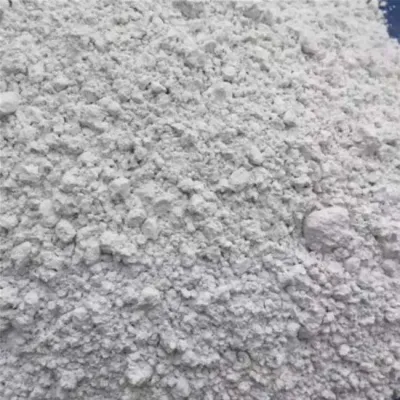
325 Mesh Calcium Hydroxide Hydrated Lime Ca(OH)2 for Wastewater Treatment, Construction and Coating Evaluation
-
Particle-size designationMesh designationColorWhite
-
Physical formPowder
-
CAS No.1305-62-0Purity90-97%
-
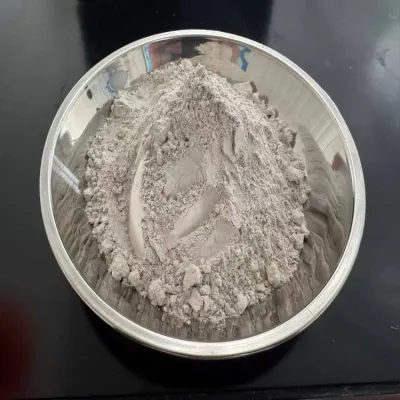
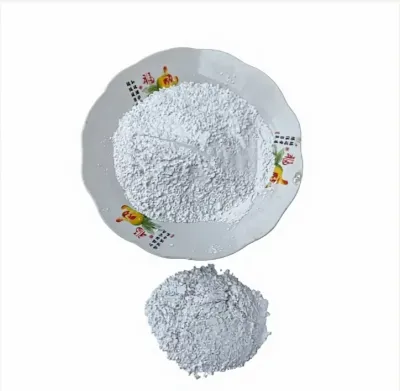
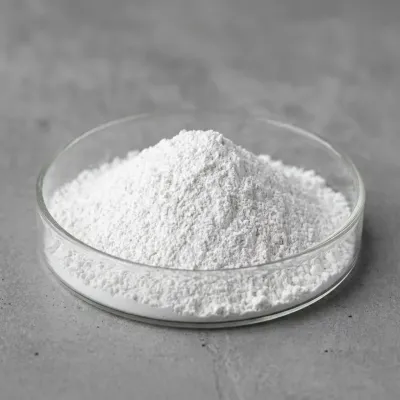
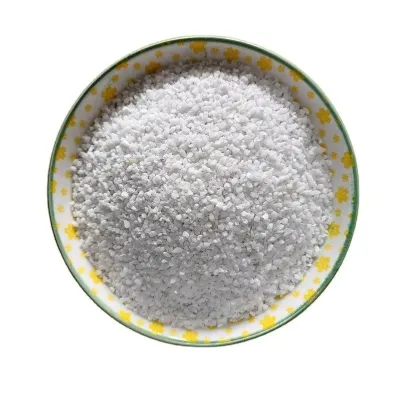
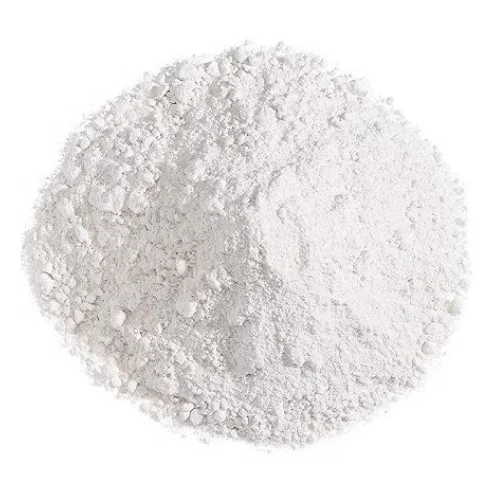
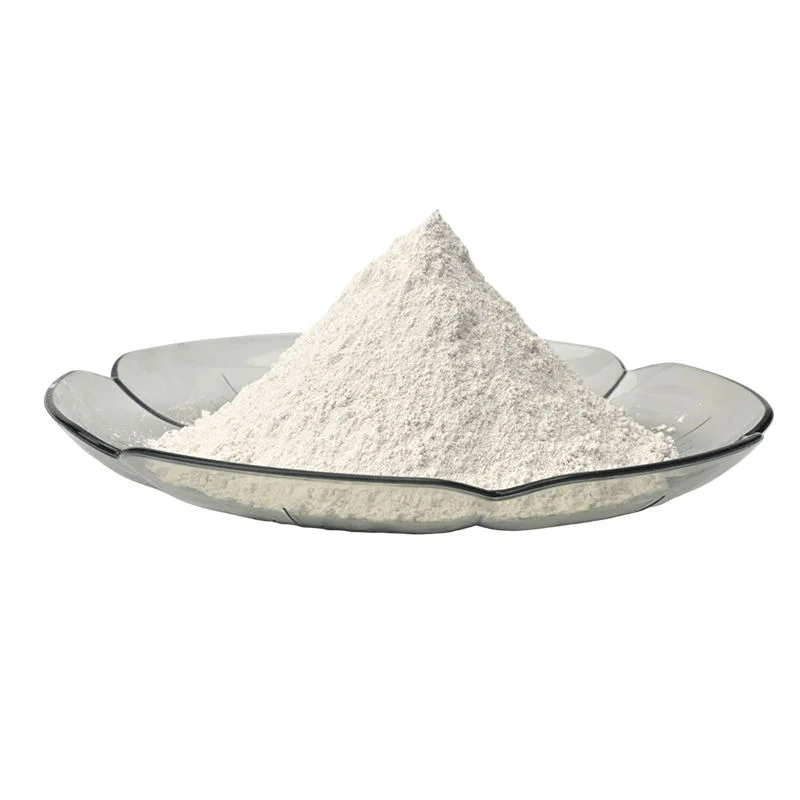
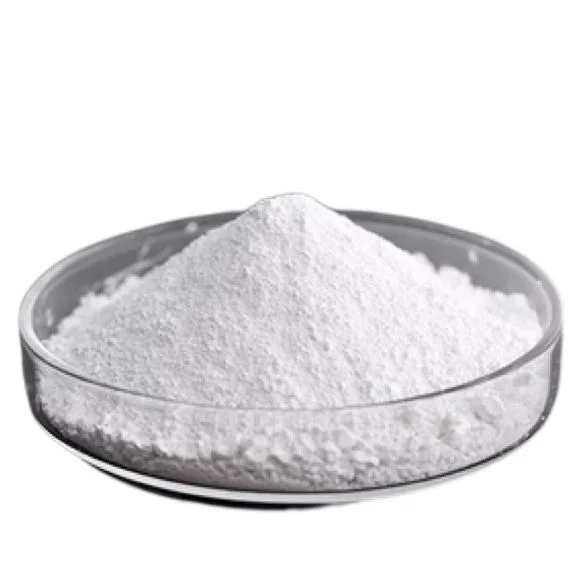
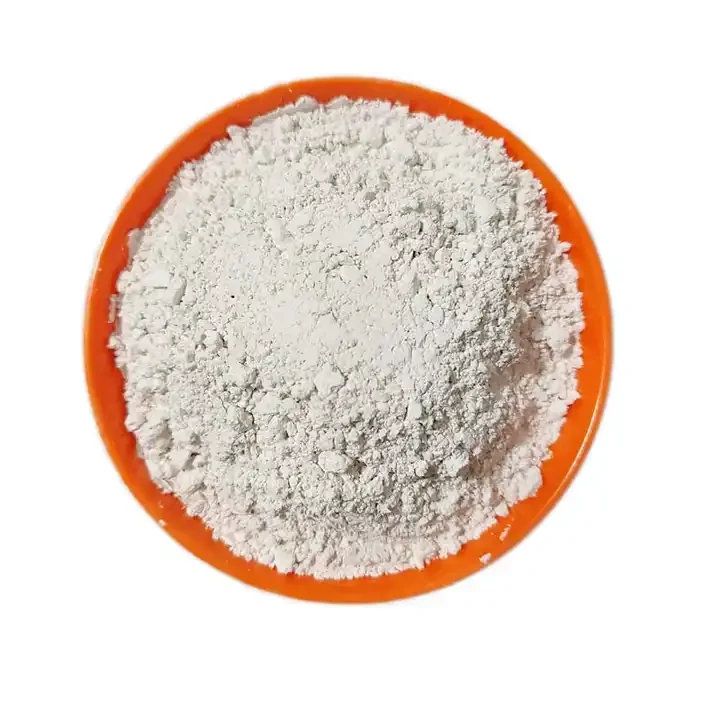
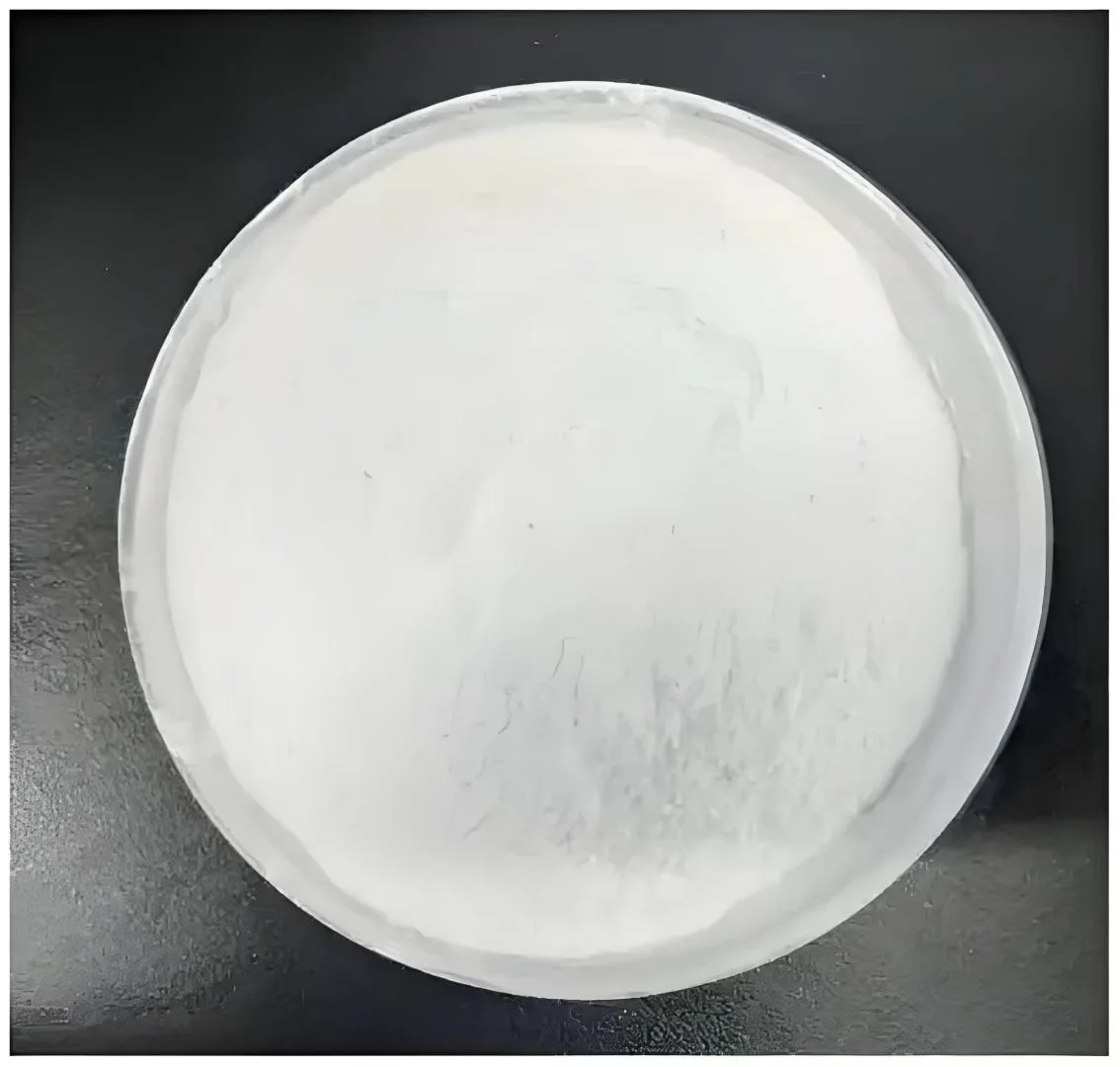
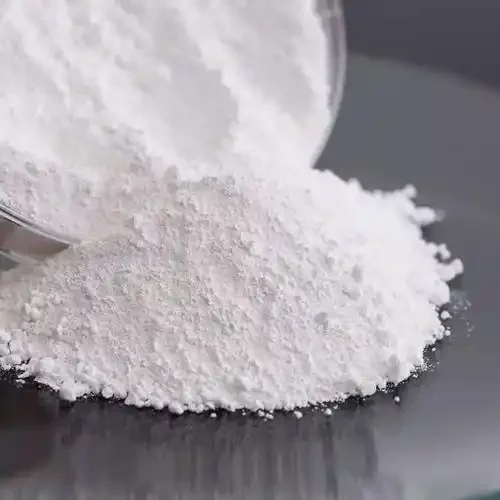
Appearancewhite powderApplicationWastewater Treatment, Construction, Coating
-
ClassificationCalcium HydroxideEINECS No.215-137-3
-
Grade StandardIndustrial GradeMolecular FormulaCa(OH)2
-
Other Namesslaked lime
Different projects can shortlist the same calcium hydroxide family while requiring different sample evidence. This industrial hydrated lime is a white Ca(OH)2 powder with a 325-mesh designation. Its intended applications span wastewater treatment, construction and coatings, with the proposed grade's assay to be confirmed before acceptance.
Give each hydrated-lime application its own brief
A broad range of uses is a starting point for technical discussion. Identify the project first, then define which material and sample results will govern the decision.
Wastewater treatment
Use the plant's required material specification and controlled treatment evaluation.
Construction and coatings
Identify the intended material system and its relevant acceptance tests before comparing a substitution.
Confirm the offered assay alongside the 325-mesh label
Request the exact grade specification and batch analysis for the proposed sample. Keep the chemical assay separate from the fineness test, and ask for the particle measurements and method supporting the mesh designation. That gives both purchasing and technical reviewers a shared basis for comparison.
Use chemical identity without assuming a performance result
The material is calcium hydroxide, also called slaked lime, with supplied CAS 1305-62-0. Keep that identity attached to the industrial white-powder description and the sample documents. Appearance and mesh alone do not demonstrate treatment efficiency, construction performance or finished-coating quality.
The practical decision is whether a documented sample meets the chosen project's requirements. Request the necessary assay and particle evidence first, then review the controlled qualification outcome. The application names do not replace that assessment or establish a universal operating condition for all three uses.