Calcium Oxide CaO 90%-93% for Aquaculture Water Treatment and Pond Disinfection Qualification
-
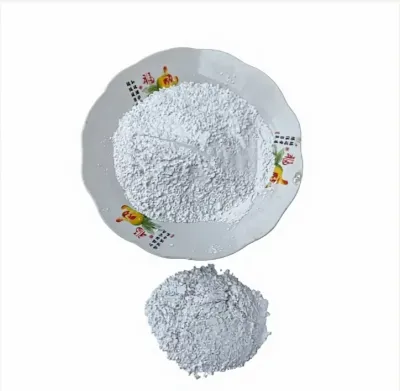
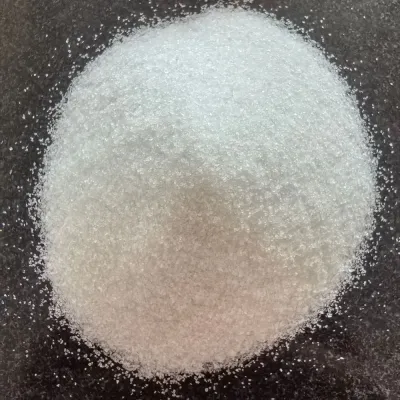
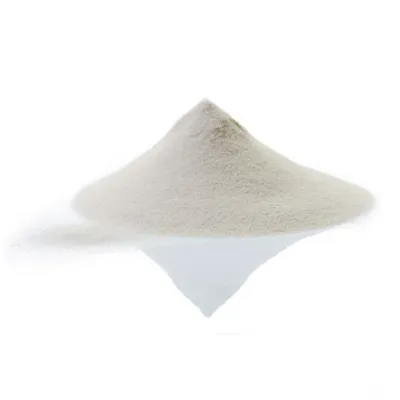
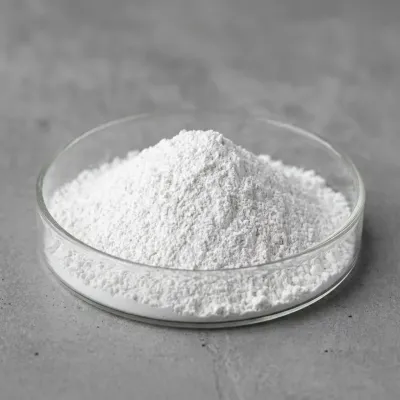
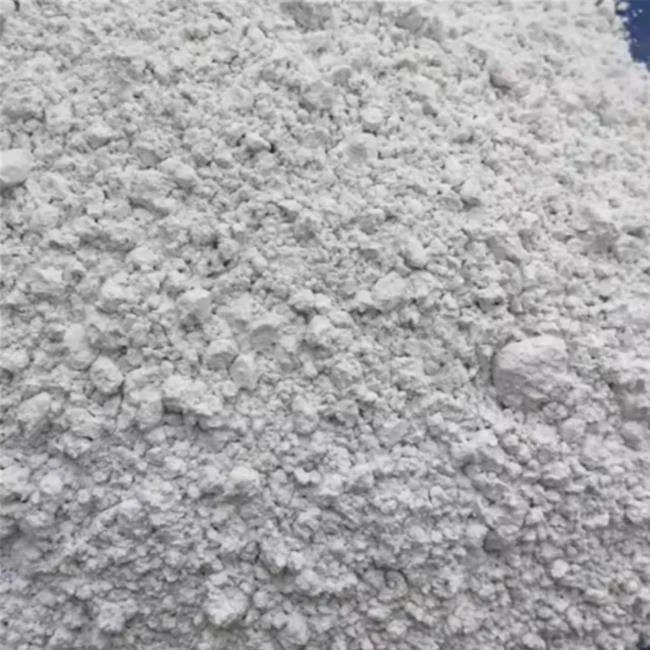
ColorWhitePhysical formPowder
-
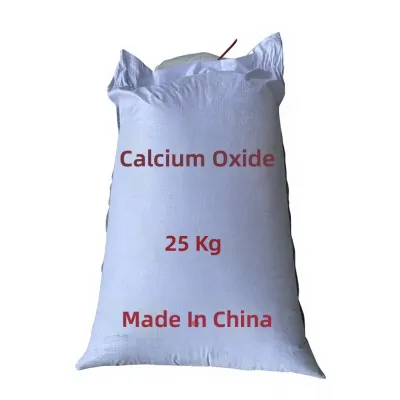
CAS No.1305-78-8Purity90%-93%
-
Appearancewhite powderApplicationAquaculture in Water Treatment Plants
-
ClassificationCalcium OxideEINECS No.215-138-9
-
Grade StandardIndustrial GradeMolecular FormulaCaO
-
Other NamesQuicklime
An aquaculture water-treatment enquiry should begin with a confirmed material specification. This calcium oxide, also named quicklime, has a stated 90%-93% purity range. It can be discussed as a candidate for technical qualification, with the supplied physical form and intended application requirements agreed before acceptance.
Confirm the form of the proposed quicklime supply
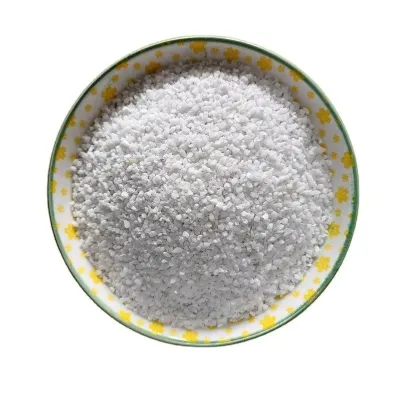
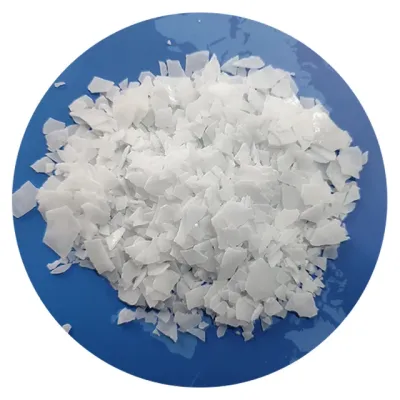
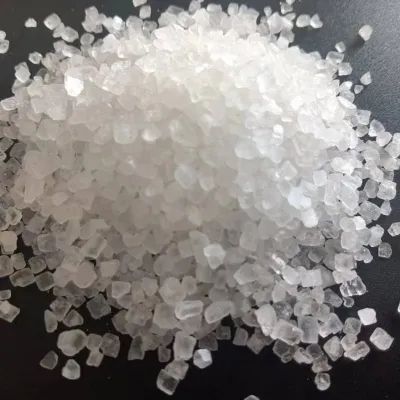
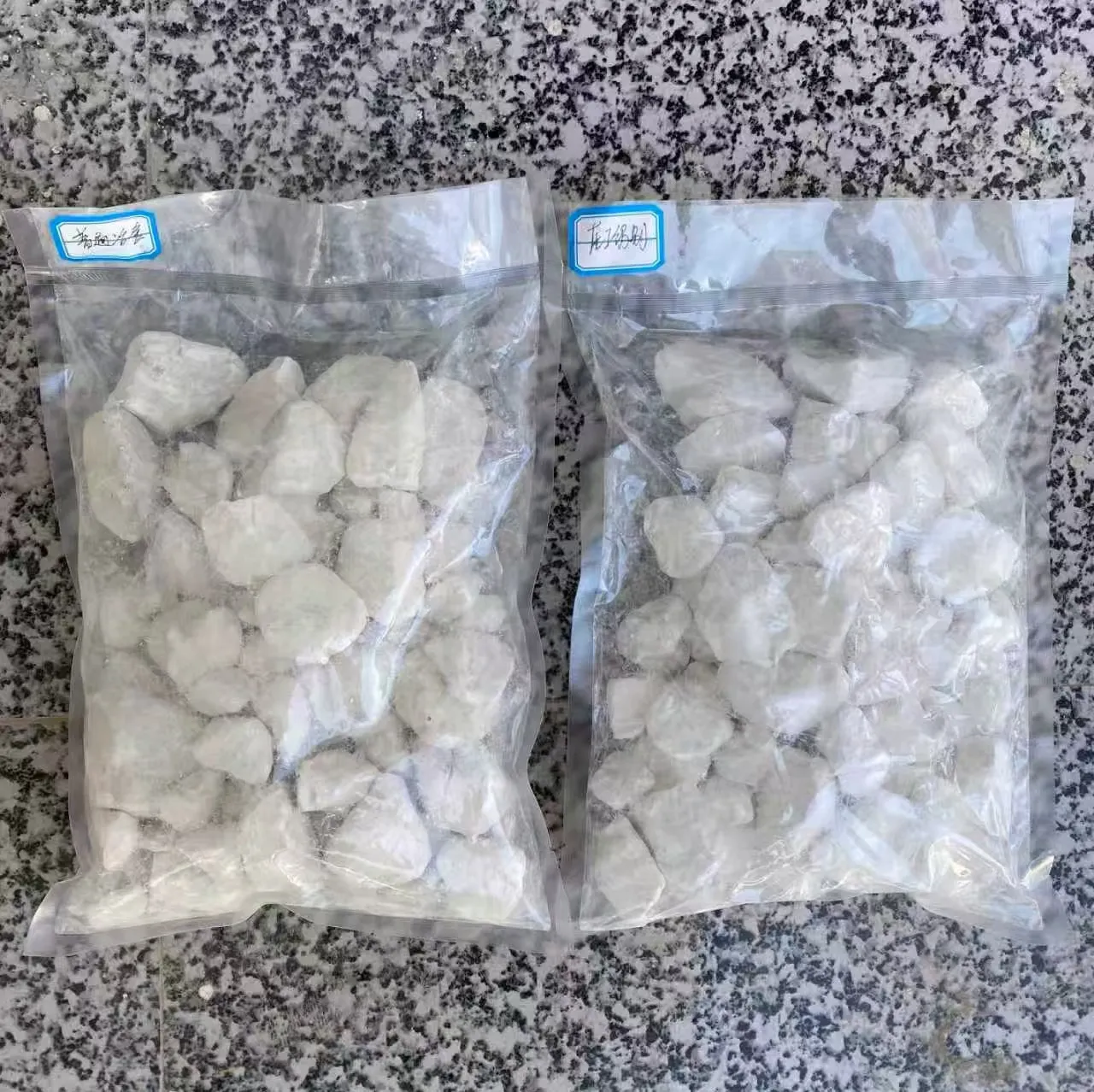
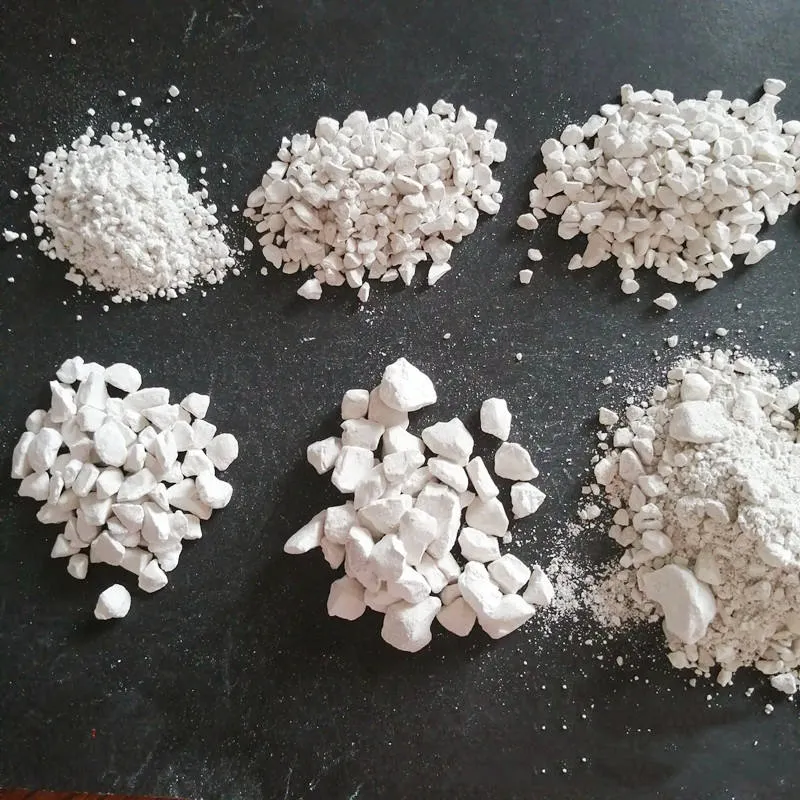
Ask for the physical-form specification and a representative sample before comparing the grade. Form is a practical purchasing dimension and should be established directly. Do not assume that a calcium oxide name alone identifies the exact material format required by the project.
Read the 90%-93% assay separately from an activity result
Request the batch analysis and the test basis for the stated purity. Any activity description also needs its own method and evidence. Chemical assay does not establish a measured activity value, and neither measurement by itself demonstrates an aquaculture treatment result.
Keep the pond enquiry tied to qualified application review
Aquaculture water treatment and pond-disinfection qualification are intended enquiry contexts. The buyer should identify the actual project and the technical evidence needed for acceptance. No species suitability, disinfection efficacy, treatment dose or operating procedure follows from the purity range or product name.
The supplied identity is calcium oxide, CaO, CAS 1305-78-8. Keep that information attached to the confirmed supply form, batch documents and application review. A useful next discussion brings those items together so that the relevant technical reviewers can decide whether a controlled sample assessment is appropriate for the project.