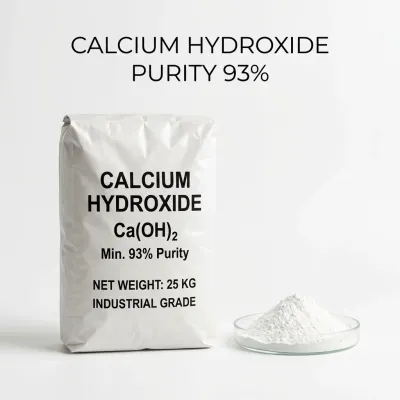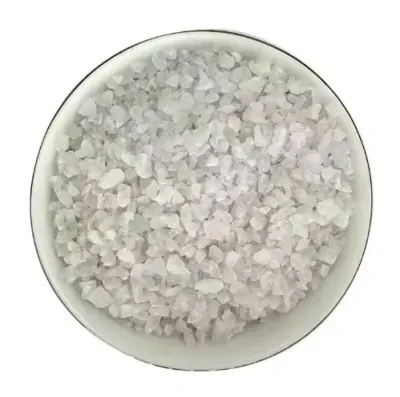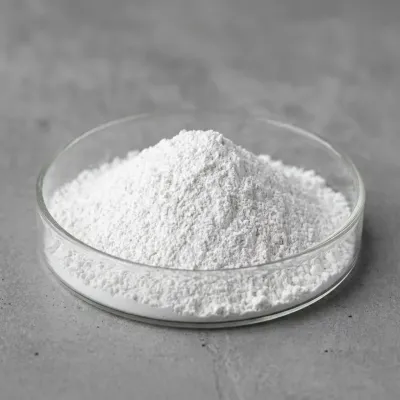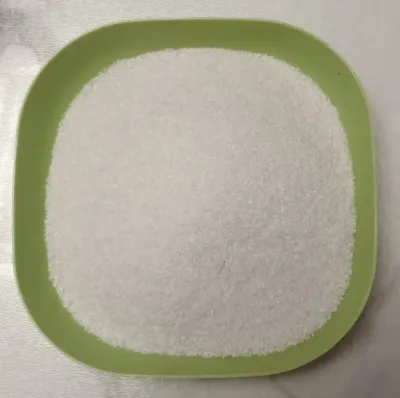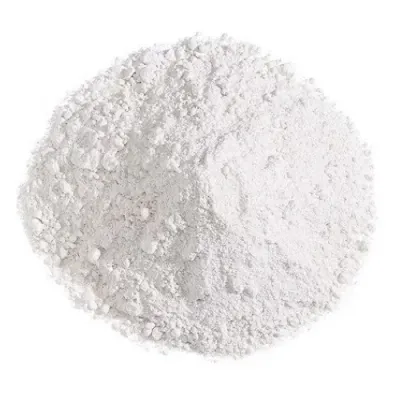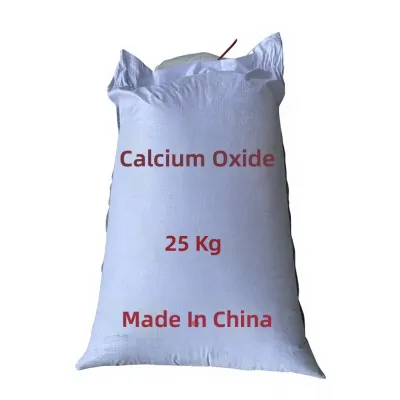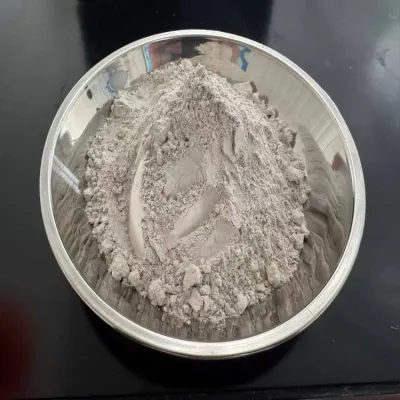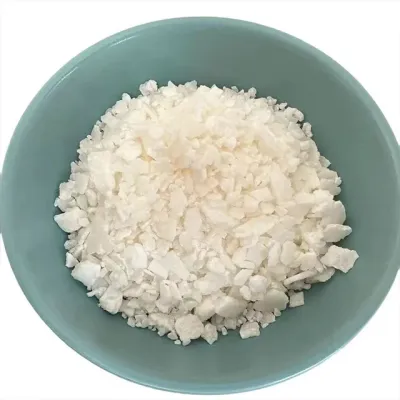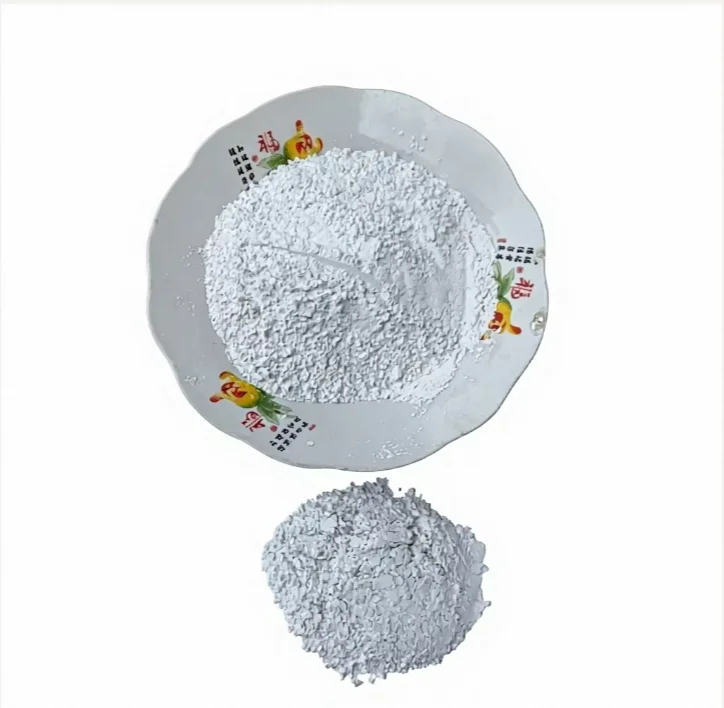

Calcium Oxide CaO Quicklime Powder 93%-95%, 325-1250 Mesh Designation for Industrial and Water Treatment Assessment
-
Particle-size designationMesh designationColorWhite
-
Physical formPowder
-
CAS No.1305-78-8Purity93%-95%
-
AppearanceWhite powderApplicationChemical synthesis, waste treatment, etc.
-
ClassificationCalcium OxideEINECS No.215-138-9
-
Grade StandardIndustrial GradeMolecular FormulaCaO
Which fineness is needed for the proposed industrial process? This white calcium oxide quicklime powder has stated purity 93%-95% and a 325-1250 Mesh designation, with chemical synthesis and treatment applications among the technical enquiry areas.
Resolve the offered fineness before a trial
Ask which actual grade can be supplied for the project and request particle measurements with their method. The mesh-range designation does not enumerate individual selectable models or establish an exact micron distribution.
Keep the sample reference on the particle report. A broad fineness name should not substitute for measured grading where the process requires a specific acceptance criterion.
Review chemistry and the intended process together
Request a current assay and technical sheet for the same sample, including the basis of the stated 93%-95% purity. Identify any additional composition or reactivity evidence that the responsible technical team needs.
- Chemical synthesis enquiry
- Define the actual process and the material acceptance tests.
- Waste or water treatment enquiry
- Characterize the treatment conditions and agree a representative evaluation.
These are separate qualification paths. Evidence for one process does not establish suitability, reaction performance or treatment efficiency in another.
Match the evidence to the final use
Review the safety data sheet and all relevant use requirements before deciding on the powder. A water treatment enquiry also needs its own qualification; the industrial description does not establish drinking-water suitability.
Bring the confirmed fineness, chemical analysis and process criteria into the sample review. Use the resulting evaluation to judge the offered material without assuming a universal operating instruction or treatment result.