
501 Hard-Plastic Grade Calcium Carbonate, Whiteness ≥95%, for PVC Pipes, Wire Tubes and Daily-Use Plastics
-
ColorWhitePhysical formPowder
-
CAS No.471-34-1Purity95%-99%
-
Appearancewhite powderApplicationPVC Pipes, Wire Tubes & Daily Necessities
-
ClassificationCarbonateEINECS No.207-439-9
-
Grade StandardIndustrial GradeMolecular FormulaCaco3
-
Other NamesNano-calciumTypeCalcium Carbonate
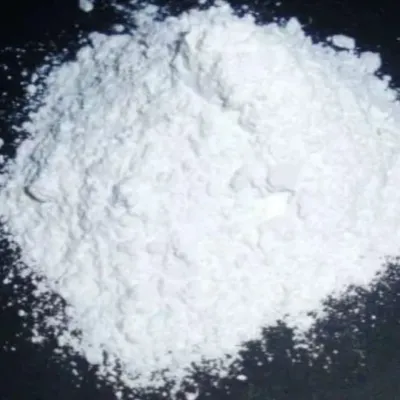
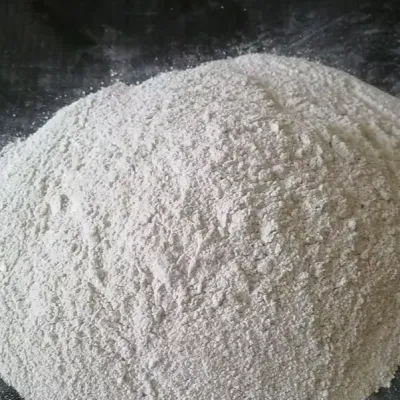
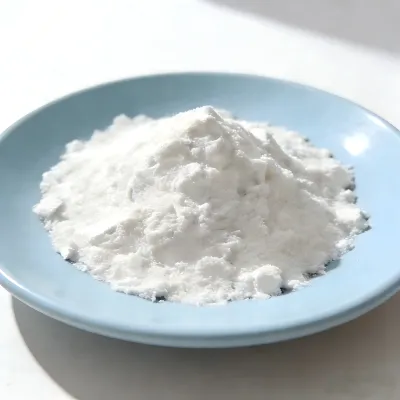
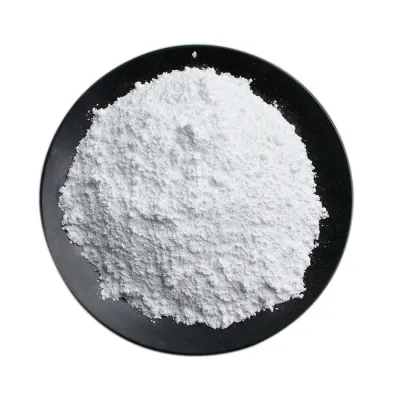
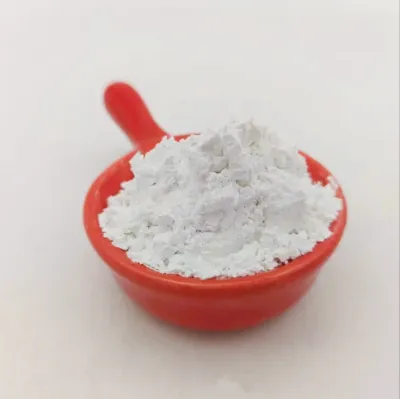
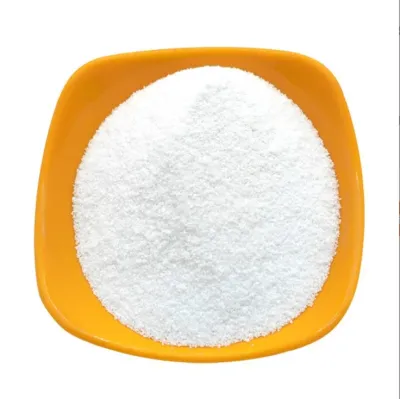
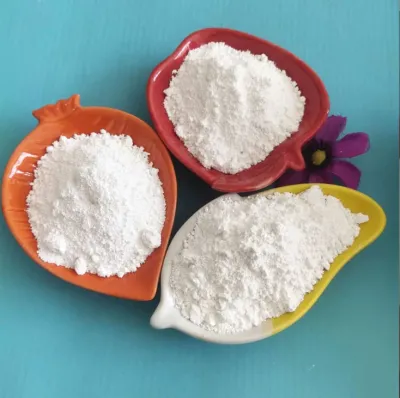
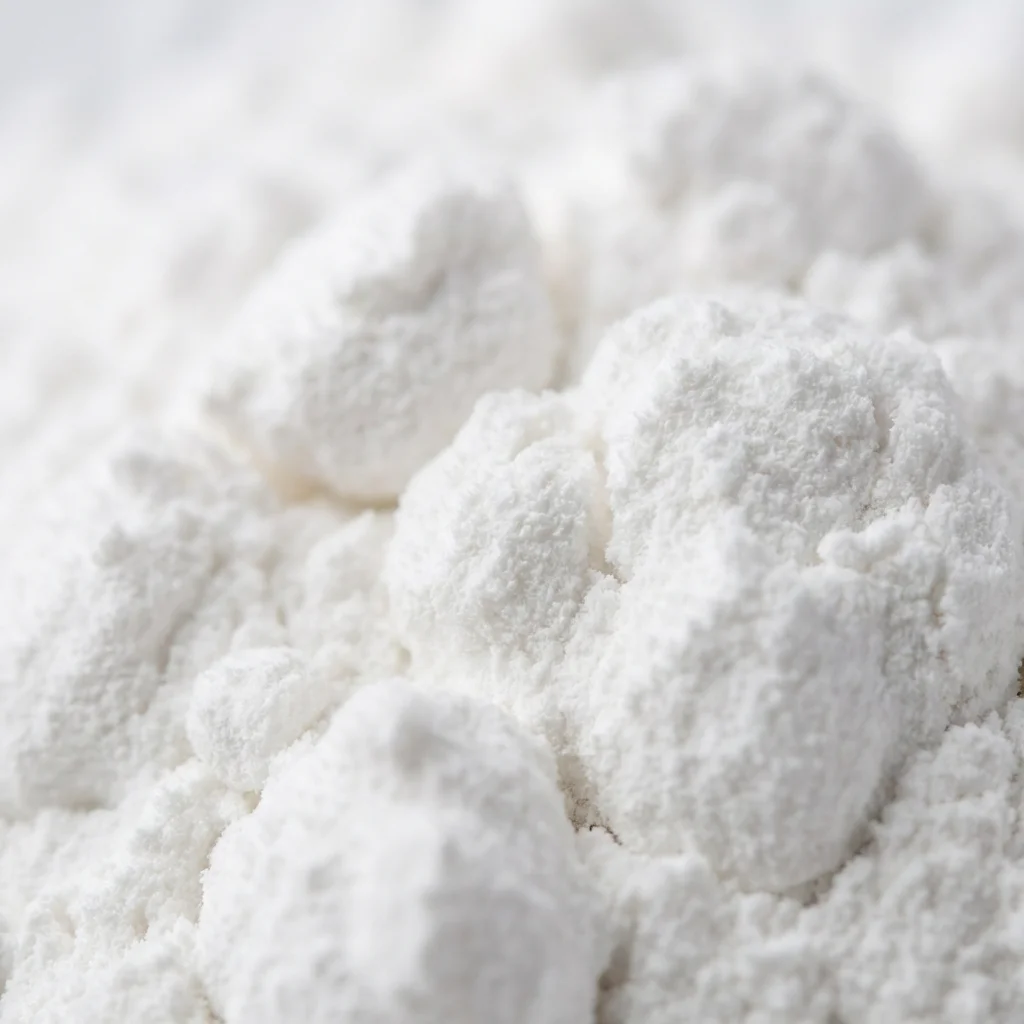
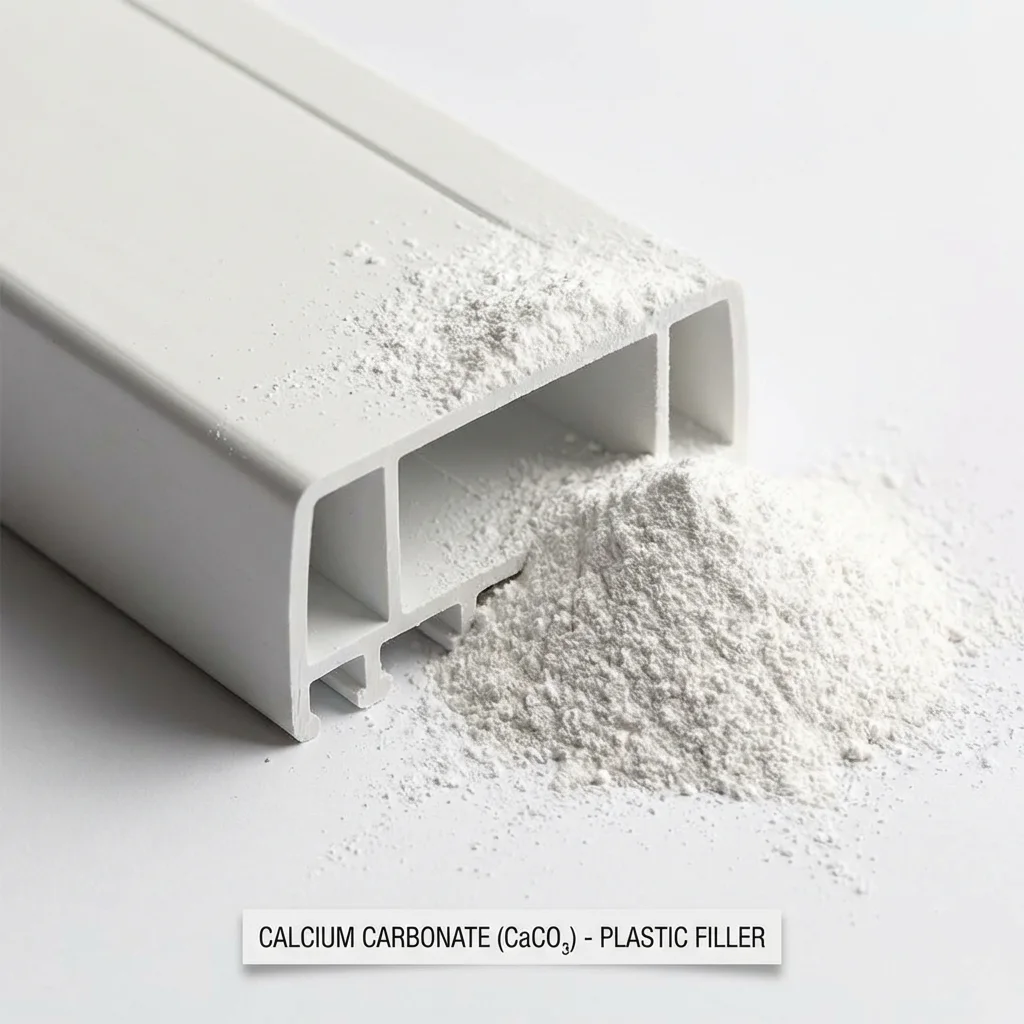
501 is the actual model choice for this hard-plastic-grade calcium carbonate enquiry. The industrial white powder has stated purity of 95%-99% and a whiteness designation ≥95%, with PVC pipes, wire tubes and daily-use plastics named as intended assessment areas.
Compare whiteness using a defined method
Keep the minimum sign with the ≥95% designation and request the report for the proposed grade. Ask which method and sample conditions support that result. Powder whiteness and finished-plastic colour are separate acceptance questions, so an optical minimum should remain linked to the material test rather than an article appearance guarantee.
Describe the pipe, tube or plastic formulation
Identify the resin system and the properties that the finished product must meet. Request particle-distribution and treatment information before choosing a representative compound evaluation. Neither the model number nor the hard-plastic designation establishes a loading ratio, mechanical result or application approval.
Keep the evidence at the right level
A powder report characterizes the filler being considered. A formulation trial evaluates that material within a defined resin and process, while any article qualification must address the actual end use.
Carry the 501 identity through the evaluation
Review matched technical and safety documentation and obtain a current assay for the proposed material. Record the sample identifier, optical method and compound conditions with the results. This makes a repeat enquiry more precise and helps identify whether a later comparison concerns the same grade, a different powder specification or a changed plastic-product requirement.