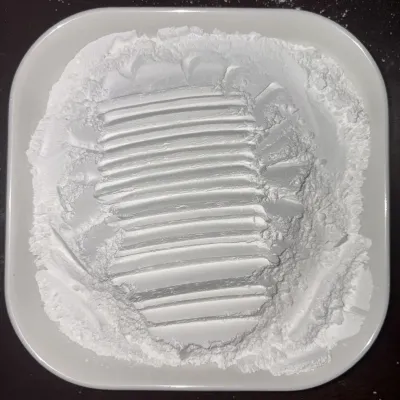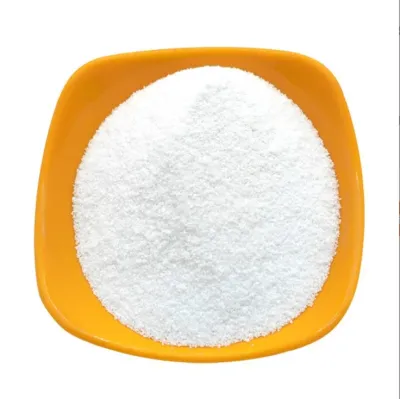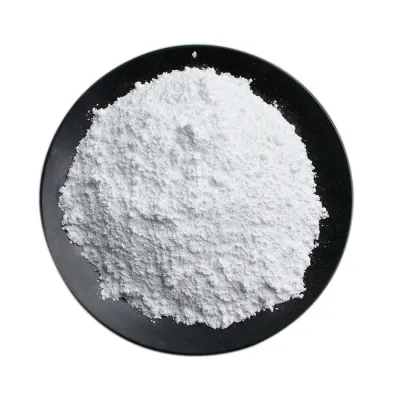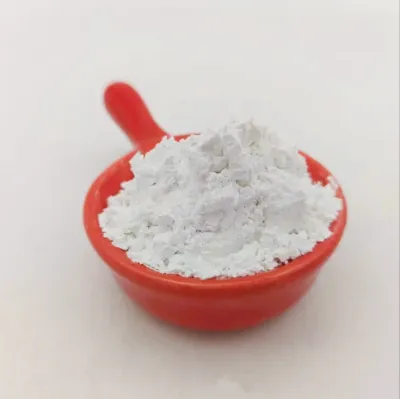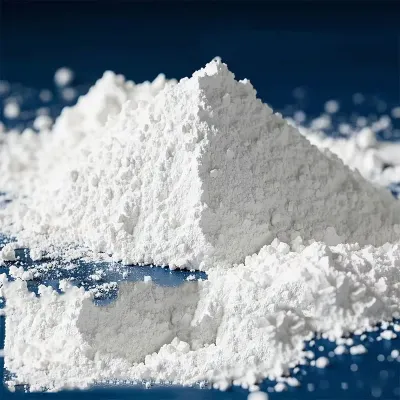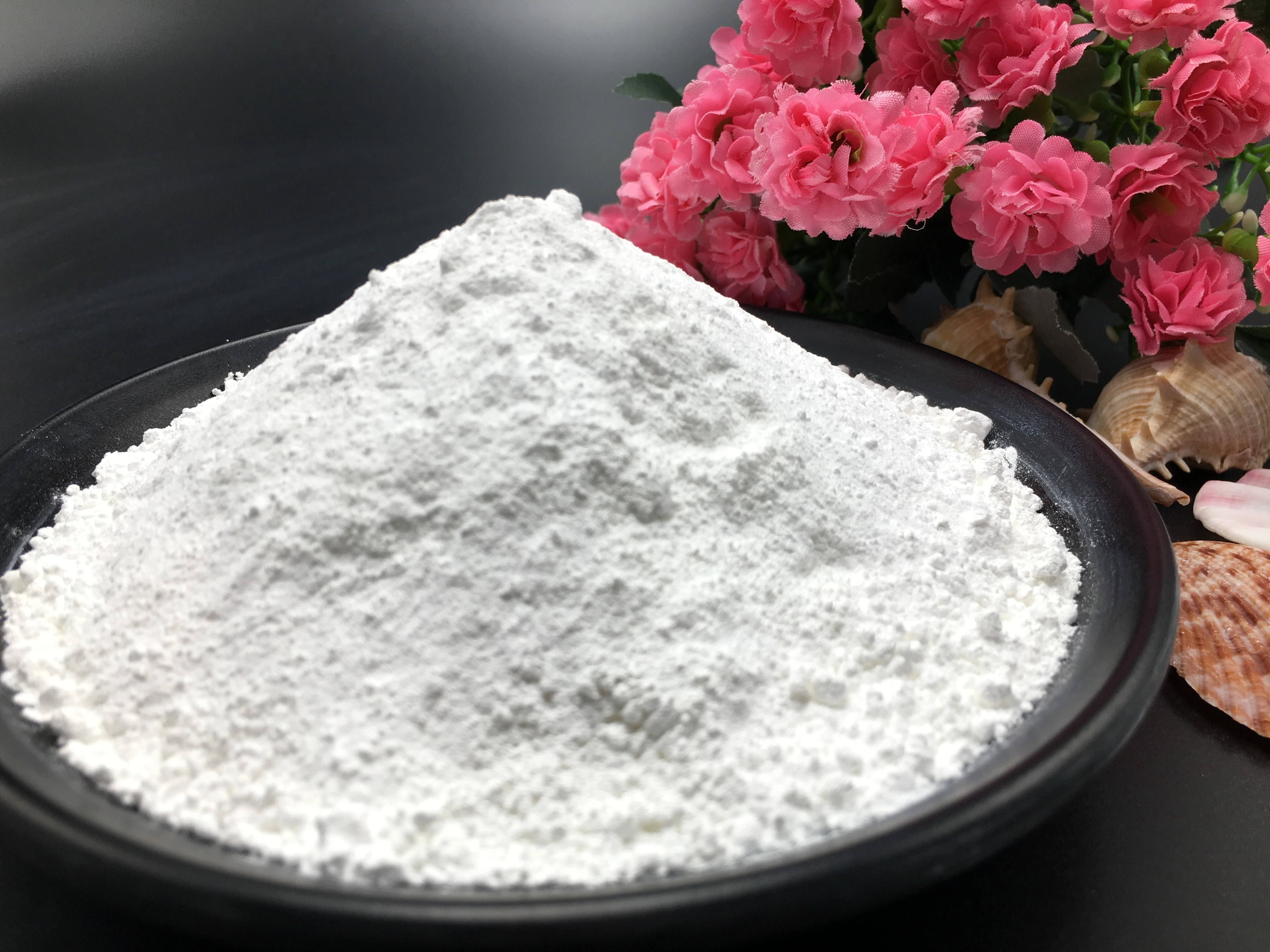
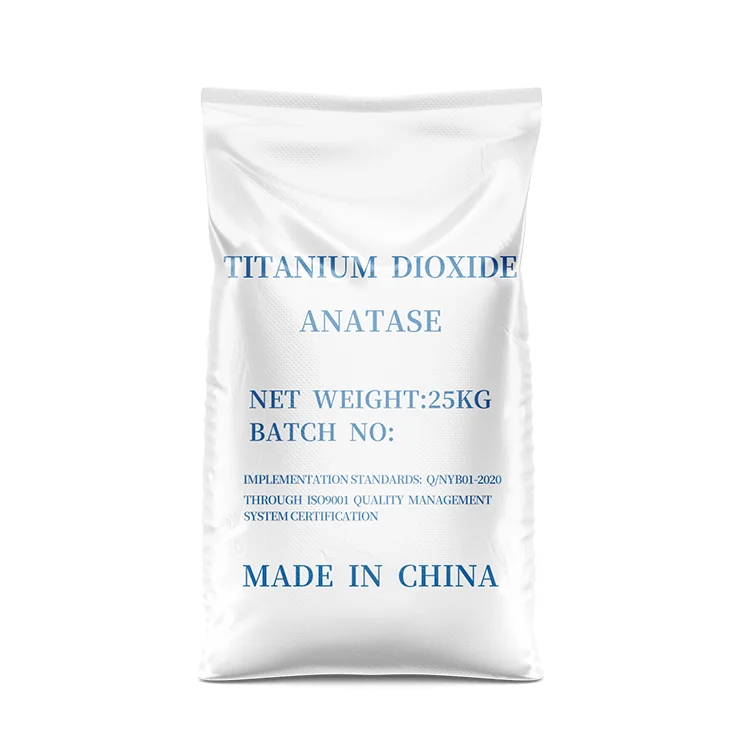
Anatase Titanium Dioxide XM-A111, 96–98.5% Industrial Powder for Paint, Plastic and Ink Trials
-
ColorWhitePhysical formPowder
-
CAS No.13462-67-7Purity96%~98.5%
-
Model NumberXM-A111Appearancewhite Powder
-
Applicationplastic coating paint printing inkClassificationTitanium Dioxide
-
Grade StandardIndustrial GradeMolecular FormulaTiO2
-
Other Namestio2CertificationISO9001
-
HS code3206111000Package25kg/bag
-
PH Value6.5-8.5TiO2 Content96~98.5%
-
Oil Absorption21~26Residue on sieve 45 μm %0.03~0.05
-
Matter volatile at 105°C %0.3~0.5Tinting strength %95~109
-
SampleFreely Provided
A repeat titanium dioxide purchase needs a clear grade specification and the documents that support it. XM-A111 is an industrial anatase white powder with 96–98.5% TiO2 content for paint, coating, plastic and printing-ink evaluation.
Define XM-A111 before the supply discussion
Use the anatase designation and model when requesting the current grade documents. A familiar chemical name does not establish the offered treatment, batch analysis or equivalence to the pigment already approved in a formulation.
Use current analysis for the material decision
The XM-A111 pH range is 6.5–8.5, with 0.03–0.05% residue on a 45μm sieve and 0.3–0.5% volatile matter at 105°C. Review those powder measurements with their methods, while keeping chemical content separate from a hiding-power or tinting conclusion.
- Confirm XM-A111 identity and the relevant technical specification.
- Request current analysis, treatment and optical-method documents.
- Evaluate a sample in the intended binder or polymer before material approval.
Match pigment approval to one formulation
Paint, plastic and printing ink need their own relevant dispersion and optical tests for XM-A111. A sample result can support that defined project, but it does not establish a supply commitment or a cost advantage across every application.
Bring the actual formulation requirements into the XM-A111 enquiry and agree current commercial terms separately. Keep the XM-A111 model reference attached to the agreed analysis and trial requirements. That creates a documented route from an anatase grade comparison to an informed purchasing decision.