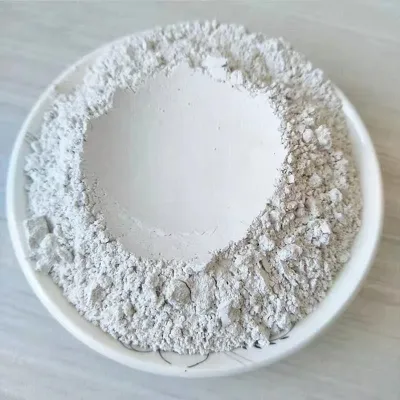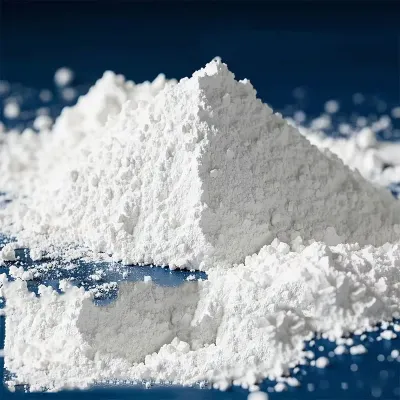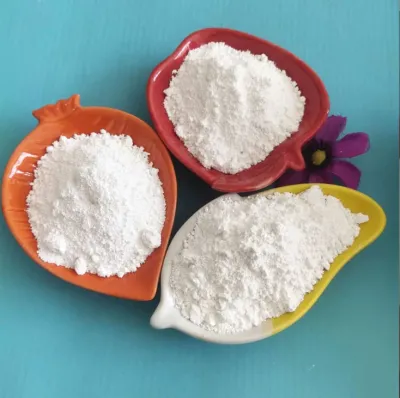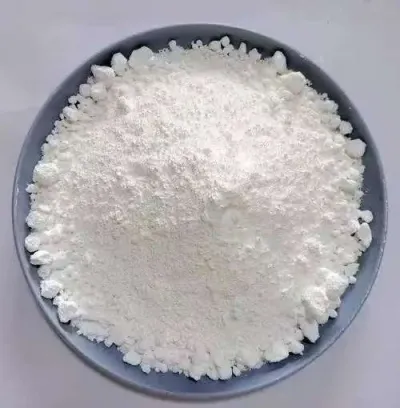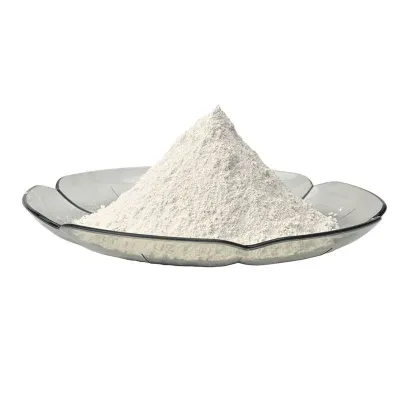
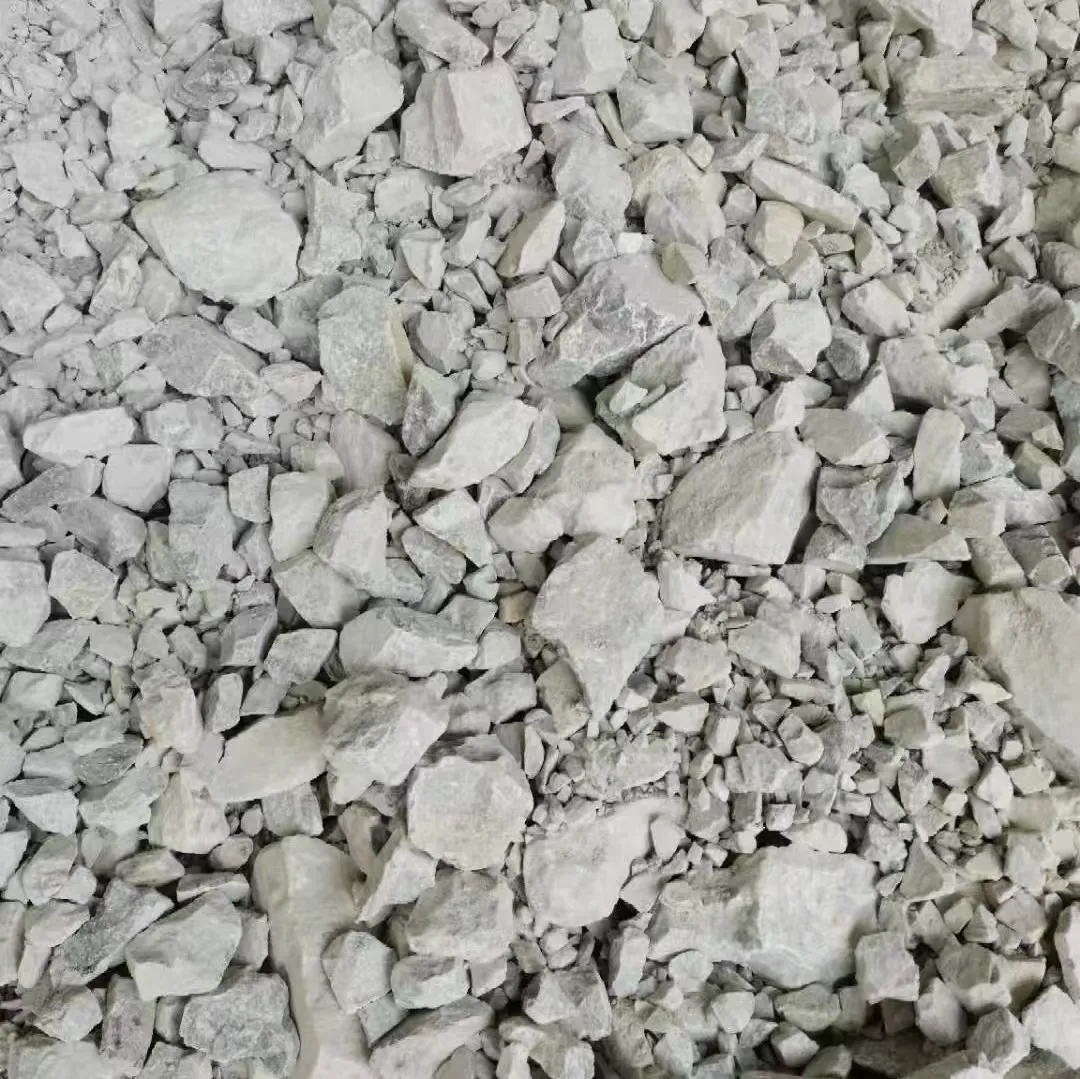
Barium Sulfate BaSO4 85% Powder for Water-Based Coating and Ink Matting Evaluation
-
ColorWhitePhysical formPowder
-
CAS No.7727-43-7Purity85%
-
Appearancewhite powderApplicationfor Water-based Coatings & Inks
-
ClassificationSulphateEINECS No.231-784-4
-
Grade StandardIndustrial GradeMolecular FormulaBaSO4
-
Other Namesbarium sulfateTypeBarium Sulfate
Matting and transparency should be defined as formulation targets before a water-based filler is compared. This industrial barium sulfate is a white BaSO4 powder with a stated 85% purity. It is offered for water-based coating and ink enquiries, where the finished system determines the relevant appearance tests.
Set the optical target for the water-based system
Describe the intended binder and the surface appearance the project needs to evaluate. A matting enquiry and a transparency enquiry may require different acceptance observations. The powder's chemical identity does not establish either result in every coating or ink formulation.
Ask for the physical evidence beside the 85% assay
Request batch analysis and the actual grade's particle distribution before choosing a sample. The assay is a chemical comparison point, not a gloss or dispersion measurement. Agree on relevant grade documents so that the proposed powder can be compared with another candidate on a defined basis.
Let the coating or ink trial decide the flatting result
Use a controlled formulation assessment to review the required surface and optical criteria. The meaningful question is whether the sample meets those targets in the buyer's system. High-efficiency matting, excellent transparency or consistent dispersion should not be assumed without the corresponding test evidence.
The supplied identifier is CAS 7727-43-7 and the formula is BaSO4. Keep that identity, the industrial white-powder form and the proposed assay attached to the sample enquiry. A useful technical package combines those material facts with the binder context and the agreed tests, leaving the finished-film decision to the formulation results.