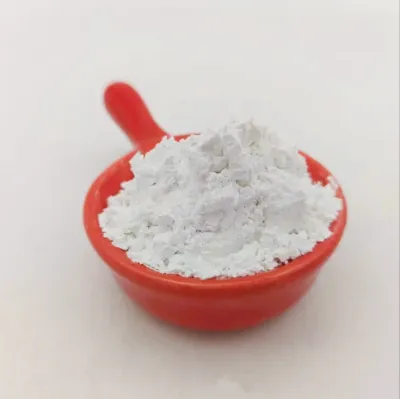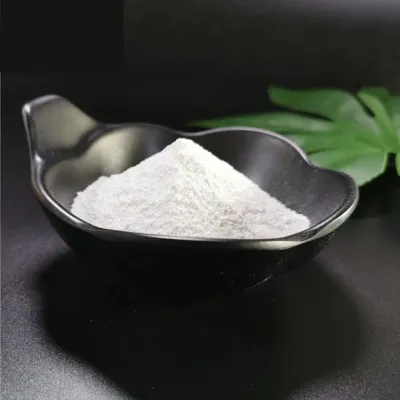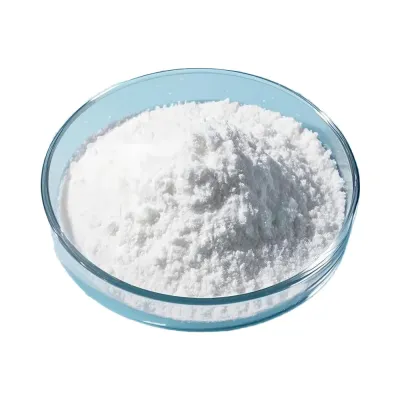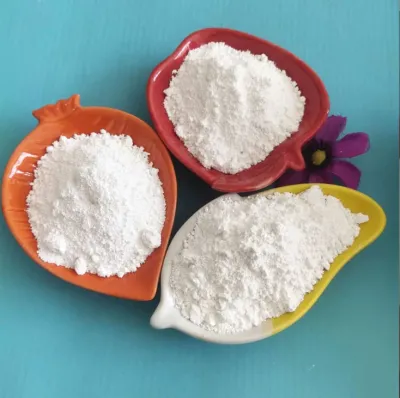
Heavy Calcium Carbonate 98.2% CaCO3 Powder for Plastic, Rubber, Paint, Coatings and Paper — Industrial PL-300
-
Particle-size designationAverage size specifiedColorWhite
-
Physical formPowder
-
CAS No.471-34-1Purity98.2%
-
AppearanceWhite PowderApplicationPlastic Filler, Rubber Filler, Paint Additive, Coating Additive, Paper Making, Construction Materials
-
ClassificationCarbonateEINECS No.207-439-9
-
Grade StandardIndustrial GradeMolecular FormulaCaCO3
-
Other NamesHeavy Calcium CarbonateTypeCalcium Carbonate
-
Model NumberPL-300Product namecalcium carbonate price per ton
-
ColorPure WhiteGradeIndustrial Grade Food Grade
-
CertificateISOUsagePaint
-
D9714.8Average particle size5.5
-
Whiteness96ph8.5+-1
-
Loss on ignition43.5
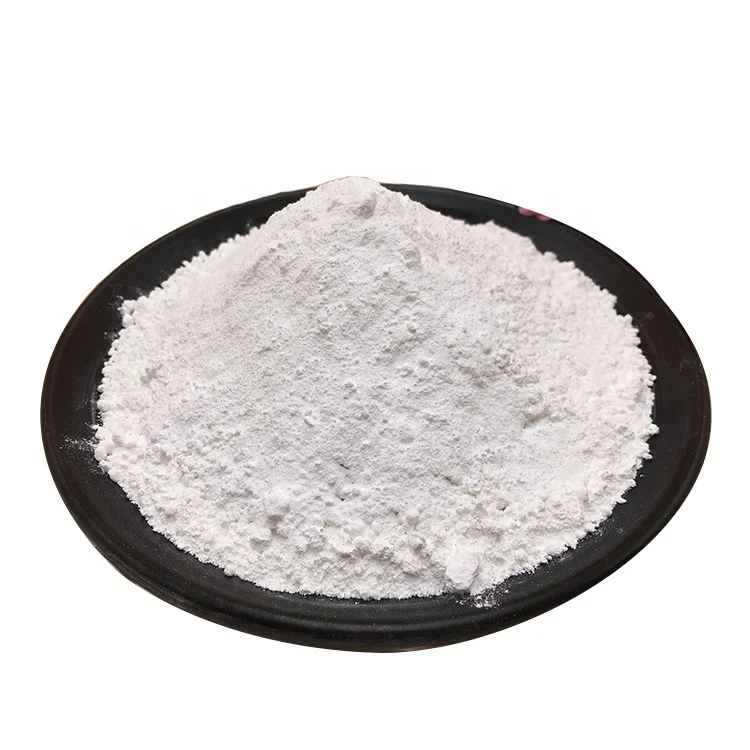
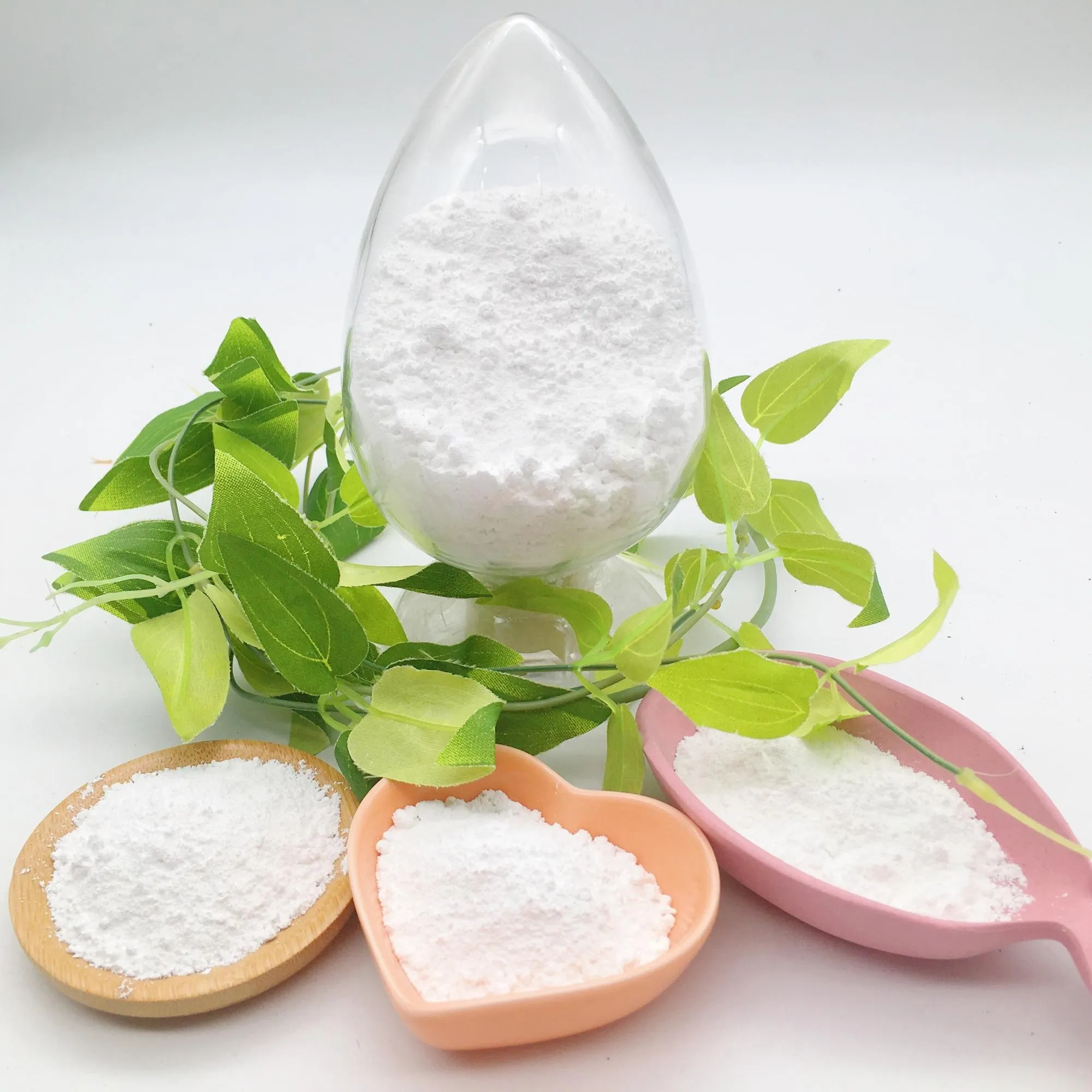
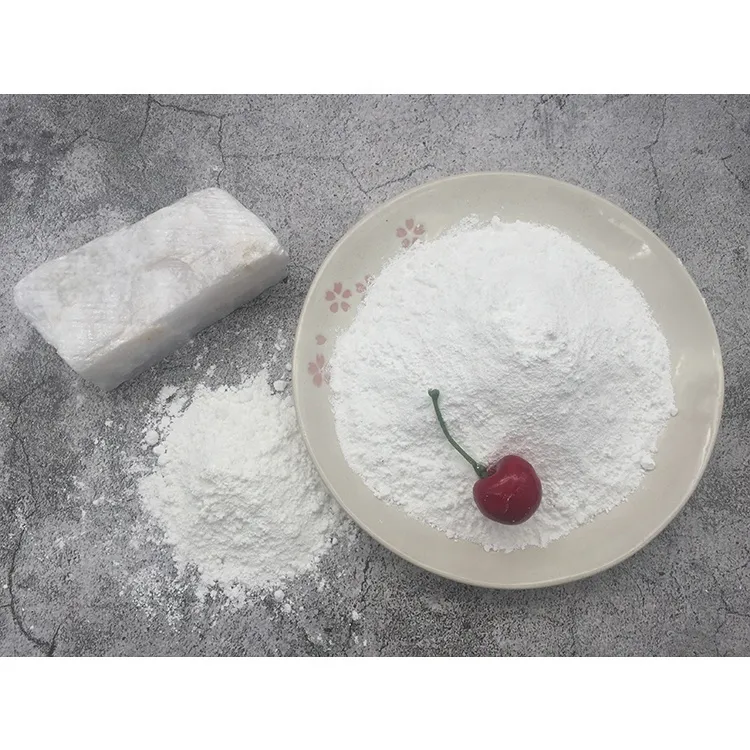
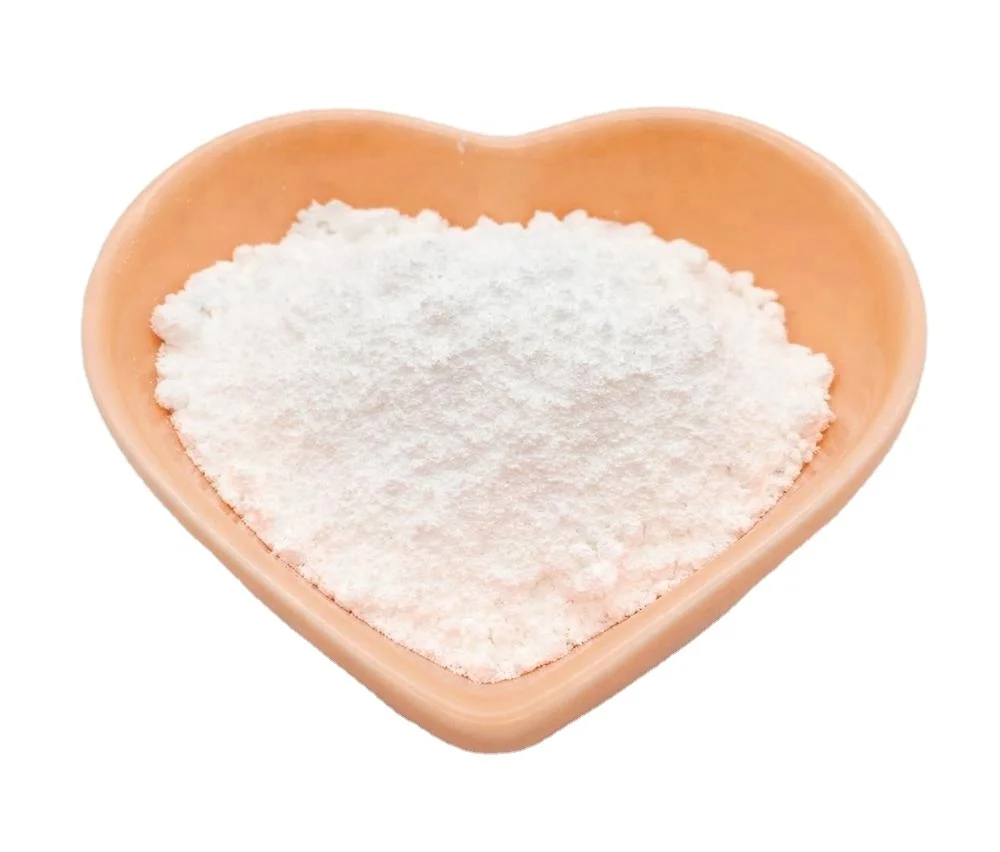
A plastic compound, a rubber blend and a paper furnish do not ask the same questions of a mineral filler. PL-300 heavy calcium carbonate gives these industrial evaluations a common chemical starting point: white CaCO3 powder with 98.2% purity, followed by application-specific checks rather than a single universal performance claim.
Where PL-300 enters the formulation
Plastic and rubber fillers are supported directions for this heavy calcium carbonate, alongside paint and coating additives. Paper making and construction materials provide further industrial contexts, but each receiving matrix should define its own acceptable fineness, dispersion and finished-product criteria.
Separate assay from particle qualification
The 98.2% purity identifies the chemical assay to discuss when requesting PL-300. It does not replace a particle distribution, so ask for the size units, measurement method and surface-treatment status before comparing this powder with an existing filler.
A useful question for the technical exchange
Which distribution limits and treatment conditions does your polymer or coating actually require? Framing the PL-300 inquiry around that question keeps the comparison tied to the formulation, rather than relying on a white appearance alone.
Keep industrial and regulated decisions distinct
PL-300 has an industrial-grade designation and a pH value of 8.5±1. Neither property establishes food suitability or a certification scope, so regulated applications need their own applicable documents and analysis before acceptance.
For a paper, paint or polymer project, identify PL-300 by name and set the trial around the intended matrix. That gives the heavy calcium carbonate comparison a practical endpoint: a material specification supported by the tests your finished product needs.