Heavy Calcium Carbonate CaCO3 96% Superfine Powder, 600–3000 Mesh, for Paper and Building-Material Assessment
-
Particle-size designationMesh designationColorWhite
-
Physical formPowder
-
CAS No.471-34-1Purity96%
-
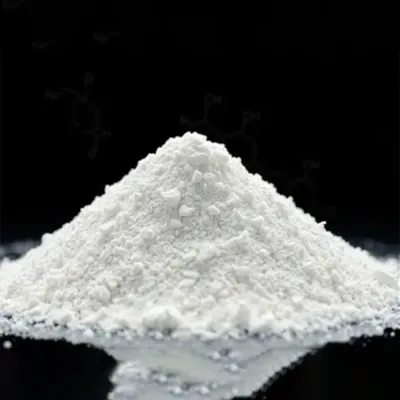
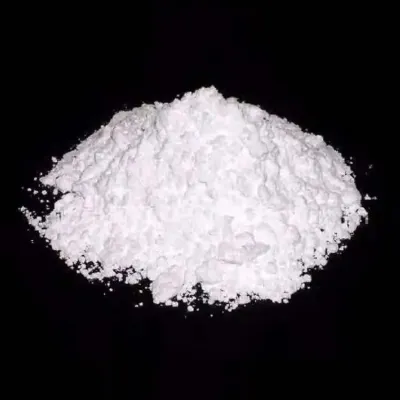
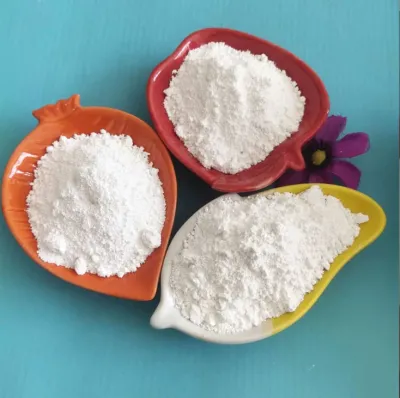
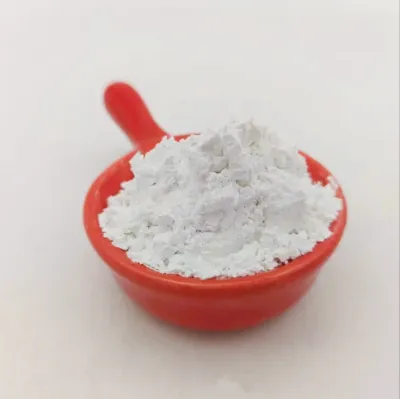
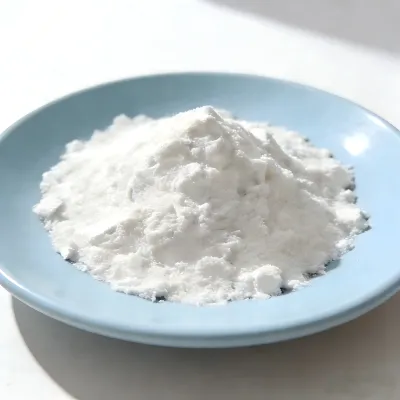
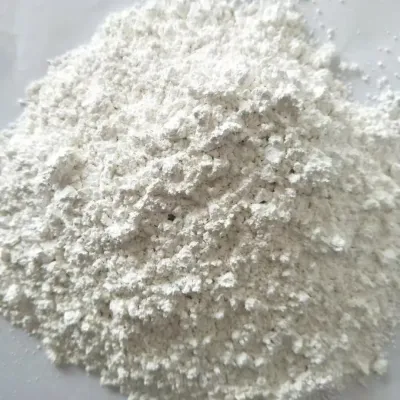
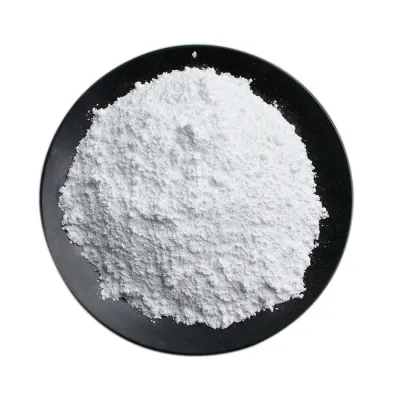
Appearancewhite superfine powerApplicationPaint, Plastic, Rubber, Paper Making, Building
-
ClassificationCarbonateEINECS No.207-439-9
-
Grade StandardIndustrial GradeMolecular FormulaCaCO3
-
Other NamesActivated Calcium CarbonateTypeCalcium Carbonate
Paper and building-material enquiries should explain the role the calcium carbonate is expected to perform. This industrial heavy CaCO3 is described as white superfine powder with purity 96%, and its activated designation needs clarification for the actual offered material.
Which mesh model will the project assess?
The actual labels are 600, 800, 1250, 1500, 2500, 2800 and 3000 Mesh. Identify the chosen model and request its measured particle distribution, rather than interpreting the mesh name as a D50, D97 or formulation result.
Which analytical and optical results decide acceptance?
Specify the chemical limits, particle properties and optical measurements required by the intended role. Obtain current assay and relevant impurities with method-defined optical data where needed; white appearance does not supply a measured whiteness value.
Report focus: the analytical and physical records should identify the same mesh model and sample that will be evaluated in the project.
What evidence explains the actual treatment and application?
Ask whether surface treatment is present and request its documentation if applicable. An activated name does not demonstrate a coating chemistry or a finished-material benefit, so judge the sample through relevant application tests against the actual criteria.
Paint, plastics and rubber are also listed use directions and need their own qualification. Review current safety information and retain the chosen model, treatment clarification and material-test observations together, allowing the intended paper or building role to determine the relevant evidence and acceptance decision.