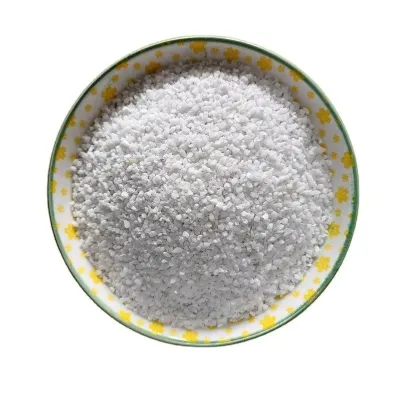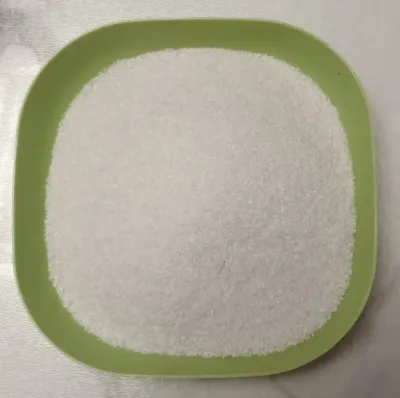
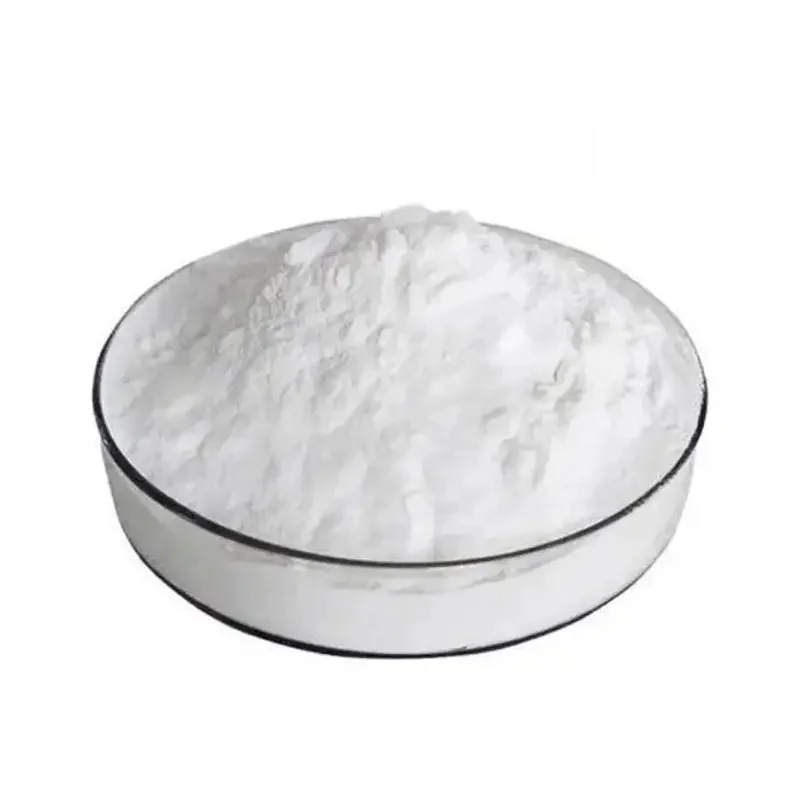
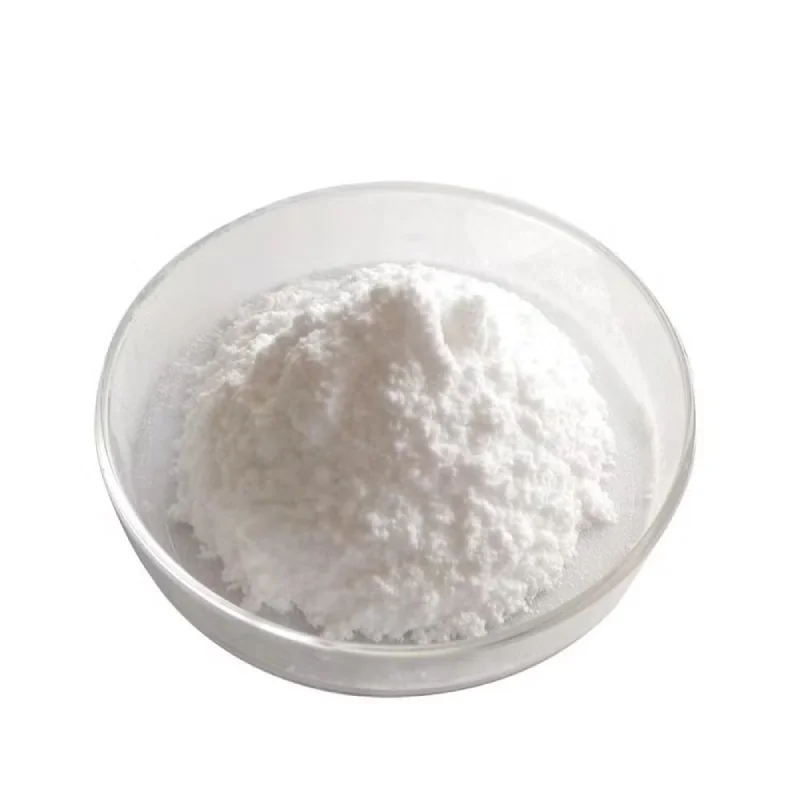
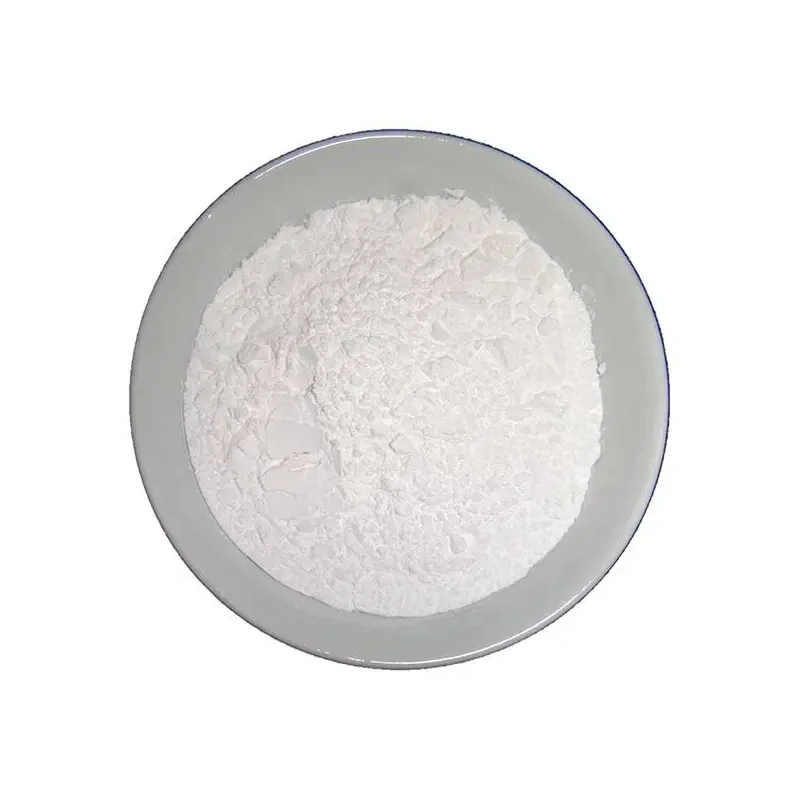
Industrial Barium Carbonate BaCO3 White Powder, 99% Minimum, for Ceramic and Glass Manufacturing
-
Particle-size designationMesh designationColorWhite
-
Physical formPowder
-
CAS No.513-77-9Purity99.0%
-
AppearanceWhite PowderApplicationCeramics, Glass, Ferrite, Electronic Industry, Ceramics, Glass, Ferrite, Electronic Industry, Enamel
-
ClassificationCarbonateEINECS No.208-167-3
-
Grade StandardIndustrial GradeMolecular FormulaBaCO3
-
Other NamesCarbonic Acid Barium SaltTypeBarium Carbonate
-
Product NameBarium CarbonateDensity4.43 g/cm³
-
Melting Point811°C (Decomposes)SolubilityInsoluble in Water
-
Particle Size325 MeshStorageCool, Dry and Well-Ventilated Place
-
Shelf Life24 MonthsPackaging25kg PP Woven Bag / 1000kg Jumbo Bag
-
SampleAvailable
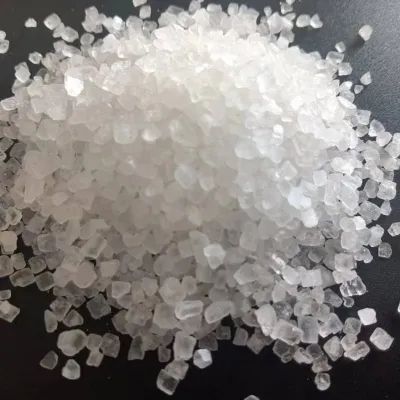
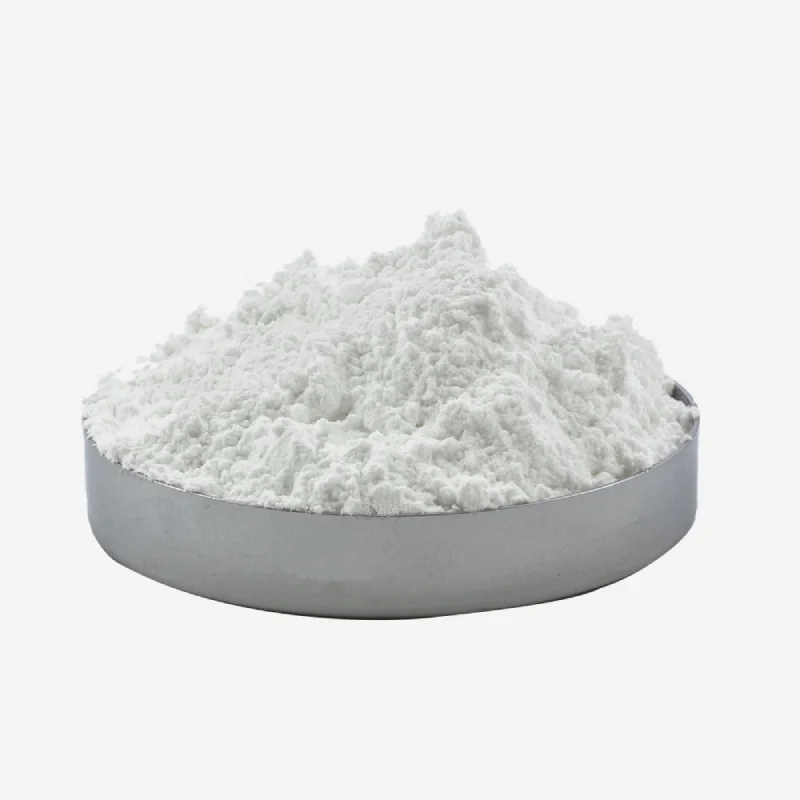
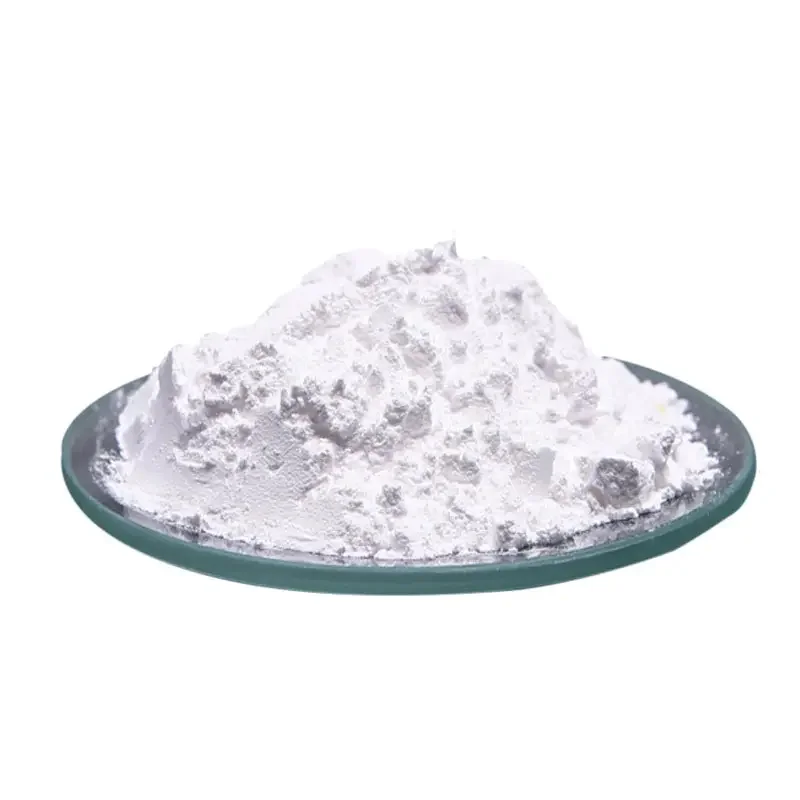
Ceramic and glass buyers can start from the same carbonate profile while asking different acceptance questions. This industrial white BaCO3 powder has a declared 99% minimum purity, a 325-mesh designation and density of 4.43g/cm³ for an initial material comparison.
Build the ceramic material acceptance brief
Describe the intended ceramic system and its required chemical limits before choosing the grade. Request the current assay and individual impurity results, then identify the actual process measurements that will determine whether the offered powder is acceptable.
Write the glass requirements independently
State the glass project’s impurity and powder requirements instead of assuming that ceramic acceptance transfers automatically. Confirm the mesh standard and obtain a full measured particle distribution, because the 325-mesh designation alone does not define a particle percentile or finished-glass result.
- Evidence shared by both enquiries
- Current chemical analysis and method-defined powder reports.
- Evidence specific to each enquiry
- The intended process and its actual qualification measurements.
Confirm the material package before the sample trial
Samples are available, with current terms and supporting documents to be confirmed. Request defined thermal data and applicable storage and shelf-life conditions, then agree how the material will be assessed in the selected ceramic or glass process.
Water insolubility is a stated property of the powder, while ferrite, electronic-material and enamel directions also require their own qualification. An enquiry that separates grade evidence from process acceptance provides a clearer basis for comparison than a general purity claim or an assumed manufacturing benefit.